

Maddy summaryThe Artificial Intelligence and Innovation Talent Act requires the Secretary of Homeland Security, in coordination with other federal officials, to develop a comprehensive strategy within 180 days to align immigration policies with national goals for attracting and retaining high-skilled talent in artificial intelligence and emerging technologies. The strategy must assess how current laws impact U.S. competitiveness, evaluate options for retaining foreign nationals trained in the United States, and identify specific high-priority occupations where domestic talent may be insufficient. Additionally, the plan must outline measures to protect national security through risk-based vetting and provide recommendations for administrative changes, such as revising the H-1B visa selection process, as well as potential legislative actions like creating a new visa class for entrepreneurs in critical sectors.
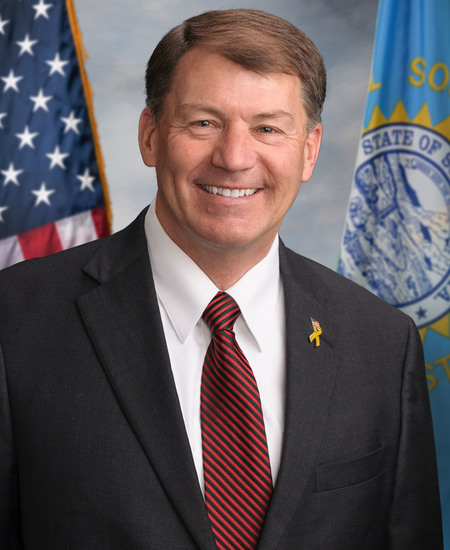
Sen. Mike Rounds
Sponsored bills
Maddy summaryThe RANCH Act establishes a program for the Secretary of Agriculture to enroll cropland that has been planted in at least four of the last six years, requiring its conversion to perennial grass and forb cover to support grazing. Landowners who enter into contracts lasting 10 to 15 years receive annual rental payments equal to 75 percent of the local average dryland cash rental rate, along with cost-sharing assistance for establishing vegetation. To participate, landowners must develop a site-specific grazing management plan within two years and are permitted to graze livestock, manage fire risks, and conduct emergency haying during declared droughts or natural disasters. The program prioritizes beginning farmers, wildlife habitat conservation, and highly erodible land, with a total enrollment cap of 20 million acres and an individual annual payment limit of $155,000.
Maddy summaryThe Military Chaplains Modernization Act of 2026 establishes uniform legal protections for chaplains across the Army, Navy, and Air Force to ensure they can perform their religious duties without interference or retaliation. The bill explicitly prohibits military members from assigning chaplains tasks that conflict with their sincerely held religious beliefs or the tenets of their endorsing organizations, making such violations subject to prosecution under the Uniform Code of Military Justice. It also creates new leadership positions, including Deputy Chiefs of Chaplains for each service branch, who will hold general officer ranks and serve as principal advisors on religious support matters. Additionally, the legislation requires commanding officers to provide necessary facilities and transportation to assist chaplains in carrying out their spiritual care responsibilities.
Maddy summaryThis bill amends the Indian Health Care Improvement Act to establish a 15-day notification deadline for Native Americans who receive emergency medical care from non-Indian Health Service providers or facilities. It directly affects Indigenous individuals seeking emergency treatment outside of IHS facilities by requiring them to notify the Service within 15 days to qualify for payment. The key provision replaces the previous time limitation with a standardized 15-day window for submitting claims. This change simplifies the reimbursement process for emergency care received under existing authority. The bill does not alter eligibility for care but streamlines the administrative requirement for claims processing.
Maddy summaryThe REACH Our Tribes Act requires the Department of Agriculture to establish a formal process for consulting with Tribal Governments on annual budget requests and major program reauthorizations, ensuring that notice is provided at least 30 days in advance. The bill mandates that the Department of Agriculture publicly report on funding available to Tribal entities and identify ways to improve assistance for underutilized programs. Additionally, it directs the creation of an interagency task force involving the Departments of Agriculture, Housing and Urban Development, and Commerce to reduce administrative burdens for applicants of economic development programs. Finally, the legislation requires the Department of Commerce to develop a comprehensive, publicly accessible repository of Federal economic development programs available to Tribal entities to improve awareness and utilization.
Maddy summaryThis bill requires the Under Secretary of Defense for Policy and the Chairman of the Joint Chiefs of Staff to create a strategy for improving cyber cooperation with allies and partners in the Indo-Pacific region. The document must outline current and future needs for defensive and offensive cyber operations, information sharing, and workforce development through 2040, while also assessing existing agreements and capability gaps among partner nations. Additionally, the law mandates a funding plan and a progress report to Congress by March 2028 to track the implementation of these efforts.
Maddy summaryThis resolution designates August 1, 2026, as Gold Star Children's Day to honor the sacrifices and hardships faced by children of fallen members of the U.S. Armed Forces. The bill does not create new laws or change government operations; instead, it serves as a formal expression of gratitude from the Senate and encourages the public to observe this day in support of these families. By establishing this specific date, the measure aims to raise awareness about the legacy carried by children who lost a parent in military service.
Maddy summaryThis resolution designates the week of August 2 through August 8, 2026, as "National Farmers Market Week" to honor the importance of local food markets. It serves as a symbolic gesture to recognize how these markets support farmers' livelihoods, strengthen local economies, and connect urban and rural communities. The bill does not create new laws or funding but instead formally acknowledges the role farmers markets play in promoting sustainable farming and public health.
Maddy summaryThe National Quantum Readiness Act of 2026 directs federal agencies to advance quantum technology development and secure domestic supply chains. It requires the Department of Defense to select three next-generation quantum sensor projects for deployment by 2028. Additionally, multiple agencies must create a plan to partner with the private sector on developing quantum components and address market barriers. The bill also mandates steps to improve access to domestic foundry resources and strengthen the supply chain for quantum information science.
Maddy summaryThis bill, titled the Falun Gong and Victims of Forced Organ Harvesting Protection Act, authorizes the President to impose sanctions on foreign individuals and entities accused of participating in or facilitating forced organ harvesting in China. The sanctions include blocking property and interests in property within the United States and making listed individuals inadmissible to the United States or ineligible for visas. The bill requires the President to submit lists of sanctioned persons to congressional committees and mandates a report on China's organ transplant policies and practices, including an assessment of whether forced organ harvesting constitutes an atrocity. The sanctions authority includes exemptions for humanitarian assistance and national security activities, and the entire provision expires five years after enactment.