

Maddy summarySRES 670 is a Senate resolution condemning the rise of antisemitism on U.S. college campuses, citing a 700% increase in incidents since October 7, 2023, as tracked by Hillel International. It specifically criticizes campus administrators who enabled antisemitic activities, including protests expressing support for Hamas and targeting Jewish students. The resolution urges the Department of Education to ensure colleges comply with Title VI of the Civil Rights Act, which prohibits discrimination based on national origin - including antisemitism. It directly affects Jewish students, Israeli students, and campus administrators, while calling for enforcement of existing civil rights protections. The resolution does not create new laws but serves as a formal statement of condemnation and a call for accountability.
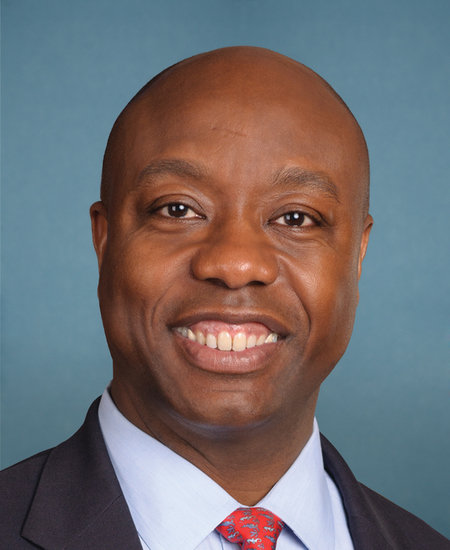
Sponsored bills
Maddy summarySRES 671 is a ceremonial Senate resolution supporting the designation of April 28-May 4, 2024, as "National Small Business Week." It honors small businesses and entrepreneurs across the U.S. for their economic contributions, noting they support over 62 million jobs through 33 million businesses. The resolution expresses the Senate's recognition of small businesses' resilience and role in strengthening local economies. As a symbolic gesture with no new policies or funding, it does not impose requirements or directly affect specific entities.
Maddy summaryS. Res. 675 is a Senate resolution supporting National Minority Health Month in April 2024, which aims to raise awareness about health disparities faced by specific minority groups including American Indians, Alaska Natives, Asian Americans, African Americans, Hispanics, and Native Hawaiians and other Pacific Islanders. It does not create new laws or funding but formally recognizes these disparities through a symbolic legislative gesture. The resolution cites statistics on unequal health outcomes, such as higher rates of diabetes, heart disease, and infant mortality in these communities compared to non-Hispanic White populations. This resolution directly affects public awareness and policy discussions, not individual health services or regulations.
Maddy summaryThis bill prohibits federal student loan forgiveness for individuals convicted of crimes related to protests at colleges or universities. Specifically, it blocks loan forgiveness under the Higher Education Act or other Department of Education programs for people convicted of offenses under federal or state law tied to protest conduct at higher education institutions. It applies to federal student loans (including those under the Higher Education Act and Health Education Assistance Loans) but does not affect repayment requirements. The policy directly targets loan forgiveness eligibility, not loan repayment, for those convicted of protest-related offenses.
Maddy summaryThis bill creates a new federal criminal offense for assaults on law enforcement officers that cause serious injury or involve specific circumstances like crossing state lines, using interstate commerce, or employing firearms. It increases penalties to up to 10 years in prison for assaults causing serious injury, with life imprisonment if death occurs or kidnapping/killing is involved. The bill requires the Attorney General to certify federal prosecution is necessary before proceeding, unless states lack jurisdiction or have requested federal involvement. It directly affects law enforcement officers (including federal, state, and local) by establishing new federal penalties for certain assaults against them.
Maddy summaryThis joint resolution seeks congressional disapproval of a specific Environmental Protection Agency (EPA) rule setting greenhouse gas emissions standards for heavy-duty vehicles (Phase 3). If passed, it would nullify the EPA rule (published April 22, 2024) under the Congressional Review Act, preventing it from taking effect. The rule directly affects manufacturers of trucks and buses by establishing new requirements for reducing emissions. The resolution does not create new standards but aims to block the existing EPA rule through a formal disapproval process.
Maddy summaryThis joint resolution seeks to block an Environmental Protection Agency (EPA) rule that would set new emissions standards for light- and medium-duty vehicles sold in model years 2027 and later. It directly affects automakers, as the rule would require them to meet stricter pollution limits for these vehicles. The resolution uses a congressional disapproval process under federal law to prevent the EPA rule from taking effect. If passed, the rule would be invalidated, meaning automakers would not need to comply with the 2027+ emissions standards outlined in the EPA's April 2024 proposal.
Maddy summaryThe MVP Act (S 4204) establishes a framework for Medicaid to use value-based purchasing (VBP) arrangements, where drug prices are tied to patient outcomes (e.g., refunds if a drug fails to work as intended). It revises Medicaid’s pricing rules to allow manufacturers to report multiple best price points for VBP drugs and adjusts how "average manufacturer price" is calculated to include outcome-based refunds or rebates. The bill also requires the federal government to issue guidance for states on implementing VBP for inpatient drugs and mandates a GAO study (reporting by 2028) to evaluate VBP’s impact on patient access, outcomes, and costs across Medicaid programs.
Maddy summarySRES 658 is a symbolic Senate resolution designating April 2024 as "Financial Literacy Month." It does not create new laws or funding but calls on federal, state, local, schools, nonprofits, and businesses to observe the month with awareness activities. The resolution cites statistics on financial challenges (like 5.9 million unbanked households and rising student debt) to emphasize the importance of financial education. It aims to raise public awareness about personal financial education's role in making sound money decisions and building wealth, without mandating any specific actions.
Maddy summarySRES 659 is a ceremonial Senate resolution commending the University of South Carolina women's basketball team for winning the 2024 NCAA Women's Basketball National Championship. The resolution highlights their undefeated 38-0 season, second championship in three years, and record-breaking TV ratings for the championship game. It formally recognizes the team's achievements, including their 87-75 victory over Iowa, and requests that a copy be sent to the university president, head coach Dawn Staley, and athletics director. As a symbolic gesture with no legal effect, it directly honors the team and university leadership.