

Maddy summaryThis bill provides $5 million annually (2026-2030) to states for improving stillbirth data collection and research, directly affecting state health departments and public health officials. It requires states to collect deidentified stillbirth data - including risk factors - using existing systems like fetal mortality reviews, while ensuring strict privacy compliance. The bill also allocates $1 million yearly to develop standardized data collection guidelines and public educational materials about stillbirths, with input from medical professionals and bereavement organizations. It mandates a public HHS report within five years containing these guidelines and educational resources to improve data consistency and awareness. The legislation focuses on enhancing data quality for research and public health, without altering medical care or insurance coverage.
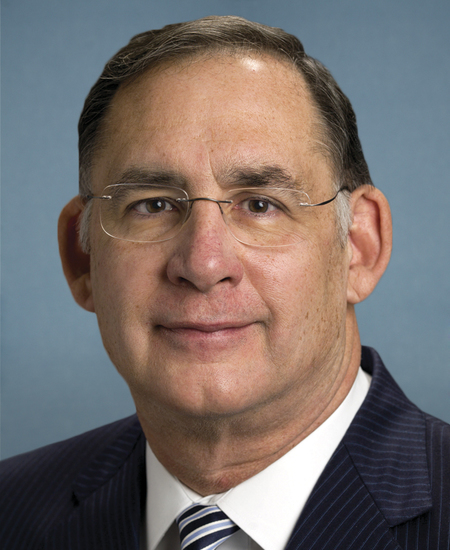
Sponsored bills
Maddy summaryThis bill designates a National Day of Remembrance for 13 U.S. service members who died in the Abbey Gate bombing at Kabul's airport on August 26, 2021. It also expresses the nation's deepest condolences to their families and commemorates their service during the Afghanistan withdrawal. As a commemorative resolution, it has no policy or funding impact but formally honors these individuals' sacrifice through a designated day of remembrance.
Maddy summarySRES 391 is a symbolic Senate resolution condemning the assassination of Charlie Kirk, a conservative campus advocate and founder of Turning Point USA, who was killed on September 10, 2025, at Utah Valley University. The resolution expresses the Senate’s strongest condemnation of the killing, extends condolences to his family (including his wife Erika and two children), and honors his work promoting civil discourse on college campuses. As a non-binding resolution, it does not create policy changes or affect any individuals through legislative action.
Maddy summarySRES 392 is a Senate resolution designating November 16, 2025, as "National Warrior Call Day." It encourages all U.S. citizens to reach out to active-duty service members and veterans through phone calls or conversations to reduce isolation and connect them with support resources. The resolution specifically highlights the importance of peer-to-peer connections in addressing mental health challenges, citing veteran suicide statistics as context. As a symbolic measure (not a law), it does not create new programs but urges public engagement to support military personnel transitioning from service.
Maddy summaryThe Healthcare Workforce Resilience Act creates 40,000 new immigrant visas for nurses and physicians by recapturing unused employment-based visas from fiscal years 1992 through 2024. It reserves 25,000 visas specifically for nurses and 15,000 for physicians, available to applicants who file petitions within three years of the bill's enactment. These visas are exempt from country-based limits, processed more quickly without additional fees, and require employers to attest that hiring foreign workers won’t displace U.S. healthcare workers.
Maddy summarySRES 381 designates September 9, 2025, as "National World War II Italian Campaign Remembrance Day" to honor American and Allied military personnel who liberated Italy from German occupation during World War II. The resolution recognizes the campaign's 602-day duration, the significant sacrifices (including over 150,000 U.S. casualties), and key events like the Salerno landings on September 9, 1943. It encourages the public to observe the day through ceremonies and education, supports preserving historical sites like American cemeteries in Italy, and asks the President to issue a commemorative proclamation. The bill directly affects veterans' legacy and public remembrance, without creating new laws or funding.
Maddy summaryThe Telehealth Modernization Act extends Medicare telehealth flexibilities through 2027, allowing more patients to access care remotely without geographic restrictions. It expands who can provide telehealth services (including audio-only visits), extends telehealth use for hospice recertification, and updates coverage for in-home cardiopulmonary rehabilitation. The bill also extends "acute hospital care at home" program flexibilities through 2030 and requires a study on this program's effectiveness. Additionally, it includes provisions to improve telehealth access for patients with limited English proficiency and enhances Medicare coverage for virtual diabetes prevention programs. These changes primarily affect Medicare beneficiaries, healthcare providers, and telehealth service companies.
Maddy summaryThis concurrent resolution commemorates the 50th anniversary of the 1975 Helsinki Final Act, a landmark Cold War-era agreement signed by 35 nations including the U.S. It reaffirms U.S. commitment to the Act's core principles - such as sovereign equality, territorial integrity, human rights, peaceful dispute resolution, and non-intervention - and urges all participating states to uphold these principles. The resolution specifically calls for the U.S. to continue supporting the Organization for Security and Co-operation in Europe (OSCE) and encourages public observance of the anniversary through programs and ceremonies. It directly affects U.S. foreign policy posture and diplomatic engagement with OSCE member states, particularly in response to recent violations like Russia's actions in Ukraine.
Maddy summarySRES 340 designates July 30, 2025, as "National Whistleblower Appreciation Day" to honor individuals who report government waste, fraud, or misconduct. The resolution directs federal agencies to inform employees, contractors, and the public about their legal right to report wrongdoing and to recognize whistleblowers' contributions to saving taxpayer funds and upholding ethical standards. It commemorates the first U.S. whistleblower law passed on July 30, 1778, by the Continental Congress. This is a symbolic recognition measure with no new legal requirements or funding.
Maddy summaryThis bill reauthorizes funding for state-level maternal mortality review committees, which analyze pregnancy-related deaths to identify preventable causes. It requires the Health and Human Services Secretary to share annual best practices for preventing maternal mortality with hospitals, medical societies, and maternity care groups. The bill increases annual funding for these programs from $58 million to $100 million, extending support through fiscal years 2026-2030. These changes directly affect state health agencies, hospitals, and medical professionals working on maternal health. The focus is on improving death record accuracy and implementing proven prevention strategies.