Maddy summaryThe Smithsonian American Women’s History Museum Act authorizes the creation of a new Smithsonian museum dedicated to women’s history, to be located within the National Mall Reserve in Washington, D.C. If the site is managed by another federal agency, the bill requires that agency to transfer the land after notifying Congress and relevant committees. The museum must ensure exhibits and programs accurately represent diverse women’s experiences by consulting a broad range of experts and community voices. The Smithsonian will submit biennial reports to Congress detailing how the museum meets these representation standards.
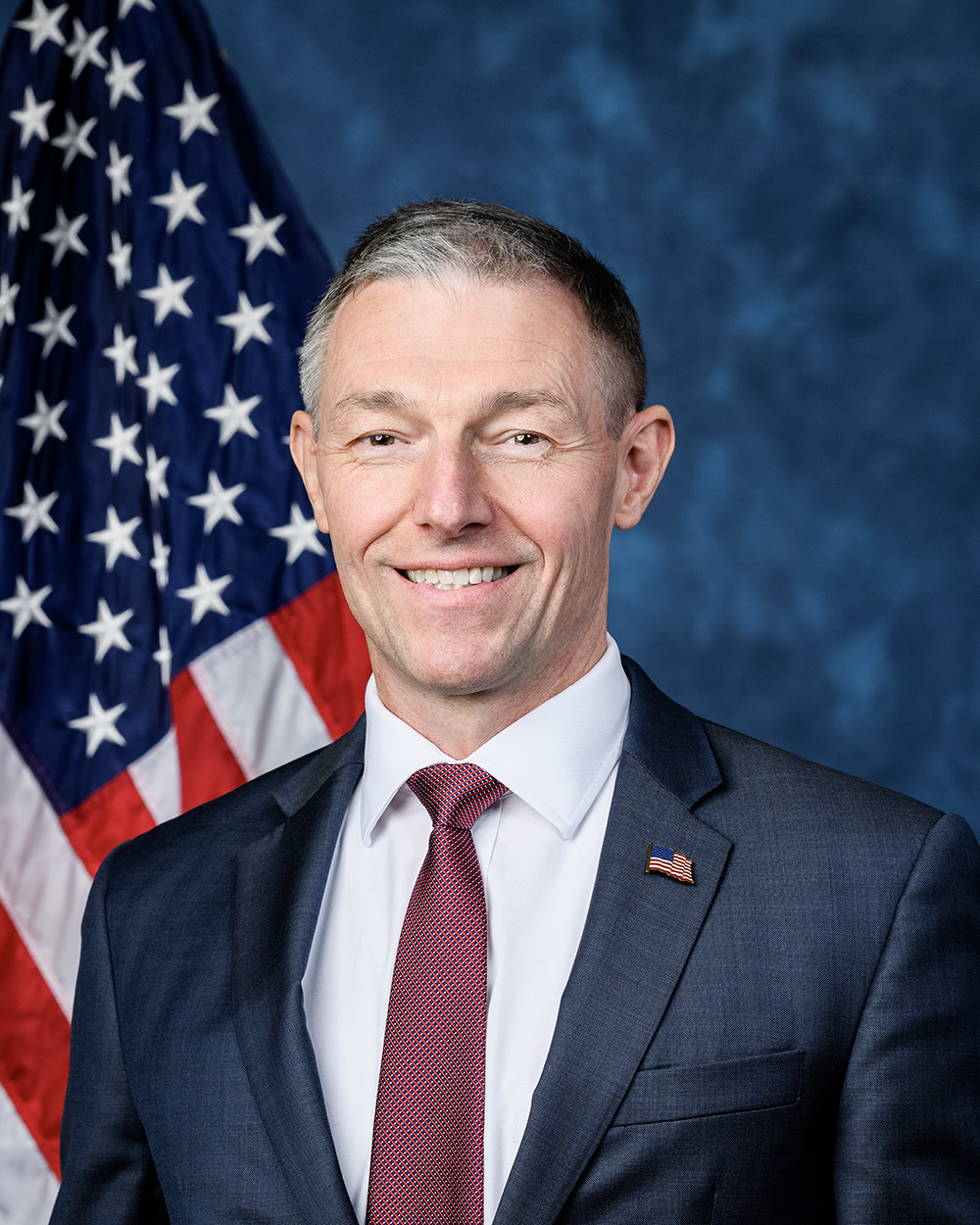
Rep. Mike Kennedy
Sponsored bills
Maddy summaryThe Dietary Supplements Access Act allows individuals to use funds from specific tax-advantaged health accounts to purchase dietary supplements without paying income taxes on those withdrawals. This legislation directly affects holders of Health Savings Accounts, Archer Medical Savings Accounts, and Health Flexible Spending Arrangements by permitting up to $500 per year in tax-free spending on these products, with a lower limit of $250 for married couples filing separately. The bill explicitly defines dietary supplements according to federal law but excludes energy drinks, soft drinks, and sodas from this benefit. These tax advantages will only become effective for expenses incurred after December 31, 2025.
Maddy summaryHR 6802, the CLEAR Act of 2025, blocks the Forest Service from enforcing a specific rule (89 Fed. Reg. 92808, November 25, 2024) related to law enforcement and criminal prohibitions. The bill directly prevents the Department of Agriculture’s Forest Service from implementing or administering this regulation. It does not create new policy but halts enforcement of an existing rule, affecting how the Forest Service operates under that specific provision. The bill is procedural, focusing solely on stopping the rule’s application without altering broader law enforcement authority.
Maddy summaryHR 5638, the Geothermal Royalty Reform Act, clarifies how royalties are calculated for geothermal energy facilities under existing law. It amends the Geothermal Steam Act of 1970 to specify that royalty payments apply to "each electric generating facility producing electricity from such resources" and are calculated "by such facility." This technical adjustment updates the statutory language without changing royalty rates or creating new requirements. The bill directly affects geothermal energy producers who pay royalties under federal law. As a procedural amendment, it streamlines the existing royalty framework without altering policy substance.
Maddy summaryHR 4684, the Star-Spangled Summit Act of 2025, grants a 10-year special use permit for maintaining a U.S. flag at Kyhv Peak Lookout Point in Utah's Uinta National Forest. The permit is first issued to Robert S. Collins of Provo, Utah, or if he declines, to a qualified local resident or nonprofit with experience caring for flagpoles, prioritizing previous permit holders. Key provisions include exemption from land use fees, a process for renewal, and an explicit exemption from environmental review under the National Environmental Policy Act (NEPA). The bill directly affects only the specific location and the designated permit holder(s) at Kyhv Peak, with no broader policy changes.
Maddy summaryThe Connected Vehicle Security Act of 2026 restricts the importation, sale, and manufacture of vehicles and related technology from specific countries, including China, Russia, Iran, and North Korea, to address national security concerns. The law defines prohibited items as connected vehicles, their software, and hardware components and sets different effective dates, with vehicle bans starting in 2027 and hardware restrictions beginning in 2030. A government official can grant exceptions for specific items after reviewing security risks and notifying Congress, while the agency must publish annual reports on enforcement actions and compliance.
Maddy summaryThis bill, titled the "Special Operations Forces Concealed Carry Act," amends federal law to allow current and honorably discharged military special operations personnel to carry concealed firearms nationwide. It directly affects those who served in specific special operations roles across the Army, Navy, Marine Corps, and Air Force. The bill expands the existing Law Enforcement Officers Safety Act (LEOSA) to include these "qualified special operators," granting them similar concealed carry privileges. Unlike law enforcement officers under LEOSA, these individuals would not be subject to annual firearms qualification requirements, and their authority would be permanent, contingent on maintaining honorable discharge status and federal firearm eligibility. To exercise this authority, they must carry proof of identity and qualification, which can include a new Department of Defense or Veterans Affairs photo identification or official service documentation.
Maddy summaryThis bill requires federal agencies to analyze indirect economic costs on small businesses when creating new rules, including costs affecting businesses that interact with regulated entities (like suppliers or partners). It creates a new process allowing small businesses to petition the Small Business Administration's Chief Counsel to review agency certifications claiming a rule won't significantly impact them. Agencies must then provide detailed cost analyses, publish guidance online for small business feedback, and face penalties if they fail to cooperate with reviews. The bill does not change existing regulations but adds new review steps for small business input.
Maddy summaryThe PEAT Act of 2026 amends federal regulations to clarify how certain biologic drugs are classified for approval purposes. Specifically, it prevents the Food and Drug Administration from denying approval to a biologic product simply because it contains a protein that does not have a clinical effect. This change ensures that the presence of inactive proteins does not automatically disqualify a drug from being treated as a biological product. The legislation directly impacts pharmaceutical companies developing complex biologics and the regulatory review process for these medicines. By removing this specific barrier, the bill aims to streamline the path to market for drugs that include non-active protein components.
This bill designates the facility of the United States Postal Service located at 111 South Tremont Street in Tremonton, Utah, as the "Sorensen-Estrada Post Office".