Maddy summaryHR 551, the "Make the Migrant Protection Protocols Mandatory Act of 2025," would require U.S. border officials to apply the Migrant Protection Protocols (MPP) to all eligible asylum seekers at the southern border, rather than allowing discretion. The bill amends the Immigration and Nationality Act to change the language from "may" to "shall" in Section 235(b)(2)(C), meaning officials must send asylum seekers back to Mexico to await their immigration hearings. This directly affects asylum seekers who would no longer have the option of remaining in the U.S. during processing. The key mechanism is a technical legal change to make the existing MPP policy mandatory for all applicable cases.
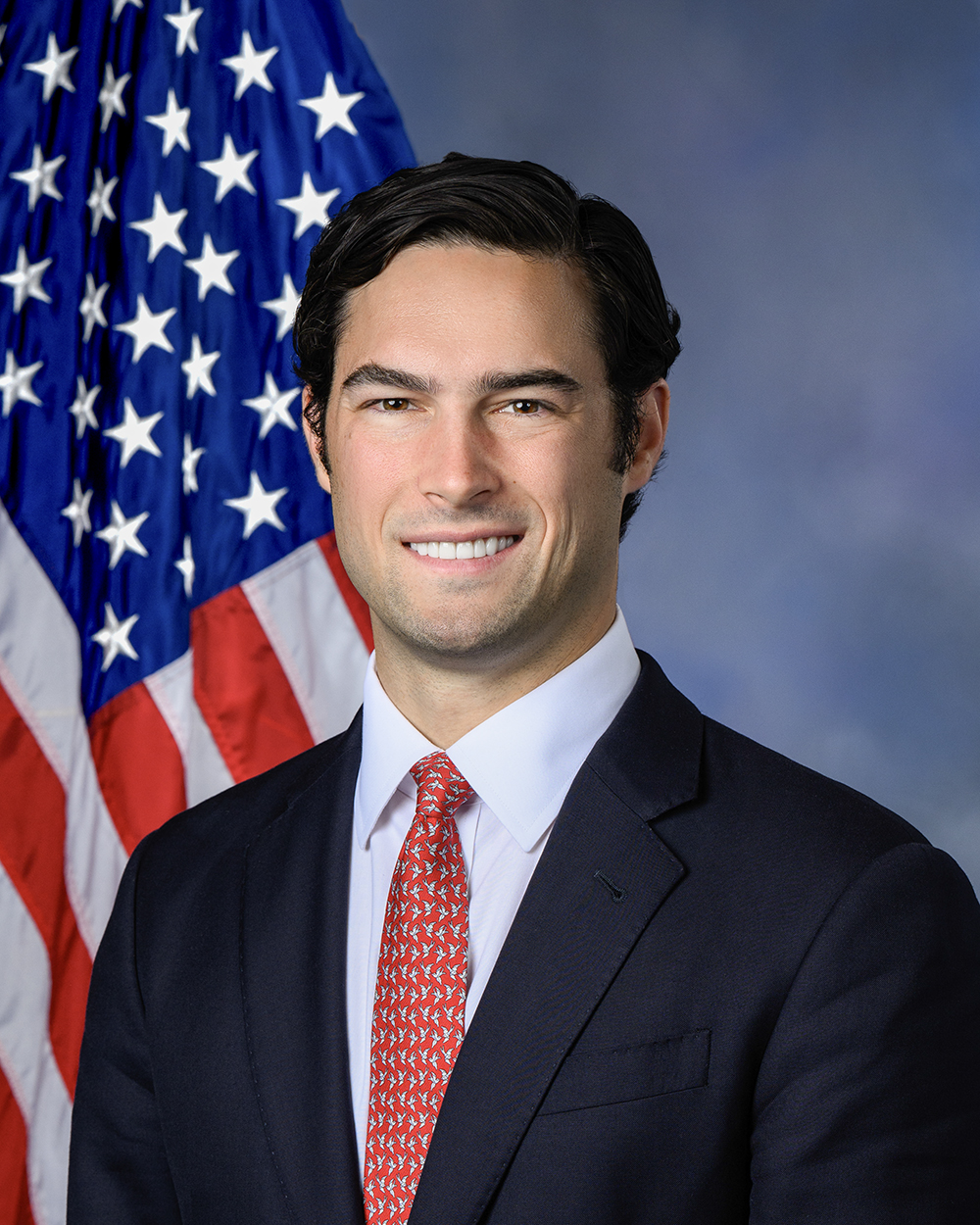
Rep. Brandon Gill
Sponsored bills
Maddy summaryHR 526, the Declaration of Energy Independence Act, reduces costs for oil and gas leaseholders on federal lands. It lowers royalty rates from 16.67% to 12.5%, cuts minimum bids from $10 to $2 per acre, and adjusts annual rental rates (from $3-$15 to $1.50-$2 per acre). The bill also creates new noncompetitive leasing options for existing leases meeting production thresholds (e.g., 15 barrels/day oil or 60,000 ft³/day gas), allowing continued operation without bidding. These changes directly affect companies holding federal oil/gas leases, particularly those with older leases or low-production sites.
Maddy summaryHR 465, the "Old Glory Only Act," requires all U.S. diplomatic and consular posts abroad to fly only the United States flag. The bill directs the Secretary of State to ensure no other flags are displayed over these government facilities. This is a procedural change affecting the physical display of flags at U.S. embassies and consulates worldwide, with no other policy provisions. It mandates a specific practice without altering other diplomatic protocols or affecting citizens or organizations.
Maddy summaryThis bill increases the tax rate on investment income earned by private colleges and universities from 1.4% to 21%. It directly affects private institutions with significant endowments, requiring them to pay a higher tax on their investment returns. The revenue generated must be deposited into the federal Treasury to reduce the national deficit and debt. The tax applies to taxable years beginning after the bill's enactment date.
Maddy summaryHR 418 requires federal agencies to have rules created under standard rulemaking procedures signed by a Senate-confirmed appointee or initiated by a senior agency official. This affects all agencies developing regulations, mandating that such rules follow specific leadership approval steps unless the agency head certifies public safety or security concerns require an exception. Agencies seeking to bypass this requirement must submit written justification to OIRA (Office of Information and Regulatory Affairs) and publish it in the Federal Register. OIRA will monitor compliance with these procedural requirements, which change the process for rulemaking without altering the substance of regulations.
Maddy summaryHR 404, the "Hearing Protection Act," reclassifies firearm silencers (devices that reduce gunfire noise) as firearms for federal tax and regulatory purposes. It imposes a 10% federal tax on silencers, requires the destruction of all existing federal silencer registration records within one year, and preempts state laws that tax or regulate silencers. The bill clarifies that silencers are treated as firearms under federal law, including for licensing and marking requirements, and defines "firearm silencer" to include specific components. Note: The bill’s title is misleading - it addresses firearm silencer regulation, not hearing protection for people.
Maddy summaryHR 424, the State Border Security Reimbursement Act of 2025, requires the federal government to reimburse states that spent over $2.5 billion on border security since 2014. It directly affects states like Texas, which has allocated over $3.2 billion for border security since 2008-2009 due to federal inaction. States meeting the spending threshold must submit expense reports within 180 days of the bill's enactment, and the federal government must reimburse these costs within one year of submission. The bill aims to address the financial burden on states that have funded border security efforts primarily the federal government's responsibility.
Maddy summaryHR 28, the *Protection of Women and Girls in Sports Act of 2025*, amends Title IX to prohibit federally funded schools from allowing male-identified individuals (based on biological sex at birth) to compete on women’s or girls’ sports teams. It explicitly states that such participation would violate federal civil rights law, with exceptions only for training/practice that doesn’t displace female athletes from roster spots, competitions, scholarships, or other benefits. The bill mandates a Comptroller General study to define "other benefits" lost by girls when males compete in single-sex sports, including impacts on psychological well-being, scholarship access, and safe participation environments. This bill directly affects all athletic programs receiving federal funding, requiring compliance with its biological-sex-based eligibility rules.
Maddy summaryHR 395, the Justice for Rape Survivors Act, mandates a minimum 30-year prison sentence for individuals convicted of aggravated sexual abuse or sexual abuse under federal law. It directly affects those found guilty of these specific crimes by replacing current sentencing language with a fixed 30-year minimum term. The bill amends Title 18, United States Code, sections 2241 (aggravated sexual abuse) and 2242 (sexual abuse), requiring courts to impose at least 30 years in prison or life imprisonment for these offenses. This policy change increases the minimum sentence for these crimes without altering the definitions of the offenses themselves.
Maddy summaryHR 393, the "No Repeat Child Sex Offenders Act," amends federal criminal code sections to replace existing prison terms with mandatory death or life imprisonment for specific child sex offenses. It applies to prosecutions under provisions targeting sex trafficking of children (18 U.S.C. §1591), transportation of minors for sexual purposes (18 U.S.C. §2423), and various sexual abuse crimes against minors (18 U.S.C. §§2241-2245). The bill directly affects individuals convicted under these provisions, including repeat offenders, by eliminating minimum and maximum prison sentences in favor of the harshest penalties. It does not create new offenses but significantly increases penalties for existing crimes involving child sexual exploitation.