Maddy summaryHR 5577, the FACE Act Repeal Act of 2023, would repeal a federal law (Section 248 of Title 18, U.S. Code) that made it a crime to block access to abortion clinics or threaten clinic staff. This repeal would remove criminal penalties for obstructing access to clinics, affecting abortion providers, clinic staff, and individuals attempting to access or block clinic entrances. The bill specifically targets the repeal of this prohibition, applying to prosecutions pending or initiated after the law's enactment. It does not change other abortion-related laws or create new policies.
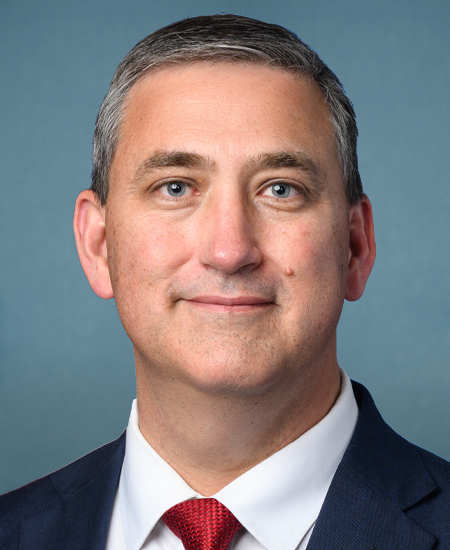
Rep. Nathaniel Moran
Sponsored bills
Maddy summaryHR 5044, the Timber Innovation for Building Rural Communities Act, creates a federal platform to track carbon emissions and storage from forests and wood products, using data from USDA programs. It establishes grant programs to fund wood-building projects in rural areas with high unemployment, support wood-based construction education at colleges, and pilot innovative wood infrastructure projects like mass timber buildings in rural communities. The bill prioritizes projects that boost local jobs, reduce wildfire risks, and demonstrate economic benefits from wood products, requiring matching funds from non-federal sources. These grants, totaling up to $10 million annually per program, aim to strengthen rural economies tied to forestry while promoting wood as a carbon-friendly building material.
Maddy summaryThis bill extends existing programs that provide payments to counties and states with federal land, primarily to support local schools and communities. It updates key deadlines, extending secure payments through 2026, special project authorities through 2029, and county fund expenditure authority through 2028. A new pilot program allows regional foresters to appoint resource advisory committee members directly, with this authority ending October 1, 2028. These changes directly affect rural counties and states managing federal lands, maintaining current funding mechanisms without altering eligibility or payment amounts.
Maddy summaryThis bill requires parties in civil lawsuits to disclose any foreign entities funding their case - including names, addresses, and countries of origin - within 30 days of filing or signing funding agreements. It specifically prohibits foreign governments and sovereign wealth funds from funding litigation where payment depends on the case outcome, banning such agreements entirely. Parties must also certify if foreign money is used and submit annual reports to Congress detailing foreign funders, judicial districts involved, and case types. The law applies to all civil cases filed after enactment, aiming to increase transparency about foreign influence in U.S. courts.
Maddy summaryHR 5475, the Prohibiting Adversarial Patents Act of 2023, requires patent applicants to disclose if they or their invention received funding from state-affiliated research funds or talent programs of specific foreign adversaries (including China, Russia, Iran, North Korea, Cuba, and Venezuela under Maduro) within five years of filing. It also prohibits U.S. patents for individuals or entities identified on certain national security lists (like the OFAC CMIC List or Chinese military company designations) and makes existing patents from such entities unenforceable. The bill directly affects patent applicants with ties to these nations and patent holders later added to designated lists. Small businesses subject to existing disclosure rules under the Small Business Act are exempt from the new disclosure requirement.
Maddy summaryHR 5508, the "Respect for the Second Amendment Act," prohibits state and local governments from enforcing laws that restrict firearm ownership or use unless those laws align with the U.S. historical tradition of firearm regulation. The bill directly affects state and local laws governing gun possession, carrying, and ownership, requiring courts to block any regulation that fails this historical test. Key mechanisms include allowing the Attorney General or individuals harmed by such laws to sue for injunctions, with prevailing plaintiffs entitled to legal fees. The bill does not preempt stronger state gun rights protections but focuses on challenging state laws deemed inconsistent with the Second Amendment as interpreted by Supreme Court rulings like *Heller* and *Bruen*.
Maddy summaryHR 3152, the "Fight CRIME Act," aims to maintain international restrictions on Iran's missile-related activities by requiring diplomatic efforts to extend these restrictions before they expire in October 2023. The bill mandates annual reports detailing U.S. diplomatic strategies, potential impacts of expiration, and measures to deter missile technology transfers to Iran. It establishes sanctions against foreign individuals or entities that knowingly support Iran's missile or drone programs, including asset freezes and visa restrictions. These sanctions apply regardless of whether UN restrictions remain in effect after their expiration, directly affecting foreign entities involved in these activities.
Maddy summaryHR 5419, the Direct Seller and Real Estate Agent Harmonization Act, amends the Fair Labor Standards Act to exclude direct sellers (like door-to-door sales representatives) and qualified real estate agents from the federal definition of "employee." This change means these workers would no longer be automatically covered by federal minimum wage and overtime protections under the Fair Labor Standards Act. The bill directly affects individuals working in these specific roles by altering their legal classification under labor law. The key provision is a new definition inserted into existing law, aligning labor classification with existing tax code definitions for these professions.
Maddy summaryHR 940, the Information Security Investment Act of 2023, requires Members of Congress (including delegates and resident commissioners) and the President and Vice President to complete mandatory training on handling classified information. Members must finish this training within 90 days of taking office (or 180 days for the first session of the 118th Congress), while the President and Vice President must complete it within 30 days of starting their term and every two years thereafter. The bill establishes specific deadlines for completing this training and mandates that relevant committees (House Administration and Senate Rules) issue regulations to implement the requirement. This procedural bill directly affects elected officials and the executive branch leadership by imposing standardized training obligations on handling classified information.
Maddy summaryHR 5326, the Empowering Local Curriculum Act, prohibits federally funded schools from being required to teach or promote specific concepts related to race and gender. It explicitly blocks the mandatory teaching of ideas such as the U.S. being "fundamentally racist," individuals being inherently racist based on race, or meritocracy being racist. The bill applies to institutions receiving federal funds under the Higher Education Act (for colleges) and the Elementary and Secondary Education Act (for K-12 schools). It does not ban these topics but prevents federal requirements from mandating their inclusion in curricula.