Maddy summaryThe UNLOCK AUKUS Act modifies existing export control rules to allow the transfer of specific defense articles and services under the AUKUS partnership. By amending the Arms Export Control Act, the bill removes certain restrictions that previously limited what can be shared between partner nations. This change directly affects the U.S. government's ability to share advanced military technology with allies in the AUKUS alliance. The legislation aims to facilitate collaboration without altering the core legal framework governing defense exports.
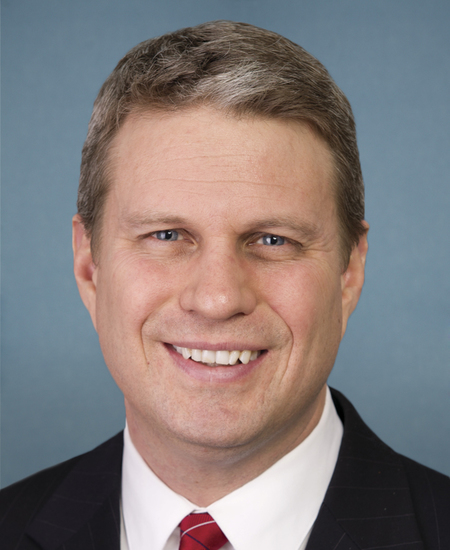
Rep. Bill Huizenga
Sponsored bills
Maddy summaryThis bill authorizes Congress to award a Congressional Gold Medal to individuals who fought for or with the United States in the Pacific theater during World War II and subsequently became prisoners of war. The legislation specifically recognizes the service and sacrifice of those who defended locations such as Bataan and Corregidor, including Filipino soldiers and civilians who served alongside U.S. forces. To implement this award, the Speaker of the House and the President pro tempore of the Senate will arrange for the creation of a gold medal by the Secretary of the Treasury, which will be presented to the Smithsonian Institution for display. The act also allows for the production of duplicate bronze medals to cover the costs of the original gold medals, with any proceeds from these sales deposited into the United States Mint Public Enterprise Fund.
Maddy summaryThis bill, the Budgeting for a Better America Act, fundamentally changes how the federal government plans its spending by shifting the congressional budget process from an annual cycle to a biennial one, covering two consecutive fiscal years. It establishes a new National Commission on Fiscal Responsibility and Reform composed of 18 members from both political parties to propose specific policies that would reduce the federal deficit to 3% of the gross domestic product within a decade. The legislation also mandates that any joint resolution implementing the commission's recommendations be given expedited floor consideration in both the House and Senate without the possibility of amendment. Additionally, the bill requires the President to submit supplemental budget estimates annually, mandates a hearing on the nation's fiscal state, and ensures new members of Congress receive budgetary training before taking their seats.
Maddy summaryThis bill redesignates the existing National Parks and Public Land Legacy Restoration Fund as the America's Legacy Restoration Fund to address deferred maintenance on federal lands. It directs revenue from recreation fees and a portion of energy development income into the fund, which must be used primarily for repairing critical infrastructure like roads, trails, and buildings managed by agencies such as the National Park Service and the Forest Service. The legislation establishes strict rules requiring that most funds go toward non-transportation projects, mandates transparency through public dashboards tracking project status, and sets aside a small percentage for matching private donations. Additionally, the bill increases entrance fees for foreign visitors to ensure they contribute to the fund, while prohibiting the use of these specific funds for land acquisition or employee bonuses.
Maddy summaryHR 941, the Small LENDER Act, creates a 3-year compliance period and a subsequent 2-year penalty-free period for small lenders required to report small business lending data under a new rule. It directly affects financial institutions that originated at least 500 small business loans in each of the previous two years (defined as loans to businesses with under $1 million annual revenue). The bill delays full enforcement of new data reporting requirements, giving lenders time to adjust without penalties during the grace periods. This changes how the Consumer Financial Protection Bureau enforces reporting rules for smaller lenders focused on small business loans.
Repealing Big Brother Overreach Act This bill repeals the Corporate Transparency Act. The act requires existing companies and newly created companies to report beneficial ownership information to the Department of the Treasury’s Financial Crimes Enforcement Network for purposes of addressing the financing of terrorism and money laundering.
Maddy summaryThis bill requires the Department of Veterans Affairs to create a public list of healthcare providers who have completed annual, evidence-based training on preventing veteran suicide. To qualify for this preferred provider list, providers must either finish VA-sponsored training or demonstrate completion of substantially similar external training that meets military healthcare standards. The VA must review this list annually to ensure compliance and submit regular reports to Congress detailing participation numbers and the effectiveness of the program in influencing veteran care choices.
Maddy summaryThe DOMINANCE Act aims to reduce U.S. reliance on strategic competitors like China for critical minerals by building international partnerships to secure diversified supply chains. It establishes a Minerals Security Partnership to coordinate diplomatic, development, and financial support for critical mineral projects with allies, creates a new Office of Energy Security Compacts to develop multi-year agreements with partner countries, and sets up a new Assistant Secretary position for Energy Security at the State Department. The bill also includes education programs like the Critical Mineral Mining Fellowship Program to build U.S. workforce capacity in mining. These measures are designed to enhance U.S. national security and economic competitiveness by ensuring reliable access to critical minerals needed for defense, technology, and energy systems.
United States Commission on International Religious Freedom Reauthorization Act of 2026 This bill reauthorizes the U.S. Commission on International Religious Freedom through 2028. The commission is an independent federal commission tasked with monitoring international religious freedom conditions, reviewing U.S. government policy, and making policy recommendations. (Under current law, the commission is authorized through FY2026.)
Maddy summaryThis resolution honors the contributions of automotive workers across the United States, with specific emphasis on those employed in Michigan's manufacturing sector. It formally designates September 2026 as "American Automotive Worker Recognition Month" to acknowledge the industry's role in supporting millions of jobs and national economic stability. The measure expresses support for policies that strengthen domestic production and supply chains while commending the skill and dedication of workers in plants, supply chains, and dealerships. As a symbolic gesture, the bill does not create new laws or funding but serves to recognize the historical and economic importance of the automotive workforce.