This joint resolution proposes a constitutional amendment limiting Representatives to three terms and Senators to two terms. Terms beginning before the ratification of this amendment do not count towards these term limits.
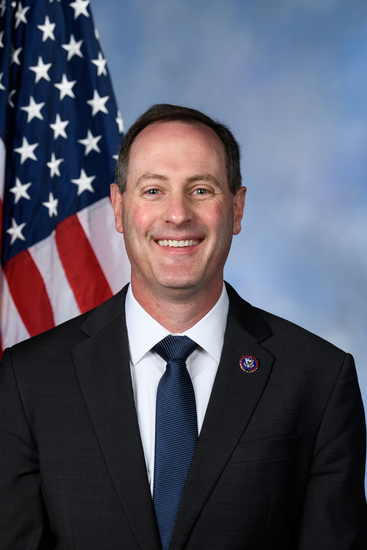
Rep. Tracey Mann
Sponsored bills
This joint resolution proposes a constitutional amendment prohibiting total outlays for a fiscal year from exceeding total receipts for that fiscal year unless Congress authorizes the excess by a three-fifths roll call vote of each chamber. The prohibition excludes outlays for repayment of debt principal and receipts derived from borrowing. The amendment requires roll call votes of (1) three-fifths of each chamber of Congress to increase the public debt limit, and (2) a majority of each chamber for legislation increasing revenue. It also requires the President to submit a balanced budget to Congress annually. Congress is authorized to waive these requirements when a declaration of war is in effect or if the United States is engaged in a military conflict which causes an imminent and serious military threat to national security.
This joint resolution proposes an amendment to the Constitution to require that the Supreme Court consist of nine Justices.
This resolution honors Officers Brian Sicknick and Howard Liebengood of the U.S. Capitol Police, and it commends the bravery and service demonstrated by officers of the U.S. Capitol Police, the Metropolitan Police Department of the District of Columbia, and the other law enforcement agencies and protective entities that assisted in responding to the January 6, 2021, attack on the U.S. Capitol.
Protecting the Right to Keep and Bear Arms Act of 2021 This bill prohibits (1) the President or the Department of Health and Human Services from declaring emergencies or disasters for the purpose of imposing gun control; and (2) a federal officer or employee, or person operating under color of federal law, from banning the manufacture, sale, or transfer of firearms or ammunition while acting in support of relief from a major disaster or emergency.
No Social Media Accounts for Terrorists or State Sponsors of Terrorism Act of 2021 This bill bars access to certain social media platforms by individuals designated as terrorists or senior officials of a government that is a state sponsor of terrorism. Specifically, the bill requires the President to prohibit providers of social media platforms (i.e., platforms that allow users to generate and share content and that have over 100,000 active users) from making such platforms available to barred individuals or officials. The bill does, however, allow officials to use these platforms solely for legitimate emergency alert purposes. Violations of this prohibition are subject to civil and criminal penalties. In addition, the President may waive the prohibition in the interests of U.S. national security. The Department of the Treasury must report to Congress on (1) the status and impact of the prohibitions of this bill, and (2) efforts to facilitate the free flow of information and access to communications technologies by civil society and democratic activists in Iran, Syria, North Korea, Cuba, and other countries controlled by authoritarian regimes.
Adoption Information Act This bill requires federally funded family planning programs to provide each person who inquires about their services with specified information about adoption centers in their state. The Department of Health and Human Services must provide the programs with pamphlets containing the required information.
Protecting American Energy Production Act This bill prohibits the President from declaring a moratorium on the use of hydraulic fracturing unless Congress authorizes the moratorium. The bill also expresses the sense of Congress that states should maintain primacy for the regulation of hydraulic fracturing for oil and natural gas production on state and private lands.
Concealed Carry Reciprocity Act This bill establishes a federal statutory framework to regulate the carry or possession of concealed firearms across state lines. Specifically, an individual who is eligible to carry a concealed firearm in one state may carry or possess a concealed handgun (other than a machine gun or destructive device) in another state that allows its residents to carry concealed firearms. It sets forth requirements for the lawful concealed carry across state lines. The bill preempts most state and local laws related to concealed carry and establishes a private right of action for a person adversely affected by interference with a concealed-carry right established by this bill.
This concurrent resolution expresses the sense of Congress that school administrators should safely reopen schools for in-person instruction as soon as possible.