Maddy summaryHR 4398, the Veteran Burial Timeliness and Death Certificate Accountability Act, requires Veterans Affairs (VA) physicians or nurse practitioners to certify the death of a veteran who dies of natural causes within 48 hours of learning of the death. This directly affects veterans' families, who previously faced delays of up to eight weeks in burial and access to survivor benefits due to slow death certifications. The bill mandates annual reports to Congress on VA compliance with the 48-hour rule, including statistics on delays and their causes. The key change is establishing a strict timeline for death certification to prevent unnecessary delays in honoring veterans' final arrangements.
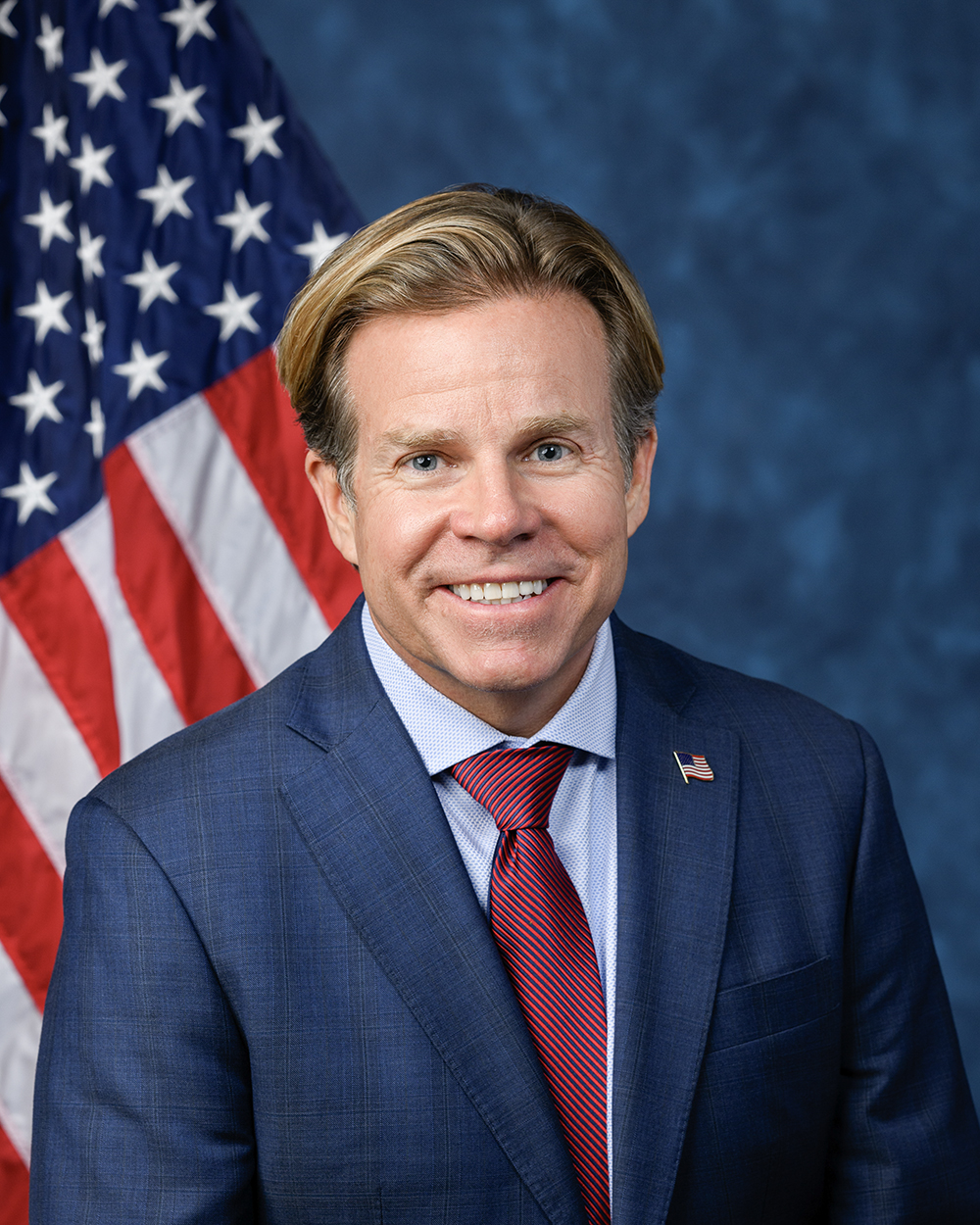
Rep. Mike Haridopolos
Sponsored bills
Maddy summaryThe GRACE for Military Survivors Act extends the deadline for contributing military death benefits to Roth IRAs and Coverdell education savings accounts from one year to three years. This change directly benefits families of service members who receive these death benefits, giving them more time to save for retirement or education. The law applies to benefits received after the bill is enacted and includes a special rule allowing contributions made within a specific window for benefits received between 2001 and the enactment date. By amending the Internal Revenue Code, the bill ensures that eligible funds can be deposited into these tax-advantaged accounts without losing their value due to time limits.
Maddy summaryHR 5351, the NSF AI Education Act of 2025, creates new funding mechanisms to expand artificial intelligence education. It authorizes scholarships and fellowships covering tuition, fees, and stipends for undergraduate and graduate students in AI-related fields, with priority for programs teaching AI in K-12 schools, advanced manufacturing, and agriculture. The bill also establishes up to eight regional "Centers of AI Excellence" at community colleges and career schools to develop AI curricula, build industry partnerships, and create student job pathways. Additionally, it funds research grants to develop K-12 AI teaching materials and supports professional development for educators and industry professionals to integrate AI into classrooms.
Maddy summaryThis bill authorizes the presentation of Congressional Gold Medals to the four crew members of the Artemis II mission to recognize their historic achievement in advancing human space exploration. The legislation directs the Speaker of the House and the President pro tempore of the Senate to arrange for the medals, which will feature the faces of the astronauts and be struck by the Secretary of the Treasury. In addition to the gold medals, the bill permits the minting and sale of duplicate bronze versions to help cover production costs, with any proceeds returned to the United States Mint Public Enterprise Fund.
Maddy summaryThis bill redesignates the existing National Parks and Public Land Legacy Restoration Fund as the America's Legacy Restoration Fund to address deferred maintenance on federal lands. It directs revenue from recreation fees and a portion of energy development income into the fund, which must be used primarily for repairing critical infrastructure like roads, trails, and buildings managed by agencies such as the National Park Service and the Forest Service. The legislation establishes strict rules requiring that most funds go toward non-transportation projects, mandates transparency through public dashboards tracking project status, and sets aside a small percentage for matching private donations. Additionally, the bill increases entrance fees for foreign visitors to ensure they contribute to the fund, while prohibiting the use of these specific funds for land acquisition or employee bonuses.
Maddy summaryHR 941, the Small LENDER Act, creates a 3-year compliance period and a subsequent 2-year penalty-free period for small lenders required to report small business lending data under a new rule. It directly affects financial institutions that originated at least 500 small business loans in each of the previous two years (defined as loans to businesses with under $1 million annual revenue). The bill delays full enforcement of new data reporting requirements, giving lenders time to adjust without penalties during the grace periods. This changes how the Consumer Financial Protection Bureau enforces reporting rules for smaller lenders focused on small business loans.
Maddy summaryThis bill, known as the Stopping Harmful and Outrageous Torts Act, expands legal protections for firearm manufacturers and sellers by strengthening their immunity from civil lawsuits. It requires courts to immediately dismiss any pending cases against these companies that are based on the criminal or unlawful misuse of a gun by a third party, while also clarifying that sellers are not liable for negligence in entrusting products to others. The legislation further restricts who can file such suits by prohibiting foreign governments from bringing these claims and adding a specific exception for victims under the age of 17, though it maintains immunity for cases involving design or manufacturing defects. Additionally, the bill allows companies to move these cases to federal court and grants them the right to appeal dismissal orders immediately, along with the ability to recover legal fees if they win. Finally, it preempts state and local laws that attempt to impose liability on these entities for the same types of misuse-related harms.
Maddy summaryThe Seaport Security Act of 2026 establishes new federal rules to protect U.S. seaports from unauthorized drone operations. It defines a restricted airspace zone extending up to 1,000 feet above specific seaports that handle significant cargo or cruise passengers, prohibiting the flight of unmanned aircraft in these areas without permission. The bill allows exceptions for authorized government agencies, law enforcement with prior notice, port security operations, emergency responses, and specific waivers issued by the Federal Aviation Administration. Violations of these restrictions can result in civil fines of up to $25,000, seizure of the drone, or criminal imprisonment for up to two years, with harsher penalties of up to ten years for acts intended to facilitate crime or terrorism. The Federal Aviation Administration is required to issue detailed regulations within 180 days to implement these protections.
Maddy summaryHR 3831, the Florida Safe Seas Act of 2025, amends an existing federal law to specifically include Florida in a prohibition against feeding sharks within the exclusive economic zone off the Florida coast. The bill modifies Section 317 of the Magnuson-Stevens Fishery Conservation and Management Act to replace "the State" with "the States" and add "and Florida" after Hawaii, ensuring Florida is explicitly covered under the current rule. This is a technical correction to clarify that Florida's waters are included in the existing federal ban on shark feeding, which already applied to Hawaii. The bill does not create new restrictions but formally extends the existing prohibition to Florida's exclusive economic zone. It directly affects activities involving shark feeding by vessels operating in Florida's offshore waters under federal jurisdiction.
Maddy summaryThis bill appropriates $3.5 billion to help Florida farmers and growers recover from the severe freeze that occurred in March 2026. The funds are distributed as block grants specifically to cover losses in crops, trees, bushes, and vines caused by the cold weather, including compensation for multi-year crops. Assistance is restricted to counties officially designated as disaster areas by the Secretary of Agriculture on March 4, 2026, and requires a request from a state agriculture department to release the money. The Secretary of Agriculture must also submit quarterly reports to Congress detailing how the funds are being used until the budget is exhausted.