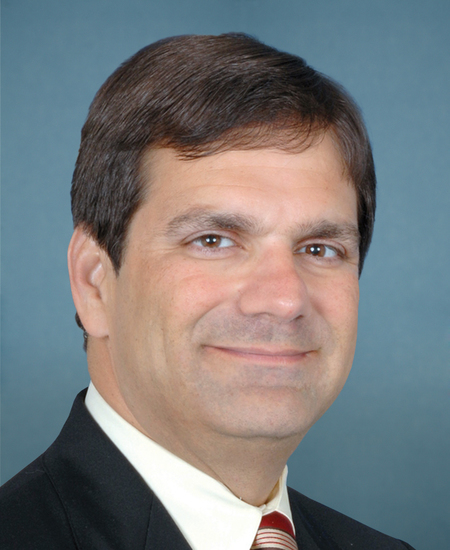
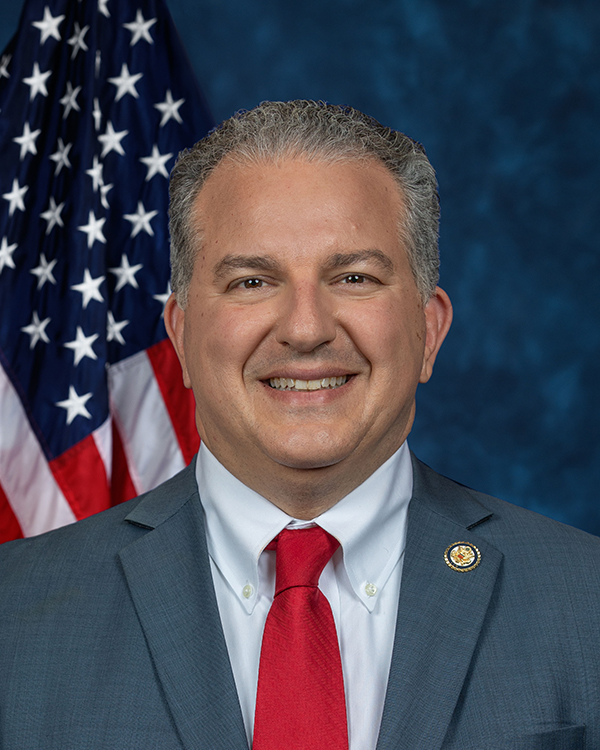
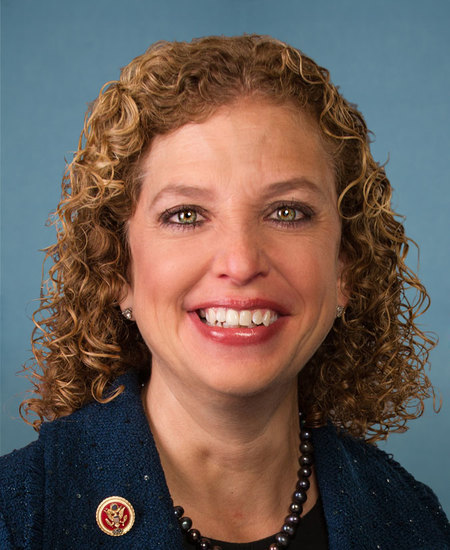
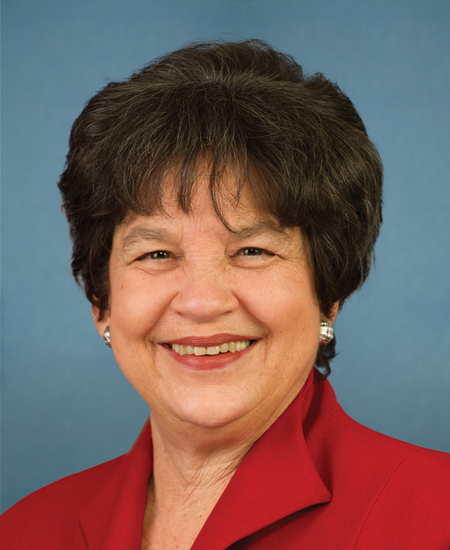
Key legislators
Who's moving veterans in Florida
Showing 4 of 4
bills
All veterans bills
This bill, titled the No Taxpayer-Funded Pensions for Sex Criminals Act, prohibits federal government employees and military personnel from receiving pension benefits if they are convicted of specific sex crimes. The law amends existing federal statutes to ensure that anyone convicted of offenses such as rape, child molestation, or sexual exploitation after the bill's enactment will have their annuities and retired pay forfeited. These penalties apply to crimes committed on or after the date the law is passed, covering both federal offenses and state crimes that would be considered federal sex offenses if committed in federal territory. The legislation also includes technical updates to related sections of the U.S. Code to ensure the forfeiture rules are consistently applied across different retirement systems.
HR 968, the Time of Service Act, would change the deadline for using benefits under the Post-9/11 Educational Assistance Program from January 1, 2013, to January 1, 2001. This would require veterans to use their educational benefits by 2001, before the program's effective date in 2009. As a result, the bill would make these benefits unavailable for all veterans eligible under the program. It directly affects veterans who served after September 11, 2001, and are currently using or eligible for the Post-9/11 Educational Assistance Program.
HR 3579 requires veterans to submit an application before the VA can begin an initial evaluation for vocational rehabilitation services. It limits employment assistance under the program to a maximum of 365 days per veteran. The bill also mandates the VA to annually report veterans' regional office assignments, pre- and post-program wages, and average wait times for counselor meetings to Congress and the public. Additionally, it requires an independent review of VA rehabilitation programs within one year of enactment to recommend improvements.
HJRES 144 is a congressional disapproval resolution targeting a specific rule issued by the Department of Veterans Affairs (VA) on December 31, 2025, which addressed "Reproductive Health Services" (90 Fed. Reg. 61310). This resolution directs Congress to disapprove the VA rule under Chapter 8 of Title 5, U.S. Code, meaning the rule would have no legal effect if passed. The bill directly affects the VA's implementation of reproductive health services for veterans, as it seeks to nullify the agency's existing policy. This is a procedural measure, not a substantive policy change, aimed solely at blocking the VA's rule through congressional action.