Issue · Environment

Environment

Every environment bill, vote, and legislator stance in Florida, automatically classified by Maddy, our AI policy reader.

Total bills
293
119th Congress
Top supporter
Kathy Castor
65% support rate
Top opponent
Ashley Moody
24% support rate
Ranked legislators
10
5 support · 5 oppose
Key legislators

Who's moving environment in Florida

Legislators moving environment in Florida
Legislator Party Stance Support rate Votes
Kathy Castor
Kathy Castor House · District 14
D
Support
65% 298
Frederica S. Wilson
Frederica S. Wilson House · District 24
D
Support
64% 225
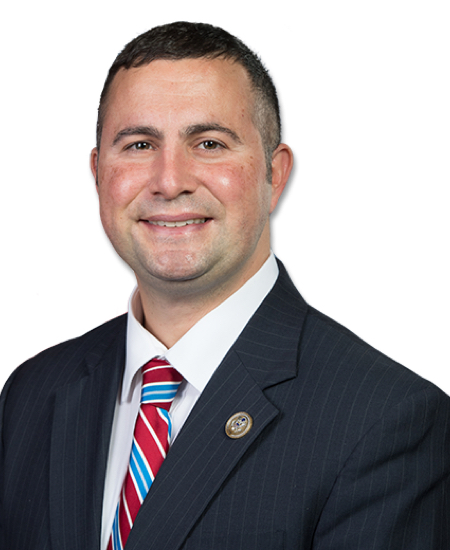
Darren Soto
Darren Soto House · District 9
D
Support
64% 306
Maxwell Frost
Maxwell Frost House · District 10
D
Support
64% 305
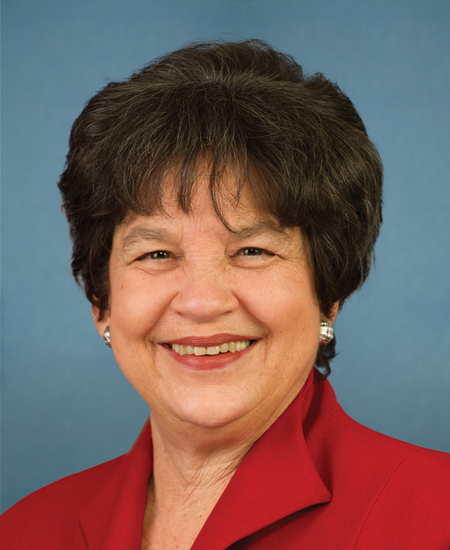
Lois Frankel
Lois Frankel House · District 22
D
Support
62% 292
Ashley Moody
Ashley Moody Senate
R
Oppose
24% 232
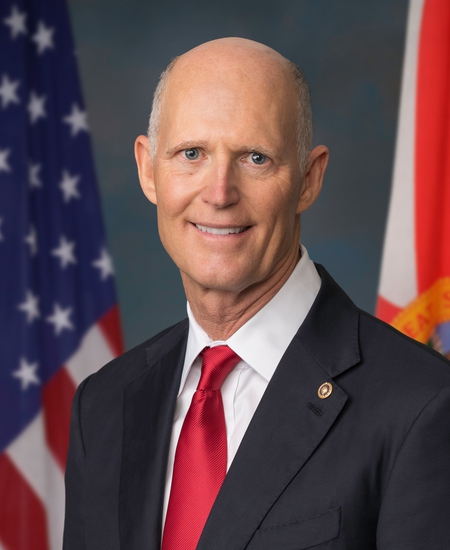
Rick Scott
Rick Scott Senate
R
Oppose
24% 235
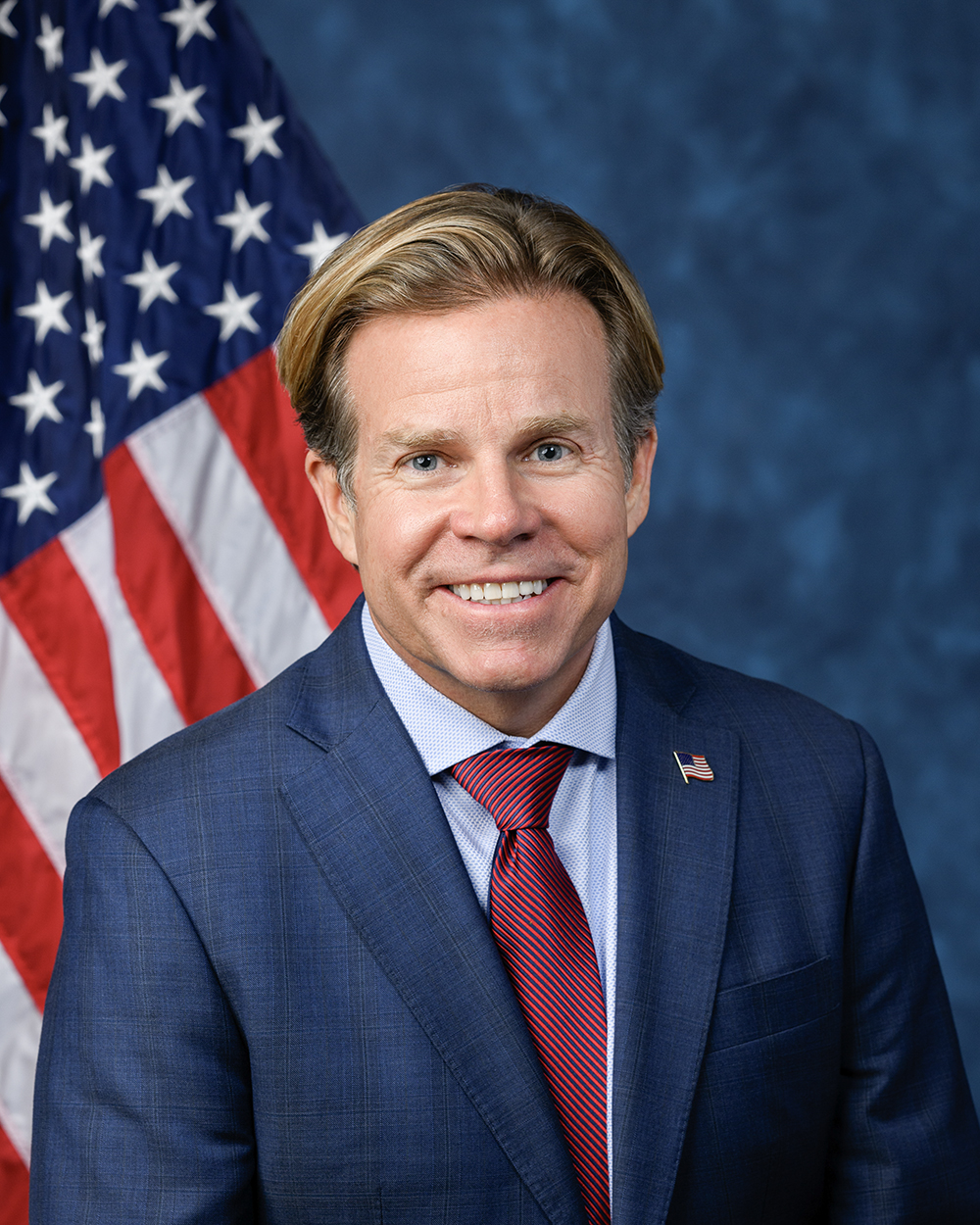
Mike Haridopolos
Mike Haridopolos House · District 8
R
Oppose
30% 301
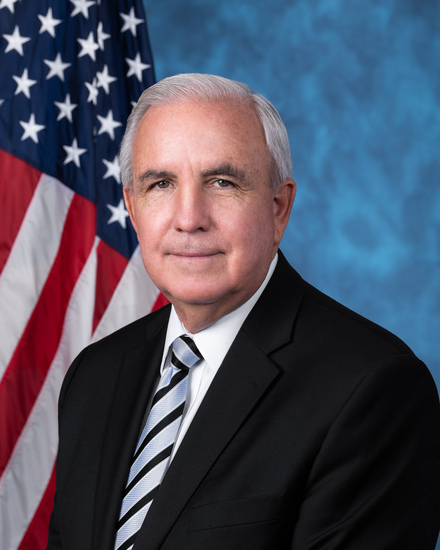
Carlos A. Gimenez
Carlos A. Gimenez House · District 28
R
Oppose
31% 285
Mario Diaz-Balart
Mario Diaz-Balart House · District 26
R
Oppose
32% 293
Showing 1–10 of 293 bills

All environment bills

in committee · United States · House Sep 3, 2026

HR 9497: Water Resources Development Act of 2026

This bill, titled the Water Resources Development Act of 2026, authorizes the U.S. Army Corps of Engineers to improve rivers, harbors, and water resources across the United States while establishing new administrative offices to better manage inland navigation, water supply, and community outreach. It introduces specific mechanisms such as creating a new board for levee owners to advise on flood safety, allowing for categorical permissions to streamline certain environmental reviews, and mandating a prohibition on diverting water from the Missouri River without approval from all relevant state governors. The legislation also authorizes numerous specific projects for flood risk management, ecosystem restoration, and water supply in locations ranging from Alaska to Texas, while simultaneously deauthorizing or modifying older projects that are no longer needed or require changes to better align with current environmental and safety standards.
in committee · United States · House Sep 10, 2026

HRES 1524: Expressing support for the designation of the week of September 19 through September 26, 2026, as "National Estuaries Week".

This House resolution expresses support for designating the week of September 19 through September 26, 2026, as National Estuaries Week to raise public awareness about the importance of these coastal ecosystems. The bill highlights that estuaries support a significant portion of the U.S. population and economy while providing critical services such as flood control, water filtration, and habitat for fish and wildlife. It acknowledges ongoing threats to estuary health, including pollution and sea level changes, and recognizes the efforts of government agencies, organizations, and individuals working to protect and restore these areas.
in committee · United States · House Jul 23, 2026

HR 9901: To provide that the final rule of the United States Fish and Wildlife Service and National Oceanic and Atmospheric Administration titled "Rescinding the Definition of 'Harm' Under the Endangered Species Act" shall have no force or effect.

This bill would invalidate a final rule issued by the U.S. Fish and Wildlife Service and the National Oceanic and Atmospheric Administration that rescinded the definition of "harm" under the Endangered Species Act. By declaring that the 2026 rule has no force or effect, the legislation aims to restore the previous legal interpretation of how actions can harm protected species. This change directly affects entities subject to the Endangered Species Act by reinstating the broader regulatory framework for protecting endangered and threatened wildlife.
in committee · United States · House Jul 23, 2026

HR 9892: Stop EU Overreach Act

The Stop EU Overreach Act directs the United States Trade Representative to initiate a formal investigation within 30 days of enactment to determine if specific European Union environmental and sustainability regulations unfairly burden American commerce. These targeted measures include rules on corporate sustainability due diligence, reporting, deforestation traceability, and carbon border adjustments that apply to US companies based on their operations or supply chains outside the EU. If the investigation concludes that these foreign practices are unreasonable or discriminatory, the USTR is authorized to take retaliatory actions such as imposing duties on imports from EU member states or suspending trade agreement benefits. The bill includes a sunset provision that terminates its requirements for any specific EU measure once the USTR certifies that the European Union has repealed the rule or entered into a binding agreement to exempt US persons from its extraterritorial obligations.
in committee · United States · House Jul 21, 2026

HR 9807: Americans vs. Poisonous Pesticides Act

The Americans vs. Poisonous Pesticides Act amends federal pesticide laws to allow state courts to hear lawsuits alleging that pesticide labels fail to warn about health or environmental risks. It clarifies that a pesticide's federal registration and label approval do not automatically block these state claims, though they serve as initial evidence of compliance. The bill also permits companies to update their product labels to address new safety information without waiting for prior government approval, subject to potential review by the agency. These changes apply to both new lawsuits and cases already in progress, ensuring that federal rules do not limit existing state legal remedies for damages or injunctive relief.
in committee · United States · House Aug 6, 2026

HR 10063: Green New Deal for Public Housing Act

The Green New Deal for Public Housing Act directs the Department of Housing and Urban Development to provide grants to public housing agencies and tribal entities for the comprehensive rehabilitation, energy upgrades, and modernization of public housing stock. These funds are intended to transform properties into zero-carbon homes by installing renewable energy systems, electrifying appliances, and repairing infrastructure, while also establishing workforce development programs that offer training, apprenticeships, and stipends to residents and local low-income workers. The bill mandates strict labor standards, including prevailing wages and the use of U.S.-made materials, and requires agencies to maintain or increase the total number of public housing units while prioritizing resident participation through elected councils and community engagement processes.
in committee · United States · House Aug 10, 2026

HR 10073: Critically Endangered Animals Conservation Act of 2026

The Critically Endangered Animals Conservation Act of 2026 establishes a dedicated fund within the existing Multinational Species Conservation Fund to provide competitive grants for the protection of animal species classified as endangered or critically endangered by the International Union for Conservation of Nature. The Secretary of the Interior will manage this program, awarding financial assistance to foreign wildlife authorities and qualified organizations to support projects such as habitat restoration, illegal trade enforcement, and scientific research aimed at recovering wild populations outside the United States. To ensure accountability and effectiveness, grant recipients must submit periodic progress reports that are generally made available to the public, while specific restrictions prohibit the use of funds for captive breeding unless it is strictly necessary for releasing animals back into the wild. The legislation authorizes $5 million per year in appropriations from fiscal years 2027 through 2032 and requires the Secretary to report on the program's results to Congress every two years.
Sub-Topics Conservation Wildlife
in committee · United States · Senate Aug 4, 2026

S 5230: Make SWAPs Efficient Act of 2026

The Make SWAPs Efficient Act of 2026 amends the Pittman-Robertson Wildlife Restoration Act to establish a mandatory 180-day deadline for the federal Secretary to approve state wildlife conservation and restoration programs. To prevent funding delays, the bill requires the Secretary to conditionally authorize these programs immediately upon submission and set aside the associated financial amounts while the review process is ongoing. Additionally, the legislation mandates that the Secretary develop a streamlined process with states to ensure timely reviews and prioritizes these approvals as a congressional intent. If the federal agency fails to approve a state's plan within the specified timeframe, the Secretary must submit a report to relevant congressional committees explaining the delay.
in committee · United States · House Aug 6, 2026

HR 10069: Military Readiness Through Resilient Lands Act

The Military Readiness Through Resilient Lands Act amends the Sikes Act to require the Department of Defense to develop standardized metrics for assessing natural resources on military installations, with a focus on mission readiness, climate resilience, and community safety. The bill mandates the use of advanced technologies, such as remote sensing and artificial intelligence, to collect data on biodiversity, water quality, wildfire risk, and other ecosystem services. Military leaders must use this data to set measurable goals for maintaining or improving environmental conditions and to regularly update their integrated natural resources management plans. Additionally, the Secretary of Defense is required to submit reports to Congress every five years detailing progress in implementing these metrics and how they streamline environmental permitting processes.
Sub-Topics Forestry Water Quality
in committee · United States · House Jul 27, 2026

HR 9962: Green New Deal for Health Act

The Green New Deal for Health Act establishes a comprehensive federal framework to address the health impacts of climate change by creating new offices, expanding funding, and mandating specific actions across the health care sector. It directly affects hospitals, medical facilities, health care workers, and communities, with a specific focus on protecting environmental justice and low-income populations from climate-related health risks. Key provisions include the creation of an Office of Climate Change and Health Equity to develop a national strategic plan, requirements for hospitals to provide extended notice before closing or reducing essential services, and significant grants to upgrade medical facilities for climate resilience. The bill also mandates that the health care sector reduce its own carbon emissions through new disclosure rules for medical supplies and grants for green manufacturing, while simultaneously funding education to train health professionals on climate-related health threats. Additionally, the legislation authorizes Medicare coverage for home resiliency services, such as heat pumps and solar batteries, for individuals at risk during climate disasters, and allocates billions of dollars to expand the community health workforce and support mental health resilience programs.
Showing 1 to 10 of 293 bills
1 2 3 30 Next