Maddy summarySenate Resolution 376 clarifies the existing requirement for business attire on the Senate floor, specifying that men must wear a coat, tie, and long pants. The resolution designates the Senate Sergeant at Arms to enforce this dress code and mandates that any future changes to the rule require a two-thirds vote of all senators. This procedural resolution formalizes current standards without altering them, ensuring consistency in Senate decorum.
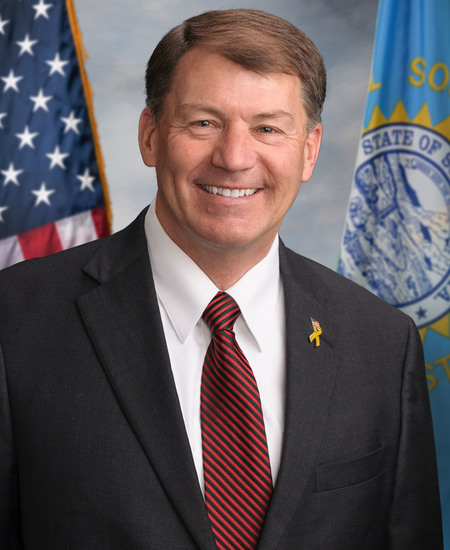
Sen. Mike Rounds
Sponsored bills
Maddy summaryThis bill requires standardized presentations about Department of Veterans Affairs (VA) benefits during preseparation counseling for service members transitioning from military to civilian life. It mandates that these presentations be reviewed by the VA and veterans service organizations before use, include information on how to file claims, and cannot promote specific organizations. The VA must also submit annual reports to Congress detailing which veterans service organizations participated, attendance numbers, and recommendations for improvement. The bill directly affects service members receiving transition assistance, ensuring they receive consistent, accurate information about VA benefits.
Maddy summaryThis bill allows federally recognized tribes and tribal organizations to directly administer their own Supplemental Nutrition Assistance Program (SNAP) benefits using existing self-determination contracting frameworks. It enables tribes to enter agreements with the U.S. Department of Agriculture (USDA) to plan, conduct, and manage SNAP services for tribal members, rather than relying on state agencies. The bill modifies the Indian Self-Determination Act to include SNAP under tribal self-governance authority, requiring USDA to use the same contract terms and procedures as for other tribal programs. This change directly affects tribes seeking greater control over their food assistance programs, aligning SNAP administration with tribal self-determination principles.
Maddy summaryS 2895, the Adoption Tax Credit Refundability Act of 2023, makes the federal adoption tax credit refundable. This change directly affects low-income adoptive parents who previously could not claim the credit if they owed no federal income tax. The bill restructures the credit in the tax code to allow families to receive it as a direct payment, even if their tax liability was zero. It applies to taxable years beginning after December 31, 2022, and includes a transitional rule for credits carried forward from prior years. The law does not alter the credit amount or eligibility criteria, only its refundability.
Maddy summaryThis bill delays the implementation of a 2016 federal rule governing sheep and goat imports for one year. It requires the Secretary of Agriculture to study the rule's potential economic impacts, including import volumes, regional market effects, pandemic influences, and effects on U.S. producers and animal health. The study must assess costs, benefits, and risks before the Secretary submits a report to Congress with recommendations for modifying the rule. The delay and study directly affect U.S. sheep/goat producers, importers, and federal agencies managing livestock regulations.
Maddy summaryS 2911, the "Protecting the Right To Keep and Bear Arms Act of 2023," prevents federal officials from using emergency declarations to impose gun control. It bans the President from declaring emergencies under the National Emergencies Act or the Stafford Act for gun control purposes, and stops the Health and Human Services Secretary from declaring public health emergencies for the same reason. The bill also amends the Stafford Act to explicitly prohibit emergency declarations that would restrict firearm possession, sale, or transfer of firearms, ammunition, or related accessories. This directly affects how federal emergency powers can be used during crises, limiting actions that could impact gun rights under the Second Amendment.
Maddy summaryThis bill requires the Federal Aviation Administration (FAA) to hire the maximum number of new air traffic controllers each year from 2024 through 2028, based on the training capacity of the FAA Academy. It directly affects the FAA, which must set annual hiring targets aligned with its ability to train new controllers. The law does not change existing hiring rules but mandates that the FAA utilize its full training capacity each year for new controller hires during this period. It excludes certain individuals specified under federal law, but the core provision focuses on maximizing new controller recruitment within available training resources.
Maddy summaryThe Pay Our Military Act of 2023 ensures that military personnel, Defense Department civilians supporting them, and qualifying Defense contractors continue receiving pay during any funding gap in fiscal year 2024. It appropriates funds from the Treasury to cover military pay, allowances, and support staff salaries when regular budget legislation is delayed. The funding remains available until either a full budget is passed, a continuing resolution is enacted, or January 1, 2025, whichever occurs first. This bill directly affects active-duty service members, reserve components, Defense civilians, and contracted support staff by guaranteeing their compensation during fiscal uncertainty.
Maddy summaryThis bill requires the U.S. Fish and Wildlife Service (USFWS) and National Oceanic and Atmospheric Administration (NOAA) Fisheries to withdraw three specific proposed rules related to the Endangered Species Act. The rules would have changed how species are listed, habitats designated, and interagency cooperation is handled under the Act. The bill prohibits these agencies from finalizing, implementing, or enforcing the withdrawn proposals. It directly affects federal agencies' regulatory process for endangered species protection, halting these specific rulemaking efforts.
Maddy summaryThe SSI Savings Penalty Elimination Act raises the asset limits for Supplemental Security Income (SSI) eligibility, allowing more savings without reducing benefits. It increases the individual resource limit from $2,250 to $20,000 (and couples from $1,500 to $10,000) in 2023, with future increases tied to inflation. The bill automatically adjusts these limits annually using the Consumer Price Index to maintain purchasing power. This directly affects low-income elderly, disabled, and blind individuals who rely on SSI by reducing the financial penalty for saving modest amounts.