Continuing Emergency Support for Restaurants Act This bill provides an additional $48 billion in FY2021 for the Restaurant Revitalization Fund and designates specified amounts for fund administrative expenses and audits of grants made from the fund. The fund was established in response to COVID-19 to make grants to eligible food and beverage purveyors for covering specified costs such as payroll, operational expenses, and paid sick leave. The bill designates the funding as emergency spending, which is exempt from discretionary spending limits.
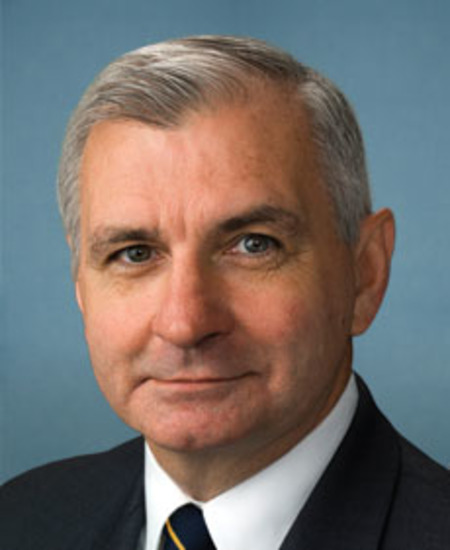
Sen. Jack Reed
Sponsored bills
Maddy summaryThis resolution (SRES 551) is a symbolic recognition, not a policy change. It honors AmeriCorps members, alumni, and AmeriCorps Seniors volunteers for their service across the U.S., including helping vulnerable communities, supporting education, and responding to emergencies. The Senate encourages the public to salute these volunteers during AmeriCorps Week and promotes national service as a way to strengthen communities. It does not create new programs, funding, or legal requirements.
"Six Triple Eight" Congressional Gold Medal Act of 2021 This bill provides for the award of a Congressional Gold Medal to the women of the 6888th Central Postal Directory Battalion (commonly known as the Six Triple Eight) in recognition of their pioneering military service, devotion to duty, and contributions to increase the morale of personnel stationed in the European theater of operations during World War II.
Big Oil Windfall Profits Tax Act This bill imposes an excise tax on the windfall profits of crude oil on taxpayers who extracted and imported more than 300,000 barrels (a barrel equals 42 U.S. gallons) of taxable crude oil (i.e., crude oil, crude oil condensates, and natural gasoline) in 2019, or who extracted and imported that amount in the current calendar quarter. The bill requires rebates of the tax collected to be paid to individual taxpayers. The bill establishes the Protect Consumers from Gas Hikes Fund to finance such rebates.
Adjustable Interest Rate (LIBOR) Act This bill provides for the transition of certain financial contracts away from the London Interbank Offered Rate (LIBOR), a reference interest rate based upon the lending terms certain banks offer to each other for various lengths of time. LIBOR is set to be retired in 2023. Various financial contracts reference LIBOR as a benchmark for prevailing interest rates and use LIBOR in calculating certain payments or obligations. In the event a contract referencing LIBOR does not have a fallback or replacement rate provision in effect when LIBOR is retired, or a replacement rate is not selected by a determining person as defined by the bill, the bill provides for a transition to a replacement rate selected by the Board of Governors of the Federal Reserve System. The bill also provides for conforming changes to these contracts, the continuity and enforceability of these contracts, and protections against liability as a result of such a transition.
This resolution designates March 2022 as National Women's History Month. The resolution also recognizes the celebration of such month as a time to reflect on the contributions that women have made to the United States.
Arbitration Fairness for Consumers Act This bill deems as invalid or unenforceable a predispute arbitration agreement or joint-action waiver related to a consumer financial product or service.
Comprehensive Access to Resources and Education for Long COVID Act or the CARE for Long COVID Act This bill requires multiple agencies to carry out research and other activities concerning individuals experiencing post-acute sequelae of COVID-19, or PASC, including health disparities related to this condition. PASC refers to persistent, long-term symptoms following recovery from acute COVID-19. First, the bill requires the Patient-Centered Outcomes Research Trust Fund to support a patient registry to collect information on the symptoms, treatments, demographics, and other relevant data of individuals with confirmed or suspected PASC. Second, the Department of Health and Human Services must, along with relevant agencies (1) conduct or support research on the U.S. health care system's response to long-term symptoms of COVID-19; and (2) develop resources about PASC or other post-viral illnesses, including about their potential impact on rights associated with employment, disability status, and education. Third, the Centers for Disease Control and Prevention must disseminate information about the common symptoms, treatment options, and other topics that pertain to PASC and related post-infectious illnesses. Fourth, the Centers for Medicare & Medicaid Services must expand its Chronic Conditions Data Warehouse to collect data on items and services furnished through Medicaid or the Children's Health Insurance Program to individuals who experience PASC. Last, the Administration for Community Living must award grants or contracts to states, health care providers, legal services providers, and other eligible entities for expanding access to legal assistance for individuals with PASC.
American Innovation and Choice Online Act This bill prohibits certain large online platforms from engaging in specified acts, including giving preference to their own products on the platform, unfairly limiting the availability on the platform of competing products from another business, or discriminating in the application or enforcement of the platform's terms of service among similarly situated users. Further, a platform may not materially restrict or impede the capacity of a competing business user to access or interoperate with the same platform, operating system, or hardware or software features. The bill also restricts the platform's use of nonpublic data obtained from or generated on the platform and prohibits the platform from restricting access to platform data generated by the activity of a competing business user. The bill also provides additional restrictions related to installing or uninstalling software, search or ranking functionality, and retaliation for contact with law enforcement regarding actual or potential violations of law. The bill establishes affirmative defenses for the prohibited conduct. The Federal Trade Commission and the Department of Justice must designate whether an entity is a platform covered by the bill, and both must carry out enforcement activities. The bill also provides for civil penalties, injunctions, and the forfeit of profits for repeat offenders.
This bill designates the facility of the United States Postal Service located at 42 Main Street in Slatersville, Rhode Island, as the Specialist Matthew R. Turcotte Post Office.