

Maddy summaryThe SCREENS for Cancer Act of 2025 reauthorizes and strengthens the National Breast and Cervical Cancer Early Detection Program (NBCCEDP), which provides free or low-cost screening and diagnostic services to low-income, uninsured, or underinsured women. The bill increases annual funding to $235 million for fiscal years 2026-2030, expands the program’s focus to include cancer prevention alongside detection and control, and adds specific requirements to reduce health disparities and improve access for underserved populations. Key provisions include updated guidelines for follow-up care, enhanced patient navigation services, and a requirement for a GAO report by 2027 assessing program eligibility, service trends, and barriers to screening. The program directly serves women across all 50 states, the District of Columbia, territories, and tribal organizations, building on its existing record of providing over 16.5 million screenings to 6.4 million people since 1991.
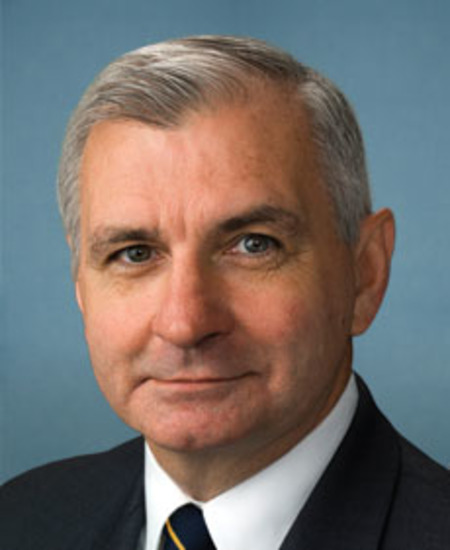
Sen. Jack Reed
Sponsored bills
Maddy summaryThe SMART Prices Act (S 1836) changes how Medicare negotiates drug prices. It increases the number of drugs eligible for negotiation from 15 to 50 per year starting in 2028, shortens the time drugs must be the sole source for eligibility from 7 to 3 years, and adjusts price ceiling percentages for negotiated drugs (e.g., raising the maximum fair price from 75% to 76% for some drugs). These changes directly affect Medicare Part D beneficiaries and pharmaceutical companies by altering the negotiation process and pricing caps. The bill modifies existing Medicare drug pricing rules without creating new programs, applying to initial price negotiations beginning in 2028.
Maddy summaryThis bill increases the age limit for children to remain eligible for medical care under the CHAMPVA program from 21 to 26 years old, regardless of marital status. It directly affects the children of veterans who qualify for CHAMPVA benefits. The key provision amends Section 1781(c) of Title 38, U.S. Code, to extend coverage until a child's 26th birthday. This change applies to medical care provided on or after the bill's enactment date. It does not affect children already covered under specific existing provisions of the law.
Maddy summaryThe Supreme Court Ethics, Recusal, and Transparency Act of 2025 would establish a formal code of conduct for Supreme Court justices and require them to disclose gifts and financial interests. It creates procedures for filing complaints about justices' conduct, including a judicial investigation panel to review allegations of misconduct. The bill expands circumstances requiring justices to recuse themselves from cases, such as when they or their family received gifts from parties involved in a case. These provisions aim to increase transparency and accountability in the Supreme Court's operations, with new disclosure requirements for parties and amici curiae in court cases.
Maddy summaryThis bill prohibits using Department of Defense funds for fiscal years 2025-2026 to buy, modify, restore, or maintain aircraft previously owned by foreign governments or their entities for presidential airlift. It directly affects the Pentagon's budget planning for presidential transportation security by banning foreign-owned aircraft from being used for this purpose. The key provision blocks funding for any aircraft that was previously controlled by a foreign government, ensuring presidential airlift options remain domestically sourced. This is a concrete policy change to restrict foreign involvement in high-level presidential travel security.
Maddy summaryThis resolution (SRES 224) calls for urgent U.S. diplomatic action to address the severe humanitarian crisis in Gaza, where approximately 2.2 million civilians face acute hunger and malnutrition, including 10,000 children identified with acute malnutrition since January 2025. It highlights that Gaza’s borders have been blocked since March 2, 2025, preventing entry of food, medicine, and other lifesaving aid, leading to closed bakeries and exhausted food rations. The Senate resolution specifically urges the White House and State Department to use all available diplomatic tools to end the blockade, secure hostage releases, and achieve a durable conflict resolution. As a non-binding resolution, it does not enact law but formally expresses the Senate’s concern and directs executive branch action.
Maddy summarySRES 220 designates the week of May 11-17, 2025, as "National Police Week" to honor law enforcement officers across the United States. The resolution recognizes officers who have been killed, disabled, or injured in the line of duty, including 234 officers honored for 2024 fatalities and 18 officers killed in 2025. It expresses the Senate’s support for law enforcement, acknowledges the need for adequate resources for officer safety, and encourages public observance to celebrate their service and sacrifices. This is a ceremonial resolution with no new policy or funding changes.
Maddy summaryThis bill amends the Fair Labor Standards Act to prohibit children under 18 from having direct contact with tobacco plants or dried tobacco leaves on farms. It directly affects minors working in tobacco agriculture by adding this restriction to existing labor protections. The key change modifies the law to explicitly exclude tobacco-related farming from exemptions that previously allowed minors in certain manufacturing or mining roles. This creates a clear policy change banning underage labor in direct tobacco handling on farms.
Maddy summaryThis bill amends housing law to ensure disabled veterans' service-connected disability compensation from the VA is excluded when calculating income for housing assistance programs. It directly affects disabled veterans receiving VA disability payments, making them more likely to qualify for low-income housing programs that previously counted their VA benefits as income. The bill requires the Comptroller General to report within one year on how VA benefits are treated across HUD programs and to recommend changes for better veteran support. This creates a concrete policy change in income eligibility rules, with no immediate financial impact on programs beyond the new exclusion.
Maddy summaryS 1668 prohibits senior U.S. government officials - including the President, Vice President, Members of Congress, and Senate-confirmed appointees - from issuing, sponsoring, or endorsing cryptocurrencies, tokens, or stablecoins for profit. It also bans acquiring similar financial interests through derivatives or investment funds, while allowing normal public market trading. Violations face civil penalties of up to 10% of the financial interest's value or profits gained, and criminal charges if losses exceed $1 million or personal financial gain occurs. The law applies during official service and for one year after leaving office.