Maddy summaryHR 764, the Global Health, Empowerment and Rights Act, removes two barriers for foreign nongovernmental organizations (NGOs) seeking U.S. foreign assistance. It ensures these organizations cannot be denied funding solely because they provide health services (like counseling and referrals) using non-U.S. government funds, as long as those services comply with local laws. The bill also requires that foreign NGOs face the same rules on using non-U.S. funds for advocacy and lobbying as U.S. NGOs receiving similar aid. This directly affects international health-focused NGOs working in countries where U.S. aid is provided.
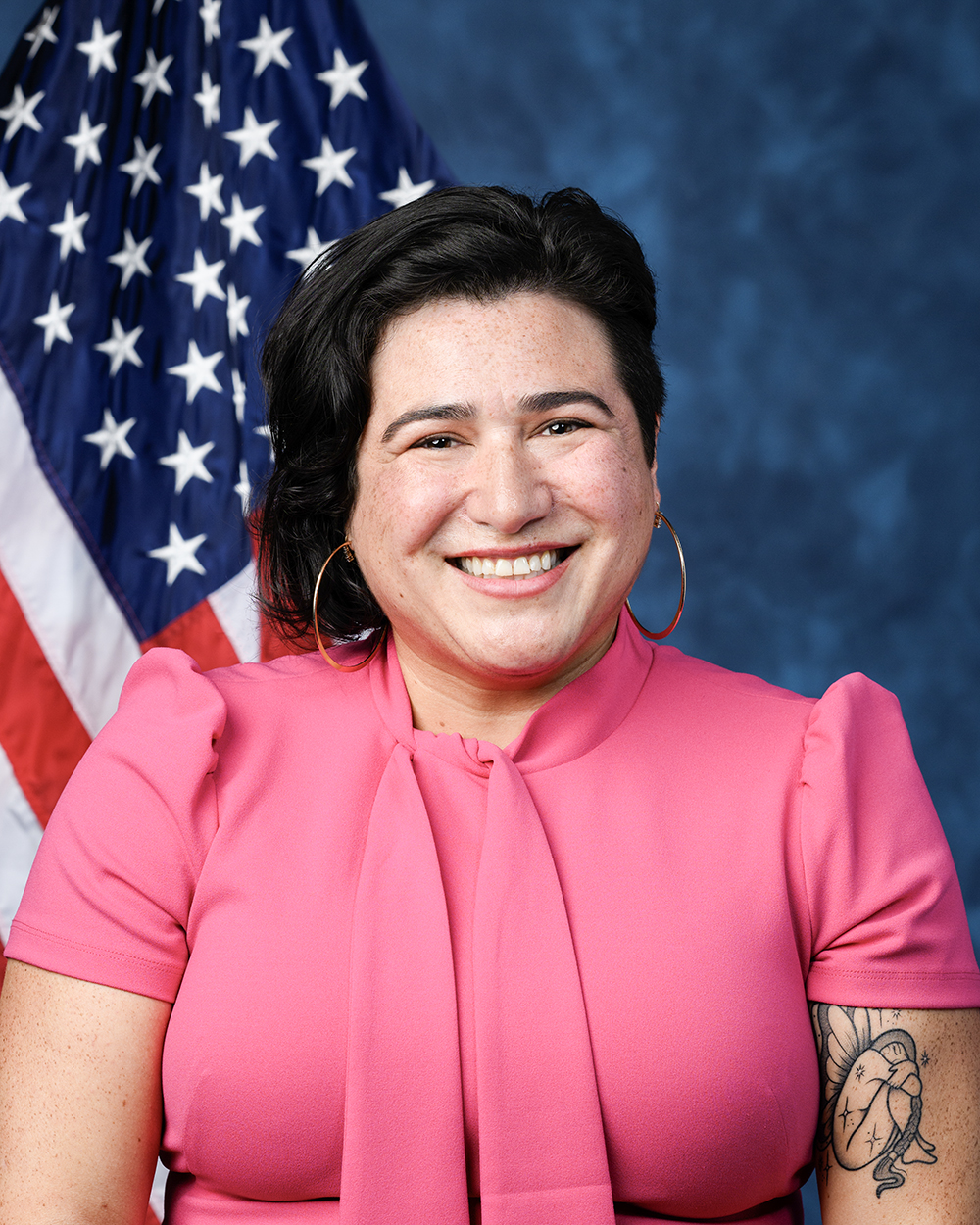
Rep. Emily Randall
Sponsored bills
Maddy summaryHRES 68 is a non-binding House resolution expressing strong disapproval of the President’s announcement to withdraw the U.S. from the Paris Agreement. It commends states, businesses, and citizens supporting the Agreement, urges the President to reverse the withdrawal decision, and calls for Congress to prioritize U.S. climate leadership. The resolution does not create new laws or affect specific groups but formally states the House’s position against withdrawing from the international climate accord. It was introduced by 115 co-sponsors and reflects broad congressional concern about reversing U.S. climate commitments.
Boundary Waters Wilderness Protection and Pollution Prevention Act This bill protects and preserves approximately 225,504 acres of federal land and waters in a specified area in the Rainy River Watershed of Superior National Forest in Minnesota from certain mining, such as sulfide-ore copper mining. (The area is upstream from the Boundary Waters Canoe Area Wilderness.) Specifically, the bill withdraws those acres from entry, appropriation, and disposal under the public land laws; location, entry, and patent under the mining laws; and operation of the mineral leasing, mineral materials, and geothermal leasing laws. However, the Forest Service is authorized to permit the removal of sand, granite, iron ore, and taconite from national forest system lands within such area if the removal is not detrimental to the water quality, air quality, and health of forest habitat within the Rainy River Watershed. Land or interest in land within such area that is acquired by the United States must be immediately withdrawn in accordance with this bill.
Maddy summaryHRES 52 is a symbolic resolution recognizing community organizations and individuals who create and maintain services and educational programs for LGBTQIA+ communities. It does not establish new laws, funding, or policy changes, but formally honors their work in fostering safe spaces and resilience. The resolution cites historical examples like Stonewall and ACT UP, along with statistics on declining LGBTQIA+ venues and hate violence, to underscore the importance of these efforts. It calls for Congress to acknowledge this work through non-binding statements of support.
Maddy summaryThis bill prohibits discrimination based on gender identity, sexual orientation, or sex characteristics in military service. It requires that eligibility for military service and all personnel policies consider only an individual's ability to meet job-specific military standards, banning the use of race, color, national origin, religion, or gender-related factors. The law directly affects all current and prospective members of the Armed Forces by mandating that military occupational standards apply equally to everyone. It amends Title 10 of the U.S. Code to establish these protections as a formal requirement for all military personnel policies.
Maddy summaryThe Prevent Tariff Abuse Act amends the International Emergency Economic Powers Act to prohibit the President from using emergency powers to impose tariffs or import quotas on goods entering the U.S. It adds a specific provision stating the President cannot impose duties, tariffs, or quotas under this law. This directly limits the executive branch's authority during emergencies, preventing the use of emergency powers for trade restrictions. The bill does not affect other trade policies or the President's other emergency authorities.
Maddy summaryHR 433, the Department of Education Protection Act, prohibits the use of federal funds to reorganize the Department of Education. Specifically, it blocks any spending from current fiscal year appropriations on activities that would decentralize the department, reduce staffing, or alter its structure, responsibilities, or authority relative to its organization as of January 1, 2025. The bill directly affects the Department of Education by preventing structural changes to its existing offices and operations. This is a procedural measure focused solely on preserving the current departmental framework, not on changing education policy or funding.
Maddy summaryHR 447, the Reliability for Ratepayers Act, modifies the Bonneville Power Administration's (BPA) compensation rules to help retain and hire staff. It requires BPA's administrator to create a compensation plan based on industry surveys, ensuring pay for employees - including senior staff - is competitive with similar roles at Western U.S. consumer-owned utilities. The plan must be reviewed annually, updated as needed, and published, with specific salary thresholds disclosed publicly. This bill directly affects BPA employees and its administrator, granting exemptions from standard federal civil service pay rules to implement the new framework. It does not change electricity rates or reliability for consumers, as the title may suggest.
Maddy summaryHR 391, the "Extend the TikTok Deadline Act," extends the deadline for TikTok to comply with the Protecting Americans from Foreign Adversary Controlled Applications Act. It amends Section 2(a)(2)(A) of that law by changing the required compliance period from 270 days to 540 days. This extension directly affects TikTok and similar apps subject to the Act, giving them more time to address national security concerns raised by the original deadline. The bill makes a specific procedural change to the existing law without altering its core requirements.
Maddy summaryThe TRUST in Congress Act requires current and new Members of Congress, along with their spouses and dependent children, to place certain investments - such as stocks, commodities, and derivatives - into a blind trust within 90 to 180 days of taking office. It excludes U.S. Treasury securities and widely held mutual funds from this requirement and exempts investments tied to a spouse’s or dependent child’s primary job. Members must certify the trust’s setup to the House Clerk or Senate Secretary within 15 days, with these records posted publicly online. The act also prohibits dissolving such trusts until 180 days after a member leaves office.