

Maddy summaryThe Fair Seeds for Farmers Act limits intellectual property protections for plants, specifically preventing patents from being granted on plant varieties, germplasm, or other biological materials used for breeding and research. Under this bill, farmers and researchers would be unable to face legal enforcement for contractual agreements that restrict their ability to save seeds, conduct experiments, or propagate plants, provided they are not using the Plant Variety Protection Act or the Plant Patent Act. The law applies to patent applications and contracts created on or after its enactment, while leaving existing patents valid if they were filed before the bill takes effect. This measure aims to ensure that plant-related research and traditional farming practices remain free from restrictive patent claims.
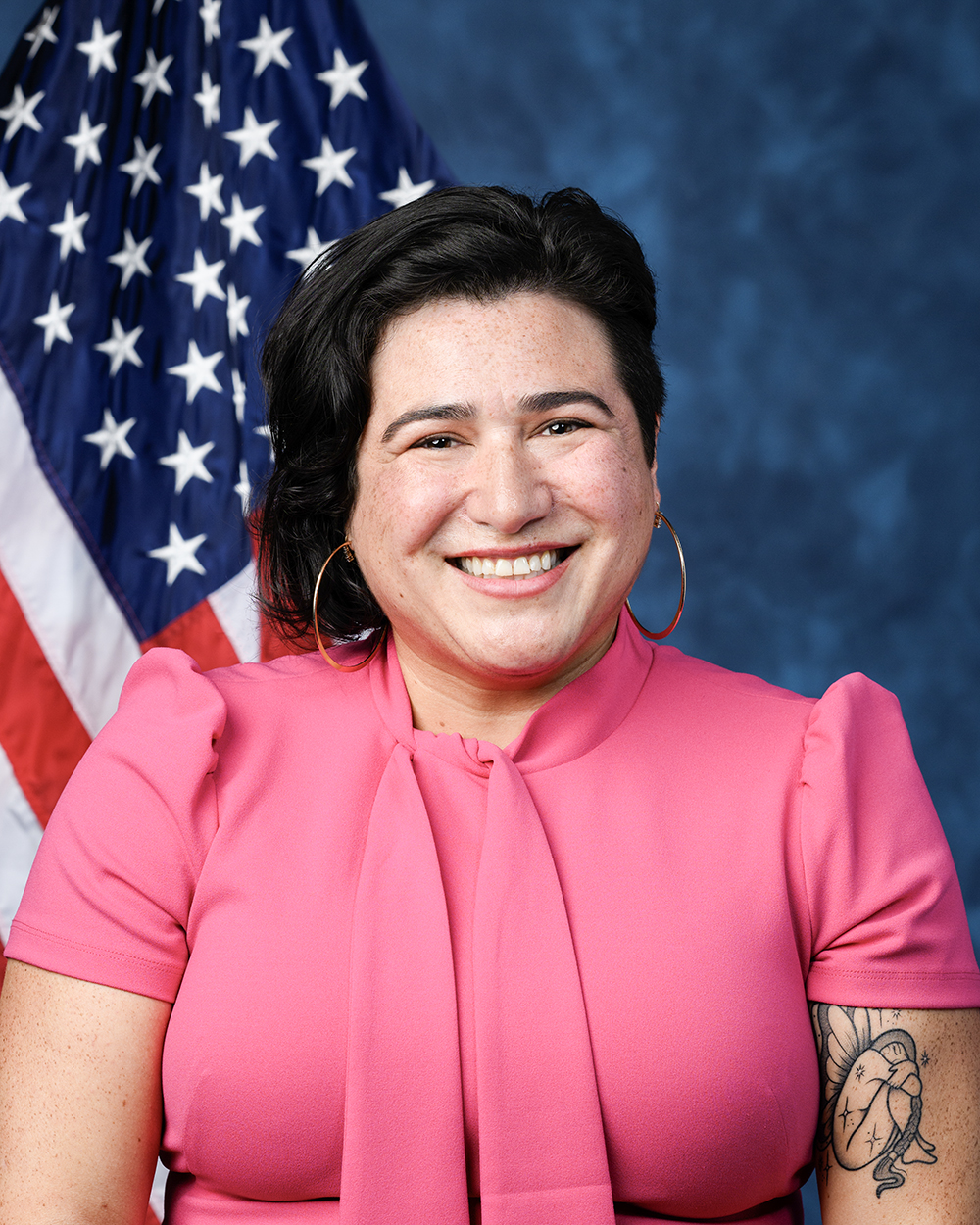
Rep. Emily Randall
Sponsored bills
Maddy summaryThe Menopausal Workers' Fairness Act of 2026 expands federal employment protections to explicitly cover workers experiencing menopause and related symptoms, requiring employers with 15 or more employees to provide reasonable accommodations unless doing so causes significant business hardship. Under this bill, it would be illegal for employers to discriminate against or retaliate against qualified employees who request accommodations for issues such as hot flashes, fatigue, or mood changes, while also mandating that medical information regarding these conditions remains confidential. The legislation includes a specific list of low-cost adjustments, such as allowing extra restroom breaks or flexible sitting and standing, that employers must grant without requiring extensive documentation. Enforcement and legal remedies for violations will follow the same procedures currently used for age and disability discrimination claims, and the Equal Employment Opportunity Commission is tasked with issuing detailed regulations within a year of the law's passage.
Maddy summaryThis resolution expresses support for reproductive justice as the United States approaches its 250th anniversary. It defines reproductive justice as the right to have children, not have children, and raise them in safe communities, emphasizing that these rights should not depend on race, income, or location. The document calls for policies that ensure universal access to comprehensive healthcare, including abortion and contraception, while condemning the criminalization of pregnancy outcomes and forced sterilization. Additionally, it advocates for universal paid family leave, affordable childcare, and medically accurate sex education to support families. Ultimately, the resolution frames reproductive freedom as a fundamental human right and a cornerstone of democracy rather than a privilege.
Maddy summaryThis resolution expresses support for designating July 10th as Journeyman Lineworkers Recognition Day to honor the workers who maintain the nation's electrical grid. The bill specifically recognizes the dangerous conditions these employees face, such as working at heights near live power lines and responding to disasters like hurricanes and wildfires. It also commemorates Henry Miller, the first president of the International Brotherhood of Electrical Workers, who died on July 10, 1896, while performing his duties. Ultimately, the measure encourages the public to observe this day with reflection on the contributions of lineworkers.
Maddy summaryThe No PFAS in Cosmetics Act prohibits the sale of cosmetics in the United States if they contain intentionally added perfluoroalkyl or polyfluoroalkyl substances. This ban specifically targets fluorinated chemicals that manufacturers add to products for a functional or technical purpose, as well as certain breakdown products of those chemicals. The regulation will take effect on January 1, 2027, applying to all cosmetic products and their packaging. Additionally, the bill repeals a previous provision from the Modernization of Cosmetics Regulation Act of 2022 to ensure consistency with this new restriction.
Maddy summaryThis bill establishes a new Office for Civil Rights and Civil Liberties within the Department of Homeland Security, led by an Officer who reports directly to the department head. The Office is tasked with overseeing compliance with civil rights laws, reviewing potential abuses or profiling by employees, and integrating these protections into all department policies and programs. It grants the Officer authority to investigate complaints, issue public reports on findings, and coordinate with other officials to ensure diverse communities are engaged effectively. Additionally, the legislation requires each major department unit to have its own civil rights officer and mandates annual reporting to Congress on the Office's activities and progress.
Maddy summaryThis resolution commemorates the 250th anniversary of the United States by reaffirming the nation's historical commitment to separating church and state. It highlights key constitutional principles, such as the First Amendment and the prohibition of religious tests for public office, which protect individual religious freedom and prevent government endorsement of specific beliefs. The document cites historical figures like Thomas Jefferson and James Madison to underscore the importance of maintaining a secular government that safeguards religious pluralism. Ultimately, the measure serves as a formal statement of values rather than a law that changes existing policies or imposes new requirements.
Maddy summaryThe Fresh Bucks for Fresh Produce Act establishes a five-year pilot program where the Department of Agriculture provides grants to states to offer monthly $60 payments to low-income households for purchasing fresh fruits and vegetables. To qualify, households must earn 80 percent or less of the area median income, though those already receiving SNAP benefits can enroll with minimal paperwork. The funds can only be used at specific retailers like farmers markets and grocery stores to buy fresh produce, and states must use these grants to cover administrative costs and support local community organizations. The bill requires states to prioritize food-insecure areas and ensures geographic diversity by awarding grants to at least one state in each major U.S. region. Additionally, the program mandates a study to collect data on participant outcomes and barriers to access, with final results and recommendations for expansion due within five years.
Maddy summaryHRES 1405 is a non-binding resolution that encourages the U.S. House of Representatives to recognize June as LGBTQIA+ Pride Month. The document acknowledges the historical significance of events like the Stonewall Inn uprising and highlights the ongoing struggle for equality faced by lesbian, gay, bisexual, transgender, queer, intersex, and asexual individuals. It includes a detailed list of historical milestones and legislative achievements related to LGBTQIA+ rights to provide context for the celebration. Because this measure is a resolution of recognition rather than a law, it does not create new legal obligations or change federal policy.
Maddy summaryThis bill, titled the Encouraging Public Service in Our National Parks and Public Land Act, requires the Secretary of the Interior to make specific federal recreational lands and waters free of admission fees on designated dates throughout the year. The key provision mandates that these free access days include Martin Luther King Jr. Day, the first day of National Park Week, Juneteenth, Great American Outdoors Day, National Public Lands Day, and Veterans Day. Additionally, the legislation grants the Secretary the authority to establish extra fee-free days beyond those listed. These changes directly affect visitors to national parks and other federal recreational areas by providing them with guaranteed free entry on these holidays and observances.