Maddy summaryHR 4398, the Veteran Burial Timeliness and Death Certificate Accountability Act, requires Veterans Affairs (VA) physicians or nurse practitioners to certify the death of a veteran who dies of natural causes within 48 hours of learning of the death. This directly affects veterans' families, who previously faced delays of up to eight weeks in burial and access to survivor benefits due to slow death certifications. The bill mandates annual reports to Congress on VA compliance with the 48-hour rule, including statistics on delays and their causes. The key change is establishing a strict timeline for death certification to prevent unnecessary delays in honoring veterans' final arrangements.
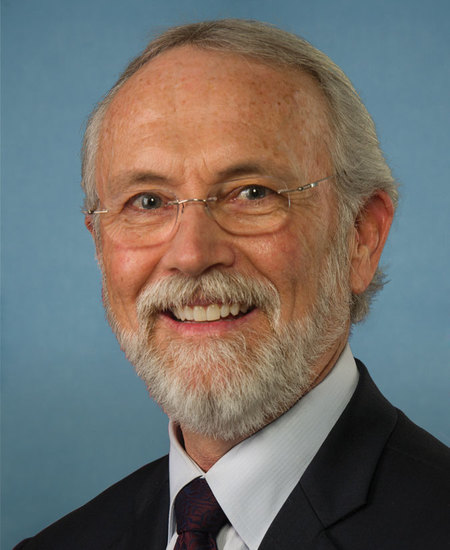
Rep. Dan Newhouse
Sponsored bills
Maddy summaryThe Hydropower Licensing Affordability Act amends the Federal Power Act to modify how federal licenses for hydropower projects are issued. Specifically, it requires that license conditions include measures to reasonably mitigate direct adverse effects on federal reservations and fish populations within applicable river systems. These changes aim to ensure that new or existing hydropower projects address environmental impacts on protected lands and aquatic species before a license is granted. The bill directly affects hydropower project developers and federal agencies responsible for licensing and environmental oversight.
Repealing Big Brother Overreach Act This bill repeals the Corporate Transparency Act. The act requires existing companies and newly created companies to report beneficial ownership information to the Department of the Treasury’s Financial Crimes Enforcement Network for purposes of addressing the financing of terrorism and money laundering.
Maddy summaryThe Abraham Accords Expansion Act of 2026 updates the legal framework for the Special Envoy to include Central Asia and the Caucasus in normalization efforts alongside existing regions. This change formally recognizes Kazakhstan as the first Central Asian nation to join the Abraham Accords and defines specific countries within the Caucasus and Central Asia regions. The bill requires the Special Envoy to coordinate with other federal agencies like Defense and Commerce while implementing these goals using existing authorities without requesting new funding. Additionally, the act allows the Special Envoy to appoint a Deputy Special Envoy with relevant regional expertise to assist in these expanded diplomatic activities.
Maddy summaryThis bill, titled the Enhanced Alerts for Missing Loved Ones with Disabilities Act of 2026, aims to improve how law enforcement and other agencies respond to missing adults and children with specific disabilities. It directly affects individuals diagnosed with developmental disabilities, Alzheimer's disease, dementia, or other mental and physical conditions, as well as the organizations tasked with locating them. The legislation updates existing federal laws to require that missing person alerts explicitly include information about these diagnoses and mandates new training programs for responders on how to handle cases involving these vulnerable populations. By making these changes to current statutes, the bill ensures that search efforts are better tailored to the unique needs of people with cognitive or developmental impairments.
Maddy summaryThis bill, known as the Robert Lodge Medal of Honor Act, authorizes the President to award the Medal of Honor to Robert Lodge. It directly affects Lodge by recognizing his acts of valor as an Air Force member during the Vietnam War on May 10, 1972. The legislation specifically overrides existing time limits that usually prevent such awards decades after service. By doing so, it ensures Lodge receives the nation's highest military decoration for his bravery.
Maddy summaryHR 1041, the Veterans 2nd Amendment Protection Act, prevents the Department of Veterans Affairs (VA) from automatically sending veterans' personal information to the national background check system (NICS) solely because a court has appointed a fiduciary (like a guardian) to manage their benefits. This directly affects veterans who have a fiduciary appointed due to mental health or cognitive challenges but are not deemed a danger to themselves or others. The bill requires a court order finding the veteran poses a danger before any such information can be shared with the NICS. It changes VA procedures to block unnecessary barriers to firearm ownership for veterans who qualify for fiduciary support without a judicial determination of danger.
Maddy summaryHRES 1314, the America 250 Commemorative Flag Act, designates a special flag featuring the number 250 within the circle of stars as an official United States flag for the 250th anniversary of the Declaration of Independence. This resolution authorizes the America 250 flag to be flown alongside the national flag and POW/MIA flags at all government buildings, embassies, and official U.S. locations worldwide during the commemoration year. The bill serves as a ceremonial measure to honor the nation's history and the sacrifices made by patriots, without altering any existing laws or policies.
Maddy summaryThis bill allows rural hospitals serving military and tribal families to be designated as critical access hospitals even if they do not currently meet standard financial criteria. Starting in October 2026, facilities can qualify for this status if they serve at least three specific conditions, such as deriving a significant portion of their revenue from TRICARE-covered patients or being located on an Indian reservation. The legislation also permits these hospitals to establish psychiatric and rehabilitation units without being limited by the usual bed count restrictions. These changes aim to improve healthcare availability for service members, their dependents, and veterans living in rural areas by expanding the number of eligible facilities.
Maddy summaryThis bill, known as the Forest Health and Wildfire Risk Reduction Act, allows the Bureau of Land Management to skip certain environmental reviews for specific small-scale forest treatments. It designates tree density modification projects under 5,000 acres as exempt from preparing environmental assessments or impact statements, provided they do not involve clearcutting or converting forests into non-forest vegetation. The exemption covers activities like selective tree removal, chipping, and burning fuel piles, which may include building up to five miles of new permanent roads or temporary access routes. To ensure environmental protection, the bill requires agencies to document how these projects address concerns such as erosion, soil compaction, and the preservation of snags and riparian areas.