Maddy summaryThe GRACE for Military Survivors Act extends the deadline for contributing military death benefits to Roth IRAs and Coverdell education savings accounts from one year to three years. This change directly benefits families of service members who receive these death benefits, giving them more time to save for retirement or education. The law applies to benefits received after the bill is enacted and includes a special rule allowing contributions made within a specific window for benefits received between 2001 and the enactment date. By amending the Internal Revenue Code, the bill ensures that eligible funds can be deposited into these tax-advantaged accounts without losing their value due to time limits.
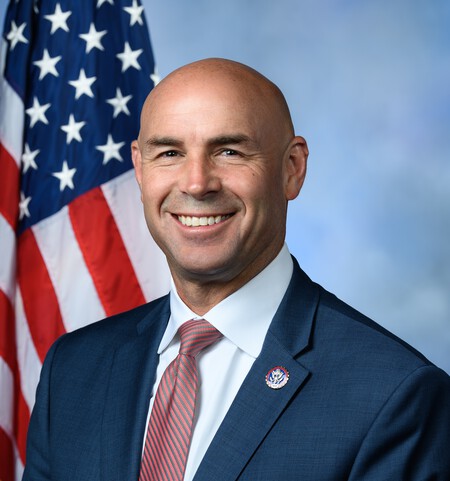
Rep. Jake Ellzey
Sponsored bills
Maddy summaryThis bill authorizes Congress to award a Congressional Gold Medal to individuals who fought for or with the United States in the Pacific theater during World War II and subsequently became prisoners of war. The legislation specifically recognizes the service and sacrifice of those who defended locations such as Bataan and Corregidor, including Filipino soldiers and civilians who served alongside U.S. forces. To implement this award, the Speaker of the House and the President pro tempore of the Senate will arrange for the creation of a gold medal by the Secretary of the Treasury, which will be presented to the Smithsonian Institution for display. The act also allows for the production of duplicate bronze medals to cover the costs of the original gold medals, with any proceeds from these sales deposited into the United States Mint Public Enterprise Fund.
Maddy summaryThis bill redesignates the existing National Parks and Public Land Legacy Restoration Fund as the America's Legacy Restoration Fund to address deferred maintenance on federal lands. It directs revenue from recreation fees and a portion of energy development income into the fund, which must be used primarily for repairing critical infrastructure like roads, trails, and buildings managed by agencies such as the National Park Service and the Forest Service. The legislation establishes strict rules requiring that most funds go toward non-transportation projects, mandates transparency through public dashboards tracking project status, and sets aside a small percentage for matching private donations. Additionally, the bill increases entrance fees for foreign visitors to ensure they contribute to the fund, while prohibiting the use of these specific funds for land acquisition or employee bonuses.
Maddy summaryHR 7396 establishes the Office of Native American Affairs within the Small Business Administration to specifically support Native American entrepreneurs and tribal economic development. The Office targets programs to help small businesses owned by tribal members and promotes economic growth in Indian country, providing culturally tailored assistance like training, counseling, and access to capital. It requires an appointed Assistant Administrator with tribal expertise to develop policies, collaborate with federal agencies, and provide grants to tribes or tribal organizations for outreach programs. The Office must submit annual reports to Congress on its activities and effectiveness, and its authority expires seven years after enactment. This bill directly affects Indian Tribes, Native Hawaiian Organizations, and small businesses owned by tribal members.
Repealing Big Brother Overreach Act This bill repeals the Corporate Transparency Act. The act requires existing companies and newly created companies to report beneficial ownership information to the Department of the Treasury’s Financial Crimes Enforcement Network for purposes of addressing the financing of terrorism and money laundering.
Maddy summaryThis bill, known as the Robert Lodge Medal of Honor Act, authorizes the President to award the Medal of Honor to Robert Lodge. It directly affects Lodge by recognizing his acts of valor as an Air Force member during the Vietnam War on May 10, 1972. The legislation specifically overrides existing time limits that usually prevent such awards decades after service. By doing so, it ensures Lodge receives the nation's highest military decoration for his bravery.
Maddy summaryThis bill, titled the Protect Domestic Oil and Gas Small Business Act of 2026, exempts small oil and gas wells from specific environmental regulations under the Clean Air Act. It directly affects owners and operators of marginal wells, defined as sites producing 15 barrels of oil or less per day, or 90,000 cubic feet of natural gas or less per day. The legislation removes requirements for monitoring, reporting, and leak detection for these smaller operations, while also mandating that the EPA approve any state plan revisions granting this exemption within 180 days. Additionally, the bill requires the EPA to update its regulations to reflect these changes and to terminate any ongoing enforcement actions against marginal wells that were initiated before the law takes effect.
Maddy summaryThis bill authorizes the U.S. Mint to produce commemorative $5 gold and $1 silver coins marking the 25th anniversary of the September 11, 2001, terrorist attacks. The coins must feature designs honoring victims and first responders (including the inscription "Never Forget") and will be sold only during 2027-2028. All surcharges ($35 per gold coin, $10 per silver coin) collected from sales will fund the National September 11 Memorial and Museum at the World Trade Center, with no net cost to the federal government. The coins are legal tender but primarily intended for collectors, not circulation.
Maddy summaryThe CAL Repayment Act requires states to immediately use any federal funds received for unemployment insurance to repay outstanding advances before spending them on other purposes. This rule applies to all states and mandates that they make these repayments within five business days of the funds becoming available. If a state fails to follow this order and uses the money elsewhere first, it must return the full amount to the federal government within five days of being notified. The law takes effect for any unemployment insurance funds awarded after the bill is enacted.
Maddy summaryThis bill increases loan limits for small manufacturers under two federal programs. It defines "small manufacturer" as a business primarily in U.S. manufacturing sectors (31-33) with all facilities in the U.S. The bill raises the maximum Small Business Administration 7(a) loan limit for these manufacturers from $3.75 million to $7.5 million (capping at $10 million), and doubles the export loan limit from $5 million to $10 million. These changes directly affect qualifying U.S.-based manufacturing businesses seeking federal loan support for operations or exports. The policy modifies specific loan caps without altering other program requirements.