Maddy summaryThis bill prohibits U.S. Immigration and Customs Enforcement (ICE) from using federal funds to detain or transport U.S. citizens during civil immigration enforcement actions. It directly affects ICE operations by blocking funding for any activity that would hold or move citizens outside the U.S. under immigration laws. The key mechanism is a specific funding restriction in the bill text, stating no funds may be used for detaining or transporting citizens. This applies to all civil immigration enforcement activities defined under the Immigration and Nationality Act. The bill does not create new enforcement powers but limits how existing funds can be spent.
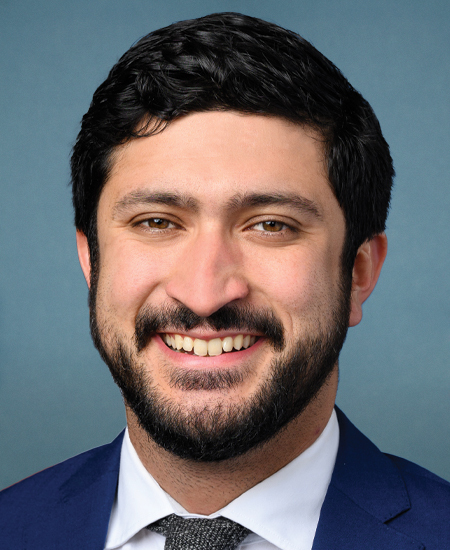
Rep. Greg Casar
Sponsored bills
Maddy summaryThis bill establishes federal worker heat protection standards to prevent heat-related illness and injury. It requires employers to provide a workplace free from heat stress hazards, including access to cool water, scheduled rest breaks, shaded cooling areas, and training on heat illness symptoms. The Secretary of Labor must create these standards within one year, incorporating evidence-based practices like engineering controls (e.g., ventilation), administrative measures (e.g., adjusted schedules), and employer-paid personal protective equipment. The law directly affects all employers in high-heat work environments - such as construction, agriculture, and manufacturing - and strengthens whistleblower protections for workers reporting safety violations.
Maddy summaryThe Housing Is a Human Right Act of 2025 creates new federal programs to address homelessness and housing instability. It establishes a CDBG Plus program to fund permanent affordable housing, supportive services, and basic infrastructure like public bathrooms and rest areas for homeless individuals. The bill prohibits criminalizing homelessness (such as sleeping in public) and requires jurisdictions to adopt "Housing First" approaches that connect people to housing without preconditions like sobriety requirements. It also creates new taxes on luxury real estate sales and large landlords to fund these programs, and includes provisions to help homeless people vote by removing barriers like ID requirements. The bill directly affects people experiencing homelessness, housing instability, and those who are cost-burdened (spending over 22% of income on housing), as well as local governments and housing providers.
Maddy summaryHR 4365, the Consumer Online Payment Transparency and Integrity Act, requires businesses to clearly disclose automatic renewal terms and cancellation procedures when selling goods or services with free trials or automatic renewal features. It mandates 7-day advance notice before charging consumers for renewals, requires express consent for each renewal (not just initial sign-up), and ensures cancellation is as easy as signing up (via online tools or toll-free numbers). The bill also prohibits "dark patterns" (manipulative design) from tricking consumers into unintended charges and voids automatic renewals if businesses violate these rules, requiring refunds for affected consumers. This directly affects consumers who encounter surprise charges from subscriptions or free trials that convert to paid services without clear consent.
Maddy summaryThis bill prohibits federal agency personnel from using physical force, detaining, or interfering with Members of Congress while they conduct official oversight activities on federal property. It requires Members to identify themselves with valid congressional ID and confirms the law does not override standard security procedures or prevent action against immediate physical threats. The bill specifically protects oversight activities like investigations, reviews of federal programs, or site visits at government-owned or leased facilities (including detention centers), ensuring Congress can carry out its constitutional oversight role without physical obstruction.
Maddy summaryHR 4358, the Anti-Rigging Act of 2025, limits how often states can redraw congressional districts after a census. It prohibits states from redistricting again until after the next census - unless a court orders it to comply with the Constitution or the Voting Rights Act. This directly affects states that conduct congressional redistricting, preventing frequent changes to U.S. House districts between decennial censuses. The bill explicitly states it does not impact how states conduct elections for state or local offices. It applies to redistricting following the 2020 census and future cycles.
Maddy summaryThe AMMO Act (HR 4227) regulates ammunition sales by requiring background checks for all non-licensed buyers, limiting bulk purchases to 100 rounds of .50 caliber or 1,000 rounds of other calibers within a 5-day period, and mandating recordkeeping for dealers. It directly affects licensed ammunition dealers and individuals purchasing ammunition, requiring dealers to collect identification, written certifications, and maintain records for two years. The bill establishes penalties including fines up to $250,000 for dealers and up to 5 years in prison for false statements, and requires annual reporting on violations. Dealers must post signage about these restrictions and verify identities through government-issued photo IDs. The law will take effect 120 days after enactment.
Maddy summaryThe No Secret Police Act of 2025 requires U.S. Immigration and Customs Enforcement (ICE) and other Department of Homeland Security officers working on border security or immigration enforcement to visibly display their official badges or uniforms and provide identification during detentions or arrests. It prohibits officers from wearing face coverings that conceal their face during these interactions. The bill also mandates that the Department report to Congress about tactical gear policies and research technology to improve badge visibility in different conditions like weather or lighting. These changes aim to increase transparency in immigration enforcement encounters.
Maddy summaryThis bill prohibits federal agencies from penalizing homeless individuals for engaging in life-sustaining activities on public land, such as sleeping, storing belongings, accessing food/water, or using public spaces. It requires federal agencies to provide accessible, free shelter alternatives (like tiny homes with basic amenities or parking with sanitation) if they cannot prove adequate indoor space is available without requiring daily reapplication or charging fees. Individuals harmed by violations can sue federal agencies for injunctive relief and attorney fees, and homeless people facing charges for basic survival activities may use "lack of shelter access" as a legal defense. The bill directly affects homeless individuals using federal public spaces, aiming to replace criminal penalties with housing access.
Maddy summaryThe Equal Dignity for Married Taxpayers Act amends the Internal Revenue Code to replace gendered terms like "husband and wife" with gender-neutral language such as "married couple" or "spouses" throughout tax law. This bill affects all married couples filing federal taxes by making the tax code consistent for all married couples regardless of gender. It makes over 30 specific changes to tax code sections, including replacing "his spouse" with "the individual's spouse" and updating references to marital status. The bill does not alter tax rates, deductions, or credits - it only updates language to be more inclusive. This is a technical language update to ensure the tax code treats all married couples equally without gendered references.