Maddy summaryThis bill removes a requirement for ambulatory surgical centers participating in Medicare to report the COVID-19 vaccination status of their healthcare workers. Specifically, it directs the Secretary of Health and Human Services to revise Medicare regulations (42 CFR §§ 416.300-416.330) within 45 days of enactment to eliminate this reporting mandate. The change directly affects ambulatory surgical centers that receive Medicare funding, removing a specific administrative burden related to employee vaccination data. The bill focuses solely on modifying existing reporting rules, with no new funding or program requirements.
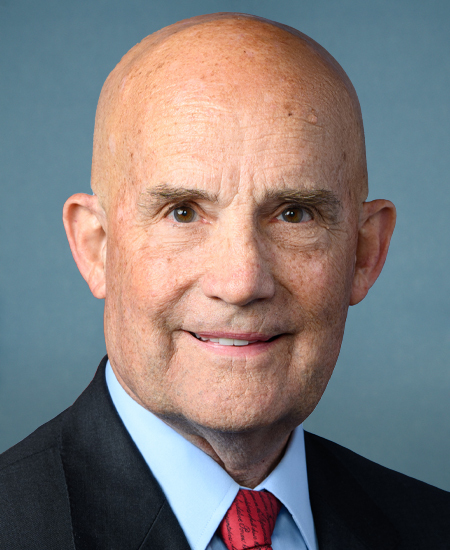
Rep. Keith Self
Sponsored bills
Maddy summaryThis bill adds Ecuador to the list of countries eligible for trade benefits under the Caribbean Basin Economic Recovery Act (CBERA), specifically designating it as a "CBTPA beneficiary country" for preferential tariff treatment. It requires the President to issue a formal proclamation designating Ecuador as such within 90 days of the bill's enactment. The change would allow Ecuadorian goods to enter the U.S. with reduced or eliminated tariffs under the CBERA framework, directly affecting Ecuador's exporters and U.S. importers of Ecuadorian products. This is a procedural adjustment to existing trade law, not a new policy.
Maddy summaryThe Maximum Pressure Act (HR 6114) is a legislative proposal that would maintain and expand U.S. sanctions against Iran. The bill would codify existing sanctions, require Iran to meet 12 specific conditions before sanctions could be lifted (including ending support for terrorism, releasing hostages, and ending nuclear enrichment), and expand sanctions on Iran's Revolutionary Guard Corps and missile programs. It also establishes new reporting requirements for the U.S. government to monitor Iran's activities and the impact of sanctions. The legislation would require congressional review before any sanctions could be lifted or modified, preventing the executive branch from unilaterally easing restrictions.
Maddy summaryHR 589, the MAHSA Act, imposes U.S. sanctions on Iran's Supreme Leader, President, and affiliated entities responsible for human rights abuses and terrorism. It targets the Supreme Leader's Office, the President's cabinet, security forces involved in the crackdown following Mahsa Amini's death, and entities financing abuses. The bill requires the President to annually determine and apply existing sanctions - like property blocking and visa bans - against these individuals and entities. This directly affects Iran's top leadership and security apparatus, aiming to hold them accountable for abuses including the Morality Police's role in Amini's detention and the subsequent violent suppression of protests.
Maddy summaryHR 407, the "Protect the UNBORN Act," prohibits federal agencies from implementing or enforcing two specific executive orders issued by President Biden in 2022 (Executive Orders 14076 and 14079), which aimed to protect access to reproductive healthcare services. The bill bans the use of federal funds, including those from the 2022 Consolidated Appropriations Act, to carry out, administer, or enforce these executive orders. It directly affects federal agencies and programs that would otherwise comply with the Biden administration's policies on reproductive healthcare access. The bill does not create new healthcare rules but blocks the implementation of existing executive actions.
Maddy summaryThis bill bans federal funding for abortions in most cases, prohibiting the use of taxpayer money for abortion services or health insurance plans covering abortion. Exceptions allow funding for abortions resulting from rape, incest, or when a pregnancy endangers a woman's life. It requires health insurance plans sold through the Affordable Care Act (ACA) marketplaces to clearly disclose any separate costs for abortion coverage and prohibits ACA subsidies from being used for plans that cover abortion (except in the specified exceptions). The law directly affects federal programs like Medicaid, ACA marketplace plans, and insurers offering health coverage to individuals using federal subsidies.
Maddy summaryHR 10349 requires the Attorney General to investigate potential violations of the existing Partial-Birth Abortion Ban Act (18 U.S.C. § 1531) related to the 2022 discovery of baby remains in Washington, DC, and mandates an annual report on enforcement efforts. It adds a requirement for the Attorney General to investigate alleged violations of the ban and obligates healthcare providers and facilities to report suspected violations to law enforcement. The bill also mandates annual DOJ reports detailing enforcement actions, provider notifications, and a separate GAO review of enforcement from 2004-2024, all aimed at strengthening the implementation of the existing ban.
Maddy summaryHR 5349, the "Crucial Communism Teaching Act," requires the Victims of Communism Memorial Foundation to develop a high school curriculum and oral history resources about communism. The bill directs this foundation to create materials for social studies, history, and government classes that teach students: (1) communism caused over 100 million deaths worldwide, (2) communism and similar ideologies pose dangers to democracy, and (3) 1.5 billion people still live under communist systems. The curriculum must include comparative discussions of political ideologies and feature personal stories from individuals who experienced communist regimes. This bill directly affects high school students and educators in public schools by mandating specific content for civic education.
Maddy summaryHR 7233, the Jenna Quinn Law of 2024, creates new federal grants to fund innovative child sexual abuse awareness and prevention programs. The bill authorizes the Secretary to award up to 5-year grants to schools, child-serving organizations, and other entities for projects that: (1) teach students age-appropriate abuse recognition and reporting, (2) train teachers and mandatory reporters, and (3) provide parents with prevention resources. Grantees must submit annual reports detailing participants, services, and outcomes. Additionally, the Comptroller General must evaluate the program's effectiveness and check for duplication with other federal efforts within five years, reporting findings to relevant congressional committees.
Maddy summaryThis resolution urges Ukraine to reverse its 2022 suspension of adoptions by foreign nationals, including U.S. citizens. It specifically asks Ukraine to review its decision and resume such adoptions, prioritizing cases where U.S. prospective parents had already completed Ukrainian adoption requirements before the suspension or where children were part of pre-existing Ukrainian hosting programs. The resolution does not change U.S. law but formally requests Ukraine address mutual concerns to protect children's best interests. It directly affects U.S. families seeking to adopt Ukrainian children and Ukraine's adoption policies.