

Maddy summaryThe No WAR Act prohibits Congress from using budget reconciliation procedures to fund military hostilities against Iran unless such actions are explicitly authorized by a formal declaration of war or a specific authorization for the use of military force. This legislation directly affects the legislative process by establishing a point of order that blocks any reconciliation bill attempting to provide budget authority for offensive military operations, strikes, or covert actions targeting Iranian military forces, territory, or government institutions. The bill also defines proxy forces as any foreign military or irregular groups operating with U.S. direction or material support, ensuring these entities are included in the restrictions on unauthorized funding. By amending the Congressional Budget and Impoundment Control Act, the measure aims to prevent the use of budgetary shortcuts to bypass the constitutional requirement for congressional approval before engaging in armed conflict with Iran.
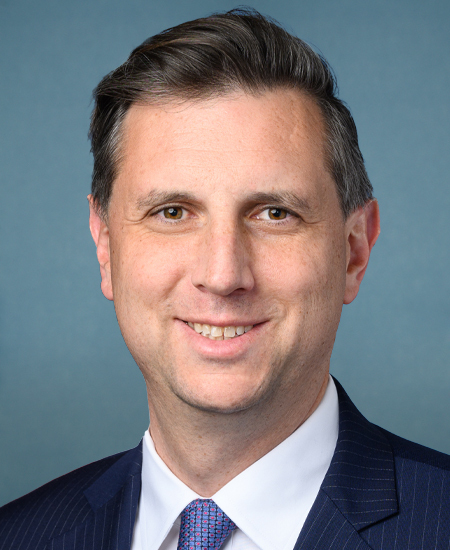
Rep. Seth Magaziner
Sponsored bills
Maddy summaryThis bill, titled the Protecting Human Rights and Public Health in Foreign Assistance Act, aims to cancel specific regulations issued by the Department of State. It directly affects the federal government by prohibiting any department or agency from enforcing, implementing, or proposing rules related to protecting life, combating discriminatory equity ideology, and combating gender ideology in foreign aid programs. The legislation treats these cancelled rules as if they never existed, effectively nullifying their impact on future foreign assistance policies.
Maddy summaryDomenic and Ed's Law allows parents who have taken out federal student loans to repay those loans if their child becomes permanently and totally disabled. This change applies to all outstanding parent loans, regardless of when the loan was taken out or when the disability began. The law requires that the disability be medically determinable and expected to last for at least 60 months or result in death.
Maddy summaryThe Clean Energy Workforce Act authorizes $100 million to help schools and colleges train students for jobs in clean energy, renewable energy, and climate change fields. The funding supports two main programs: grants for partnerships between schools and local businesses to create or expand educational courses that prepare students for these industries, and grants for educational facilities to become more energy-efficient and use renewable power. To ensure quality, the bill requires a review committee of educators and industry experts to evaluate grant applications, with priority given to programs that reach underserved students and share their methods with other schools.
Maddy summaryThis bill amends the Marine Mammal Protection Act to require federal officials to identify marine mammal species and populations facing population declines due to climate change. It mandates the creation of specific management plans for these species, which must include strategies to reduce human impacts, monitor interactions with fisheries, and improve habitat resiliency. The legislation also establishes a new monitoring program to track climate effects and authorizes funding for these conservation efforts from 2027 through 2031.
Maddy summaryThe "Funding Early Childhood is the Right IDEA Act" proposes to increase authorized funding for specific programs under the Individuals with Disabilities Education Act (IDEA). This bill sets new appropriation levels for Part C of IDEA, which provides early intervention services for infants and toddlers with disabilities and their families. It also increases authorized funding for Section 619 of IDEA, which supports preschool special education for children aged three to five. These funding authorizations are scheduled for fiscal years 2027 through 2031, directly affecting children with disabilities and the state and local agencies that provide these services.
Maddy summaryThe Baby Food Safety Act of 2026 aims to enhance the safety of infant and toddler food by regulating contaminants, directly affecting food manufacturers and processors, and ultimately protecting young consumers. The bill requires the Food and Drug Administration (FDA) to establish mandatory limits for toxic elements like lead, cadmium, mercury, and arsenic in infant and toddler food, as well as fruit and vegetable purees and juices. Manufacturers of these foods will be required to implement control programs, conduct regular testing of their final products for these contaminants using accredited laboratories, and maintain detailed records. Food found to exceed established limits or produced by non-compliant facilities will be deemed adulterated, allowing the FDA to enforce these standards, including through mandatory recalls. The bill also grants the FDA expanded authority for remote record inspections and enhances food traceability requirements.
Maddy summaryThis bill establishes a grant program to help vulnerable mothers and babies in areas with high climate-related health risks, such as extreme heat and air pollution. It directs the Department of Health and Human Services to award up to $105 million over four years to community groups, healthcare providers, and local organizations for initiatives that provide cooling resources, health education, and support services. The program prioritizes areas with high rates of maternal and infant health disparities and requires grantees to address racial and ethnic inequities. Additionally, the bill creates a research consortium at the National Institutes of Health to study climate impacts on birth outcomes and funds training programs for health profession schools to better prepare providers for these risks.
Maddy summaryThe FISH Act of 2025 establishes a public "IUU vessel list" of foreign fishing vessels, fleets, and their beneficial owners engaged in illegal, unreported, or unregulated fishing or fishing involving forced labor. It prohibits listed vessels from accessing U.S. ports, using U.S. port services, or having their seafood imported into the United States. The bill requires the Secretary of Commerce to develop procedures for adding vessels to the list based on clear evidence, including information from international organizations or U.S. authorities. It also authorizes sanctions against entities involved in IUU fishing or forced labor practices in the fishing industry, aiming to prevent seafood from illegal fishing operations from entering U.S. commerce.
Maddy summaryThe Momnibus Act is a comprehensive legislative bill designed to improve maternal health outcomes across the United States by addressing social determinants of health, expanding access to care, and reducing disparities among pregnant and postpartum individuals. The bill establishes a federal task force to coordinate efforts between agencies and stakeholders to eliminate preventable maternal mortality and severe morbidity, while providing sustained funding to community-based organizations to address nonclinical factors like housing, nutrition, and transportation. Key provisions include extending WIC eligibility to 24 months postpartum, creating grants to grow and diversify the perinatal workforce, implementing respectful maternity care training for all healthcare employees, and establishing compliance programs to track and address bias in maternity care settings. The legislation also includes specific measures for incarcerated mothers, veterans, and vulnerable populations affected by climate change, alongside funding for maternal mental health services and technology-enabled care models to expand access in underserved areas.