Maddy summaryThis bill establishes a pilot program requiring the Secretary of Defense to partner with certified nonprofit diaper banks to provide free diapers and diapering supplies to military families in need. Covered diaper banks must be nonprofit members of the National Diaper Bank Network with at least five years of experience distributing diapers at no cost. The program will connect these banks directly with military installations to address diaper access gaps, with the National Diaper Bank Network providing technical support and evaluating the pilot's effectiveness. It directly affects military families facing financial barriers to basic necessities like diapers, creating a new federal partnership mechanism for support.
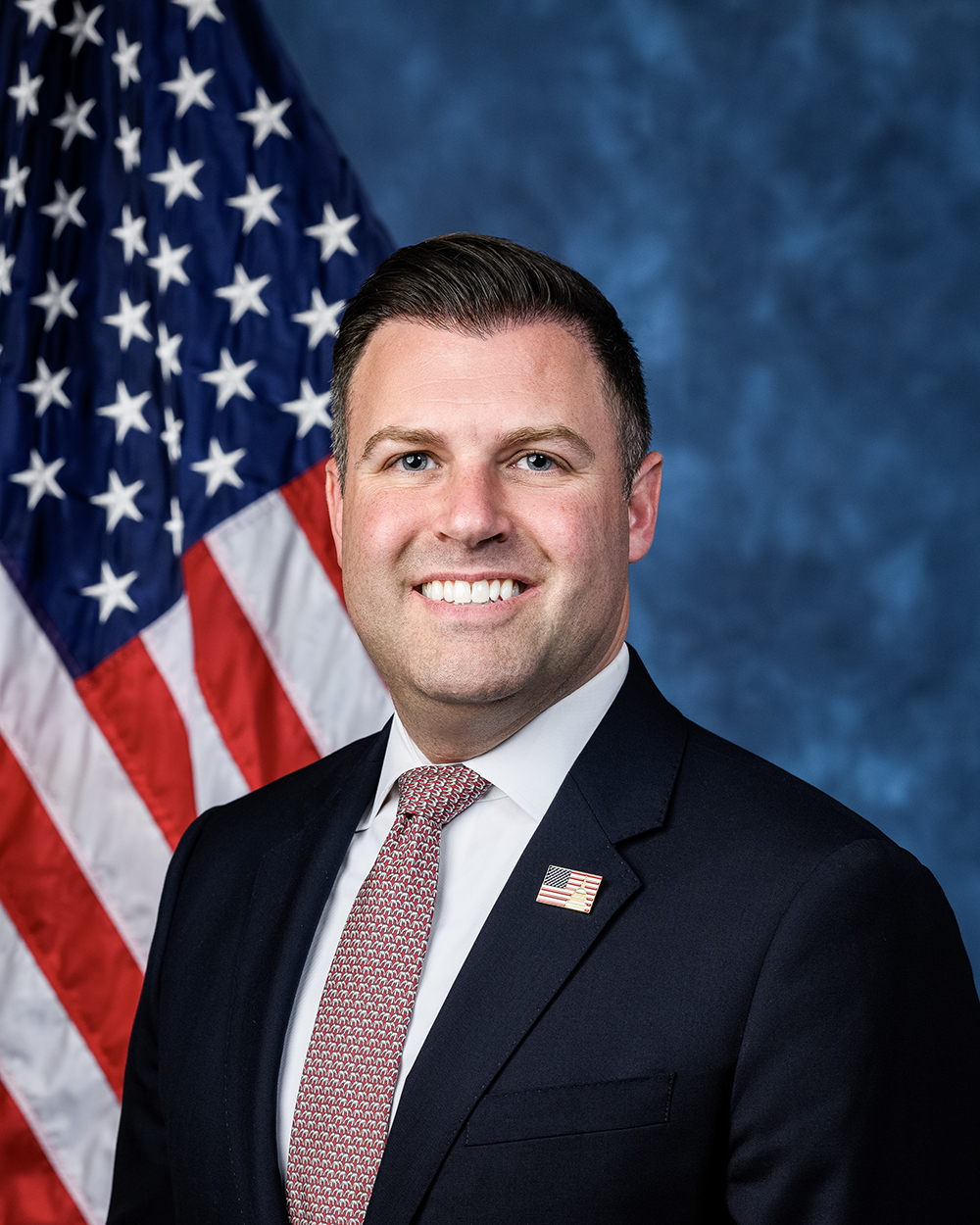
Rep. Ryan Mackenzie
Sponsored bills
Maddy summaryHR 6123, the "Promoting Diplomacy with Australia Act," requires the U.S. Assistant Secretary of State for East Asia and Pacific Affairs to submit a report within 30 days of enactment on the capacity of the U.S. diplomatic mission in Australia. The report must detail current staffing and operations, planned growth for 2025-2030, interagency expansion, necessary support systems, resource gaps affecting U.S. objectives (including the Australia-U.S. alliance and AUKUS partnership), and recommendations for additional facilities, staffing, and funding. This procedural bill mandates a comprehensive analysis to address potential shortfalls but does not enact new policy or funding.
Maddy summaryThe NEST Act (HR 6096) requires the federal government to provide newborn supply kits to new mothers, focusing on low-income families and communities with high maternal health risks. These kits include essential items like diapers, postpartum pads, breastfeeding supplies, blood pressure monitors, and health information resources. Funds for the kits come from a $5 million annual set-aside in Social Security Act funding, distributed through grants to community health centers, tribal organizations, and hospitals. Priority is given to rural areas, maternity care deserts, and mothers earning below 185% of the poverty line. The program mandates annual reporting on distribution demographics and health outcomes to Congress.
Maddy summaryHR 2212 establishes a new DHS Intelligence Rotational Assignment Program for intelligence analysts. The bill requires the DHS Secretary to create this program within one year, allowing analysts in DHS intelligence components and the Secret Service's Office of Strategic Intelligence and Information to rotate between positions. This aims to build broader expertise by enabling analysts to gain experience across different DHS intelligence roles. The program must follow coordination requirements already set for DHS's existing rotation program. It directly affects DHS intelligence analysts and Secret Service strategic intelligence personnel.
Maddy summaryThis bill requires all new passenger vehicles manufactured for sale in the U.S. to include AM radio as standard equipment (not an optional add-on) by 2027-2028, depending on manufacturer size. It mandates that AM radio receivers must be easily accessible to drivers and allows compliance through digital AM broadcast technology. During a transition period, manufacturers must clearly label vehicles without AM radio but cannot charge extra for this feature. The bill also mandates a GAO study on AM radio's role in emergency alerts and includes a 10-year sunset provision for the rule. It preempts state laws regarding AM radio access in vehicles.
Maddy summaryHR 6018, the Bringing Assistance for Rural Needs During Shutdowns Act, ensures that Farm Services Agency (FSA) services remain operational during government shutdowns. This means FSA employees - providing critical support like farm loans, disaster assistance, and crop insurance - would continue working without furloughs. The bill directly affects rural farmers and communities relying on these services, preventing disruptions to essential agricultural aid. By classifying FSA services as "essential" under federal law (specifically, as covering "safety of human life or protection of property"), it guarantees uninterrupted access to these programs during shutdowns.
Maddy summaryHR 5934, the Major Thomas D. Howie Congressional Gold Medal Act, authorizes the posthumous award of a Congressional Gold Medal to Major Thomas D. Howie for his bravery and service during the Battle of Normandy in World War II. The medal, to be struck by the U.S. Mint, will be presented to his nephew, Tom Howie, or his next of kin, and then displayed at The Citadel Museum. This bill is purely commemorative and does not create new legal requirements or funding obligations. It honors Major Howie’s leadership in capturing St. Lo, France - a pivotal moment in liberating Western Europe from Nazi occupation - based on his documented sacrifice during the 1944 campaign.
Maddy summaryHRES 855 is a non-binding House resolution expressing support for National Adoption Day (November 22, 2025) and National Adoption Month (November). It promotes awareness about children in foster care awaiting adoption - highlighting that 49,994 U.S. children were waiting for adoptive families in 2023 - and encourages the public to consider adoption. The resolution recognizes that every child deserves a permanent, loving family and urges Americans to support this goal throughout November and the year. As a symbolic gesture, it does not create new laws or policies.
Maddy summaryThis bill ensures uninterrupted WIC benefits during government funding gaps by directing emergency Treasury funds to cover the program in fiscal year 2026 if Congress fails to pass regular appropriations. It directly affects WIC participants (women, infants, and children) and state agencies administering the program, preventing service disruptions. Key provisions include retroactive reimbursement for states that covered costs between September 30, 2025, and the bill’s enactment date, and funding that lasts until fiscal year 2026 appropriations are approved. The bill’s mechanisms bypass standard budget processes to maintain WIC operations during fiscal lapses.
Maddy summaryThis bill provides temporary funding to maintain pay and benefits for essential aviation staff during the 2026 budget process. It ensures continued standard pay, allowances, and contractor support for Federal Aviation Administration (FAA) air traffic controllers, Transportation Security Administration (TSA) screeners, and their contractors until a permanent budget is enacted. The funding is retroactive to September 30, 2025, and expires on September 30, 2026, or when the next regular budget is passed. It directly affects FAA and TSA operational personnel and their contractors, preventing disruptions to air traffic safety and security screening.