

Maddy summaryHR 6718, the Professional Student Degree Act, amends the Higher Education Act to clarify the definition of a "professional degree" for federal education purposes. It replaces the previous definition with a new section listing specific degrees that meet the criteria, including Pharmacy (Pharm.D.), Law (J.D.), Medicine (M.D.), Dentistry (D.D.S.), Veterinary Medicine (D.V.M.), and others like Nursing (D.N.P.) and Business Administration (M.B.A.). This definition requires degrees to signify both completion of academic requirements for professional practice (often requiring licensure) and skills beyond a bachelor's level. The bill directly affects students pursuing these designated degrees by formally recognizing them under federal education law, without creating new programs or changing funding.
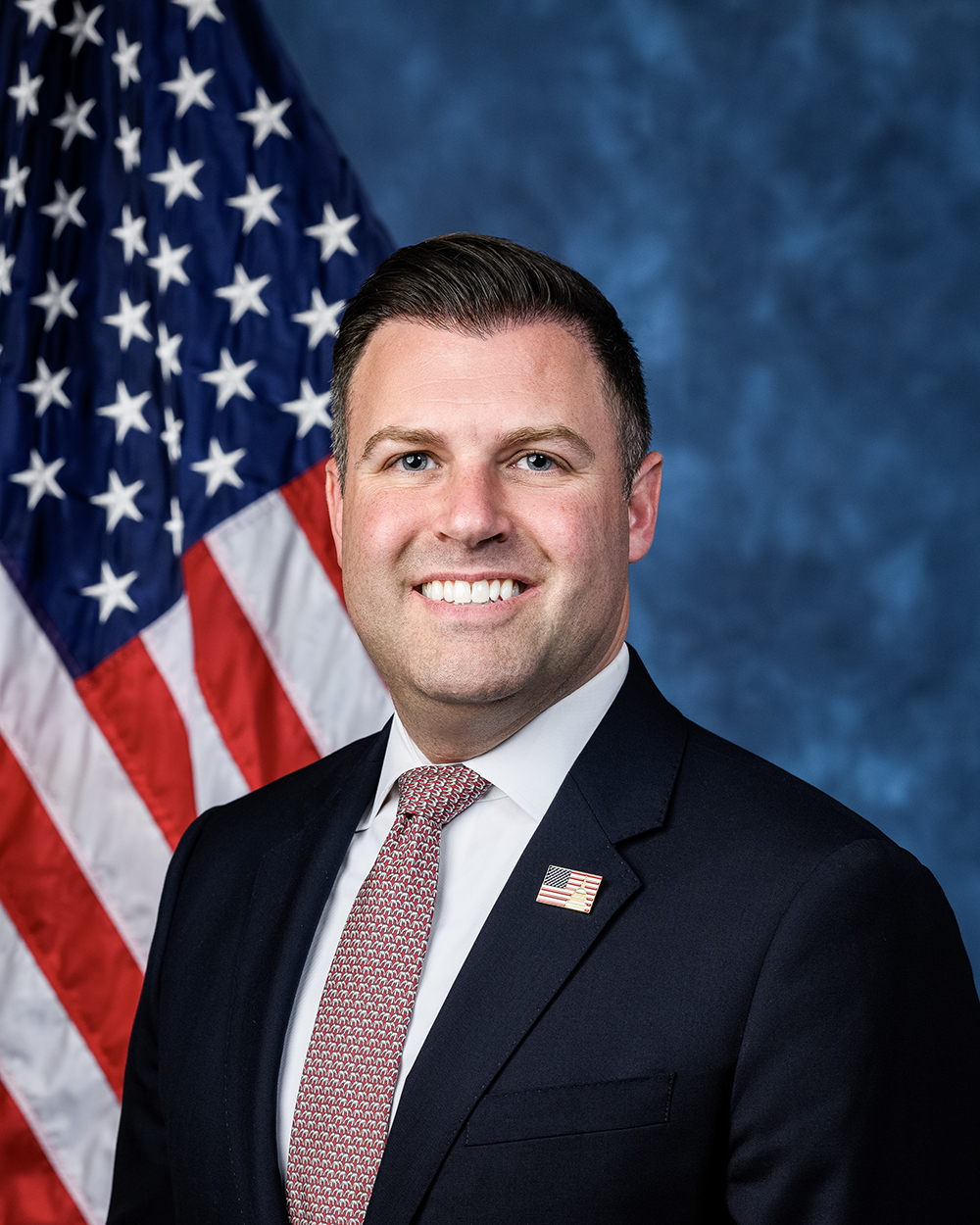
Rep. Ryan Mackenzie
Sponsored bills
Maddy summaryThis bill allows groups of small businesses or self-employed individuals to form a single health plan that treats all members as one employer for coverage purposes. It directly affects small business associations and self-employed people who can join such groups to access pooled health coverage, provided they meet specific requirements (e.g., 51+ total employees, 2+ years in existence, no health-based discrimination). Key mechanisms include permitting modified community rating for premiums (based on pooled claims) while prohibiting health status-related discrimination in enrollment, premiums, or pre-existing condition coverage. The plan remains subject to federal ERISA rules, and self-employed members must meet defined criteria to participate as both employers and employees.
Maddy summaryThe Protect America's Workforce Act cancels an executive order issued on March 27, 2025, that excluded certain groups from federal labor-management relations programs, making it legally unenforceable. It also ensures that all collective bargaining agreements between federal agencies and labor unions, which were active as of March 26, 2025, remain fully effective until their agreed terms expire. This directly affects federal agencies, labor unions, and the employees covered by these agreements. The bill prevents federal funds from being used to implement the canceled executive order while preserving existing labor agreements.
Maddy summaryHR 6575, the CommonGround for Affordable Health Care Act, extends enhanced premium tax credits for health insurance through 2026, directly benefiting millions of lower and middle-income Americans purchasing coverage through the ACA marketplace. The bill modifies income thresholds for premium subsidies, creating new income tiers that maintain or increase financial assistance for households earning up to 1,000% of the poverty level. It includes provisions to prevent fraud in health insurance exchanges by imposing civil penalties on agents and brokers who provide false information, and requires transparency in pharmacy benefit manager contracts to improve drug pricing accountability. The legislation also extends the annual open enrollment period for health insurance exchanges for the 2026 plan year, allowing more time for people to enroll or change coverage.
Maddy summaryThis bill establishes the President’s Council on Sports, Fitness, and Nutrition to advise the President on reestablishing the Presidential Fitness Test as the primary assessment tool for a Presidential Fitness Award in U.S. schools. The Council, appointed by the President, would develop school-based fitness programs, promote physical activity through community partnerships, and address childhood obesity as a national security concern. It directs the Secretary of Health and Human Services to fund the Council and its initiatives, with the Council terminating two years after enactment unless extended. The bill specifically aims to impact K-12 schools by integrating the fitness test into physical education programs.
Maddy summaryHR 1461 designates the U.S. Postal Service facility at 521 Thorn Street in Sewickley, Pennsylvania, as the "Mary Elizabeth 'Bettie' Cole Post Office Building." The bill updates all official references to this specific post office location to reflect the new name. This is a ceremonial naming resolution honoring Mary Elizabeth "Bettie" Cole, with no new policies, funding, or operational changes to the postal facility.
Maddy summaryThe Bipartisan Health Insurance Affordability Act extends and modifies premium tax credit rules to make health insurance more affordable for people with household incomes up to 700% of the poverty line, with specific provisions for different income tiers. The bill requires pharmacy benefit managers to pass through 100% of rebates to health plans, establishes transparency requirements for drug pricing, and creates mechanisms to prevent fraud in health insurance exchanges. It also extends the annual open enrollment period for 2026 and allows qualified Exchange enrollees to establish health savings accounts, with options to prepay annual premiums or direct part of their premium tax credit into a health savings account.
Maddy summaryHRES 930 is a symbolic resolution designating December 8, 2025, as "Jimmy Lai Day" to honor Jimmy Lai's advocacy for free press, religious freedom, and democracy in Hong Kong. It calls on the People's Republic of China and Hong Kong authorities to release Jimmy Lai and other Hong Kong prodemocracy advocates detained under Hong Kong's National Security Law. The resolution does not create new laws or policies but expresses congressional support for Lai's work and condemns the imprisonment of those advocating for Hong Kong's freedoms. It directly affects U.S. diplomatic messaging toward China, not Hong Kong's legal system or residents.
Maddy summaryHRES 931 is a symbolic resolution expressing congressional support for designating December 4, 2025, as "National Scam Prevention Day." It does not create new laws or policies but formally acknowledges the significant financial and psychological harm caused by scams, citing reported losses of $16.6 billion in 2024 and estimated total losses of $158.3 billion when accounting for underreporting. The resolution highlights concerns about international scam operations and their links to criminal organizations, urging a coordinated government and industry approach to scam awareness. It directly affects no specific group but aims to raise public awareness about scam prevention.
Maddy summaryThe STOP Scams Against Seniors Act directs federal Byrne funds to create elder justice task forces focused on preventing and investigating financial scams targeting seniors aged 60 and older. These task forces must coordinate with local law enforcement, prosecutors, and federal agencies like the FBI and FTC to address fraud. Grantees must report detailed data on cases opened, resolved, victims supported, scam types, and signs of organized crime, with the Attorney General submitting an annual summary to Congress. The bill directly affects seniors vulnerable to financial exploitation and the agencies implementing these task forces.