

Maddy summaryHR 7347, the *Stop Inhumane Conditions in ICE Detention Act of 2026*, requires all facilities detaining noncitizens under U.S. immigration law - including contracted facilities - to implement real-time health reporting systems for medical, dental, and mental health conditions. It mandates anonymous, multilingual complaint systems for detainees with anti-retaliation protections, annual DHS audits of health conditions (including gender-specific care), and full-time health liaisons at each facility. The bill triggers contract reviews for facilities with three verified health complaints and requires quarterly public reports on conditions and complaints to Congress. These provisions directly affect ICE detention facilities, detainees, and DHS oversight processes, focusing on transparency and accountability in health care.
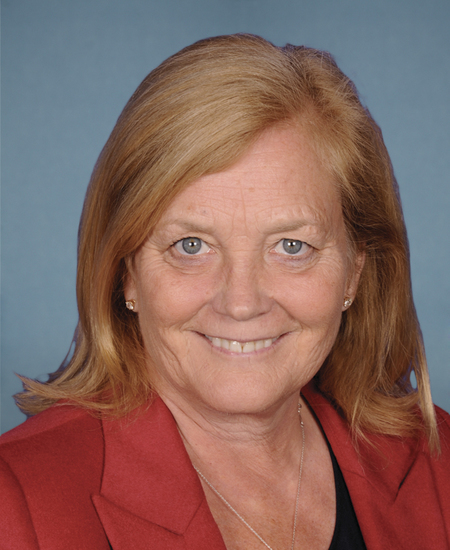
Rep. Chellie Pingree
Sponsored bills
Maddy summaryHR 7345 directs the Congressional Budget Office (CBO) to study the long-term economic effects of immigration policies implemented beginning January 20, 2025. The CBO must assess impacts across specific sectors (like healthcare, agriculture, STEM fields), public safety concerns, demographic shifts, small business effects, and tax revenue at federal, state, and local levels. Federal agencies - including Homeland Security, the Bureau of Labor Statistics, and the IRS - must provide requested data to support this study. The report must be completed within 180 days of the bill’s enactment or by the end of the current congressional session, whichever comes first. This is a procedural study bill, not a policy change.
Maddy summaryThis bill amends the tax code to exclude specific Social Security benefits from taxable income. It directly affects individuals receiving Social Security benefits that were previously subject to taxation due to certain pension rules (like the Windfall Elimination Provision), but are restored under the Social Security Fairness Act of 2023. The exclusion applies only to payments attributable to those restored benefits for months between January 2025 and December 2026. This changes the tax treatment of a defined subset of Social Security payments during a specific two-year period.
Maddy summaryThe Rebuild America's Schools Act of 2026 authorizes $20 billion annually from 2027 to 2031 to improve public school facilities nationwide. The bill provides grants to states to fund school construction, renovation, and modernization projects that focus on safety, energy efficiency, and accessibility, with priority given to schools serving high percentages of students eligible for free or reduced-price lunch. Funds cannot be used for routine maintenance, athletic facilities, or vehicles, and must meet specific environmental, safety, and energy efficiency standards. The bill also includes specific provisions for repairing school foundations affected by pyrrhotite, a mineral that causes concrete deterioration, and requires use of American-made materials for construction projects.
Maddy summaryHR 7346, the Drain ICE Act of 2026, repeals specific funding provisions (sections 90003 and 100052) from the "One Big Beautiful Bill Act" and cancels all unspent funds allocated under those sections. This bill directly affects ICE’s detention budget by removing existing financial authority for detention operations. It does not change immigration enforcement practices or directly impact individuals; it solely modifies budgetary allocations. The bill focuses on eliminating funding mechanisms, not on policy changes for migrants or enforcement. (Procedural bill; summary limited to 2 sentences as specified.)
Maddy summaryHR 7335 establishes comprehensive humanitarian standards for individuals held in U.S. Immigration and Customs Enforcement (ICE) and U.S. Customs and Border Protection (CBP) custody. The bill requires facilities to provide immediate health screenings within 12 hours (6 hours for high-risk individuals like children, pregnant people, or those with medical conditions), ensure access to adequate water, sanitation, food (with 2,000+ calories daily for adults), and age-appropriate shelter. It mandates specific facility standards including separate housing for males and females, accessible accommodations for people with disabilities, daily outdoor access for those detained over 48 hours, and proper medical equipment and personnel on-site. The bill also requires regular inspections, staff training on humanitarian protocols, and public reporting of sexual abuse complaints. These standards directly affect all individuals detained by ICE or CBP, with special protections for vulnerable groups like children, pregnant people, and those with medical needs.
Maddy summaryHR 7265, the Vote by Mail Tracking Act, requires all government entities sending mail-in ballots for federal elections to use a standardized Postal Service barcode on ballot envelopes. This barcode enables tracking of each individual ballot, while also mandating specific envelope designs and machineability standards set by the Postal Service. The bill applies to all mail-in ballots for federal office elections starting in 2026, but excludes Federal write-in absentee ballots under the Uniformed and Overseas Citizens Absentee Voting Act. The Postmaster General must provide compliance guidance to government entities by June each year to implement the tracking system.
Maddy summaryThis bill establishes a Truth and Healing Commission to investigate the history and impacts of U.S. Indian Boarding School policies on Native American communities, including their cultural, emotional, and physical effects. The Commission will document these policies' history through research, public meetings across all 12 Bureau of Indian Affairs regions and Hawai'i, and consultation with survivors, tribes, and relevant Federal agencies. It will develop recommendations for federal action on memorialization, education, and addressing ongoing impacts, with a final report due six years after enactment. The Commission will include a Survivors Truth and Healing Subcommittee with 15 members representing boarding school survivors, their descendants, and tribal communities. The bill requires trauma-informed care at public meetings and mandates consultation with Native American communities throughout the process.
This resolution supports the designation of the International Year of the Woman Farmer and recognizes the critical role of women in agriculture. The resolution also encourages citizens to celebrate the impact these women have on the food systems and agricultural workforce of the United States by encouraging and empowering women to pursue careers in agriculture and cultivate leadership opportunities.
Maddy summaryHJRES 144 is a congressional disapproval resolution targeting a specific rule issued by the Department of Veterans Affairs (VA) on December 31, 2025, which addressed "Reproductive Health Services" (90 Fed. Reg. 61310). This resolution directs Congress to disapprove the VA rule under Chapter 8 of Title 5, U.S. Code, meaning the rule would have no legal effect if passed. The bill directly affects the VA's implementation of reproductive health services for veterans, as it seeks to nullify the agency's existing policy. This is a procedural measure, not a substantive policy change, aimed solely at blocking the VA's rule through congressional action.