Maddy summaryThis bill codifies existing protections for designated roadless areas within the National Forest System by prohibiting new road construction, road reconstruction, and logging in these areas. It directly affects National Forest lands already identified as "inventoried roadless areas" under the current Roadless Rule, which covers roughly 58 million acres. The key mechanism requires the Secretary of Agriculture to enforce these prohibitions, maintaining current protections without expanding restrictions to other lands or altering existing multiple-use management. The bill does not create new protected areas but legally solidifies the existing regulatory framework to preserve ecological and recreational values.
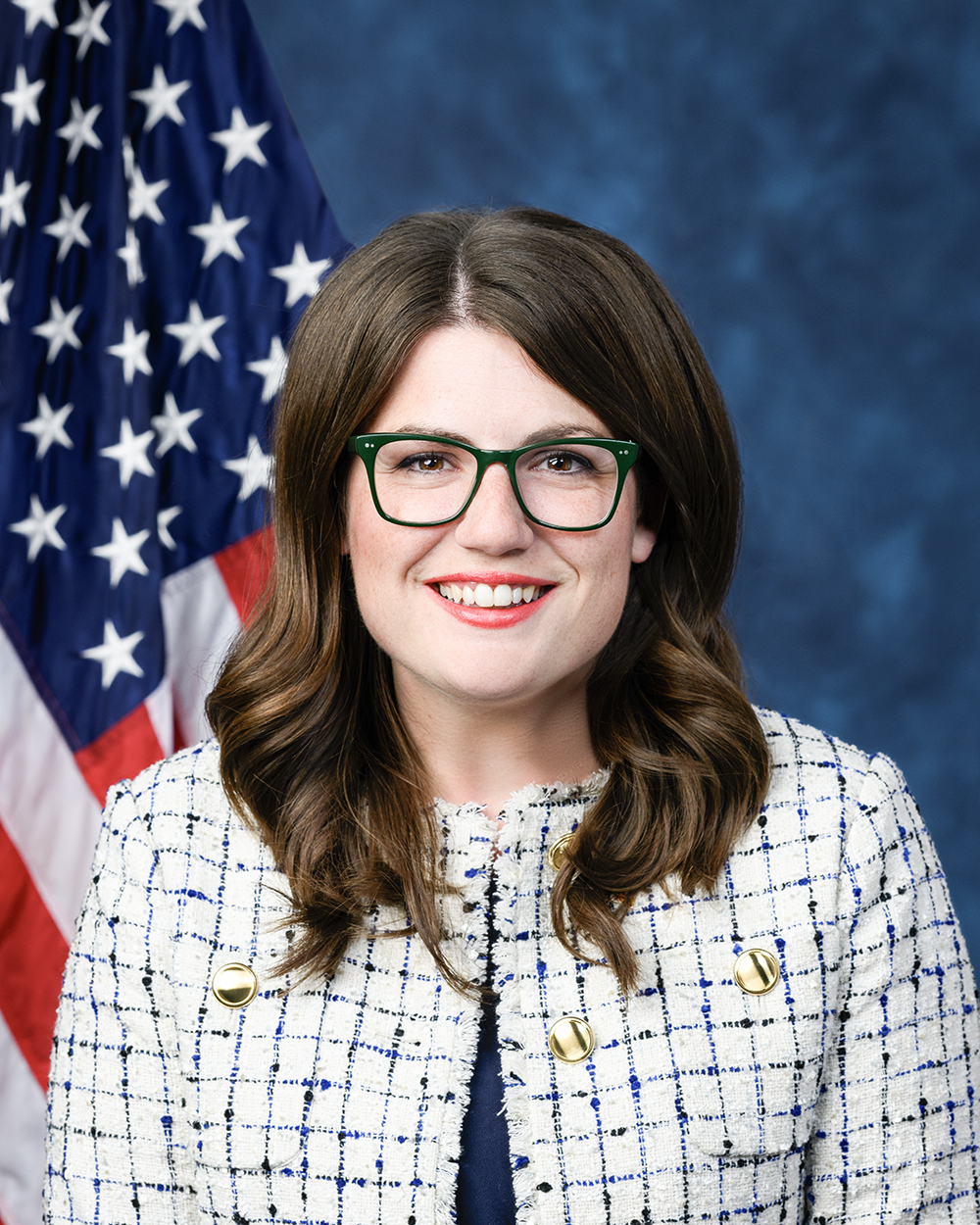
Rep. Sarah Elfreth
Sponsored bills
Maddy summaryThis bill requires private firearm transfers between individuals to go through a licensed dealer who must conduct a background check. It applies to most private sales but includes exceptions for transfers between family members (like parents and children), law enforcement, emergencies preventing harm, and temporary loans at shooting ranges or for hunting. Dealers must provide background check notices in both English and Spanish. The law aims to prevent prohibited individuals from obtaining firearms through private transactions while maintaining existing state authority on firearm laws.
Maddy summaryThis bill requires federal land agencies (like the Bureau of Land Management and National Park Service) to develop Tribal Co-Management Plans within one year, enabling federally recognized tribes to partner with agencies on forest and grassland management activities - such as restoration, planning, and recreation - on lands historically connected to those tribes. Tribes can enter agreements with the Forest Service to carry out these activities, with federal staff receiving training on indigenous knowledge and tribal history. The bill authorizes $50 million (2026-2030) to support these agreements, mandates consultation to protect tribal data sovereignty, and requires agencies to consider tribal cultural ties when evaluating partnership proposals.
Maddy summaryHR 3757, the Pride In Mental Health Act of 2025, provides $20 million annually (2026-2030) to fund grants for mental health services targeting LGBTQ+ youth, including nonbinary, intersex, and Two Spirit youth, and their families/caregivers. The bill mandates grantees to provide trauma-informed care, cultural competency training, school bullying prevention guidelines, and evidence-based practices while explicitly prohibiting the use of funds for conversion therapy or its promotion. It also requires the federal government to restore mental health reports on LGBTQ+ youth, conduct a national survey measuring mental health distress, and produce a report on mental health services for LGBTQ+ youth in foster care. The law directly affects these youth populations by expanding access to tailored mental health resources and data collection, with funding administered through the Substance Abuse and Mental Health Administration.
Maddy summaryThe Family Vaccine Protection Act makes the Advisory Committee on Immunization Practices (ACIP) an official part of federal law, requiring it to provide vaccine recommendations based on strong scientific evidence. It mandates that the CDC Director must adopt ACIP's recommendations unless they don't meet the evidence standard, and if not adopted, the CDC must explain its decision and notify Congress within 48 hours. The bill establishes procedures for ACIP to review new vaccines within 90 days of licensure and to consider breakthrough therapies or public health emergencies. This act aims to strengthen transparency and evidence-based decision-making in vaccine recommendations for the public health system. It affects the CDC, ACIP, and Congress through formalized processes for vaccine policy development.
Maddy summaryThe BARK Act of 2025 protects donors, nonprofits, and local/government entities from liability when donating "apparently fit" pet food or supplies in good faith to help animals. It shields them from lawsuits related to minor issues like appearance, age, or packaging, as long as the items meet basic safety standards and aren’t defective. Donors must inform recipients about any flaws, and recipients must agree to recondition items to meet standards before distribution. This law does not cover cases of gross negligence or intentional harm, and it doesn’t override existing health regulations. The bill directly affects pet food donors, shelters, and animal welfare programs by reducing legal barriers to sharing surplus supplies.
Maddy summaryThis bill prohibits the U.S. military from discriminating against service members or applicants based on gender identity. It bans policies that would deny service, involuntarily separate members, deny medically necessary healthcare, or require service in a gender different from one's identity. The law defines "gender identity" broadly to include a person's internal sense of gender, appearance, and mannerisms, regardless of sex assigned at birth. It directly affects transgender and gender-diverse individuals currently serving or seeking to serve in the Armed Forces.
Maddy summaryHR 3559, the Save Our Forests Act of 2025, requires the U.S. Forest Service to increase staffing for National Forest System lands within 30 days of enactment to support forest health and productivity. It mandates reinstating Forest Service employees terminated between January 20, 2025, and the bill’s enactment date. The bill also directs the continuation of specific existing projects funded under laws like the Inflation Reduction Act and Infrastructure Investment and Jobs Act. These provisions directly affect Forest Service operations, workers, and the management of national forests.
Maddy summaryHR 3555, the Protect our Parks Act of 2025, requires the Secretary of the Interior to ensure National Park Service units are fully staffed for visitor safety, resource protection, and maintenance within 30 days of enactment. It mandates rehiring all National Park Service employees involuntarily terminated between January 20, 2025, and the bill’s enactment date. The bill also directs the continuation of specific park projects funded under the Great American Outdoors Act, Infrastructure Investment and Jobs Act, and the Inflation Reduction Act. This legislation directly affects National Park Service staff and park operations, focusing on staffing stability and project continuity.
Maddy summaryHR 3532, the Striking and Locked Out Workers Healthcare Protection Act, prohibits employers from terminating or altering an employee’s employer-sponsored health coverage during a lawful strike or a lockout (when an employer withholds work to influence bargaining). It directly affects workers participating in strikes or facing lockouts, ensuring continued healthcare access during these labor disputes. The bill adds penalties: $75,000 per violation for lockout-related coverage termination (up to $150,000 for repeat offenses), and $50,000 per violation for strike-related termination (up to $100,000 for repeat offenses), with penalties applied alongside other remedies. These provisions amend the National Labor Relations Act to protect workers’ healthcare rights during collective bargaining actions.