

Maddy summaryThis House resolution marks the 25th anniversary of the September 11, 2001 terrorist attacks by formally honoring the memory of the nearly 3,000 victims and recognizing the sacrifices made by first responders, military personnel, and the passengers of United Airlines Flight 93. The bill acknowledges the ongoing health challenges faced by survivors and responders, highlighting the role of the World Trade Center Health Program in providing long-term medical support. It also credits charitable organizations and community groups that have continued to assist victims' families and veterans over the past two decades. Finally, the resolution urges the American public to observe the anniversary with ceremonies and reaffirms Congress's commitment to remembering the events and lessons of that day.
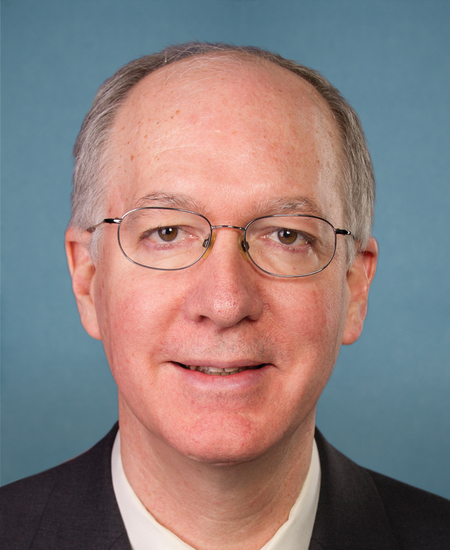
Rep. Bill Foster
Sponsored bills
Maddy summaryThe Strengthening Oversight for the Financial Sector Act of 2026 tightens regulatory controls on credit unions and federal housing finance agencies regarding their use of outside service providers. For credit unions, the bill requires them to notify the National Credit Union Administration about service relationships in a specific manner prescribed by the Board and removes certain existing reporting provisions. Additionally, it mandates that regulated entities under the Federal Housing Finance Agency must inform the agency's Director within thirty days of contracting with any third party to perform activities permissible for the entity itself. These changes ensure that outsourced work is subject to the same level of examination and regulation as if the tasks were performed internally by the financial institution.
Maddy summaryThe Hands Off Our Great Lakes Act prohibits the President and federal officials from changing the official names of Lake Superior, Lake Michigan, Lake Huron, Lake Erie, or Lake Ontario. The bill specifically nullifies Executive Order 14422, which had renamed Lake Ontario to Lake America, and bans any further attempts to alter these geographic names through similar executive actions. Additionally, it forbids the use of federal funds to implement or enforce the revoked order or any comparable measures.
Maddy summaryThe NO PROFIT Act prohibits social media platforms from selling or providing paid, early access to posts made by federal government officials and their immediate family members. It also makes it illegal for any person to buy or sell securities, commodities, or prediction market contracts while possessing this non-public information before it is available to the general public. The bill targets a wide range of officials, including the President, members of Congress, executive branch employees, and judges, as well as their spouses and dependent children. Violations by social media platforms result in civil penalties equal to the revenue earned from the unauthorized early access, while individuals who trade on this information face enforcement actions by the Securities and Exchange Commission or the Commodity Futures Trading Commission.
Maddy summaryThis bill establishes federal protections and funding to expand access to in vitro fertilization and intrauterine insemination for individuals, military service members, and veterans. It requires most private health plans, Medicaid programs, and Medicare to cover these fertility treatments without imposing higher cost-sharing than other medical services. Additionally, the legislation mandates that the Department of Defense and the Department of Veterans Affairs provide specific fertility preservation and treatment benefits to uniformed service members and eligible veterans. The bill also includes preemption clauses that override state laws restricting these procedures and prohibits discrimination based on marital status, sex, or sexual orientation in the provision of care.
Maddy summaryThis bill creates a legal exemption from antitrust laws for companies and organizations that share information or coordinate actions to protect against security risks posed by artificial intelligence. Specifically, it allows these entities to exchange data or agree to temporarily delay the release or deployment of AI systems if they believe such steps are necessary to prevent threats like weaponization, attacks on critical infrastructure, or unauthorized access. To qualify for this protection, the organizations must act in good faith, use the shared information solely for security purposes, and submit a written notice to the Department of Justice before implementing any coordinated delays. The law also ensures that details submitted to the government remain confidential and allows the Attorney General to seek court orders against companies that fail to prove their actions were legitimate security measures.
Maddy summaryThe Federal Naming Standards Act prohibits the government from naming or renaming federal buildings, facilities, or programs after elected officials or political appointees while they are in office and for ten years after they leave. This restriction also applies indefinitely to individuals who earn more than $1 million annually from commercial use of their name or likeness, though it does not affect deceased individuals or names already established before the law takes effect. To enforce these rules, agency inspectors general must investigate complaints about violations and report their findings to agency heads and Congress within 90 days. The law allows for the incidental use of names in historical or educational contexts, provided the name is not used as the official title of a federal site or program.
Maddy summaryThe Disabled Access Credit Modernization Act updates the tax credit available to small businesses that make their facilities more accessible to people with disabilities. It allows these businesses to claim the credit for a broader range of expenses, including equipment and services that go beyond the minimum requirements of the Americans with Disabilities Act or are needed even if the business is not currently subject to those rules. Additionally, the bill clarifies the definitions of disability and reasonable accommodation within the tax code. The legislation also requires the Treasury Department to issue guidance and conduct public outreach to help eligible businesses understand the updated credit, with a report to Congress due two years after enactment. These changes will take effect for expenses incurred after December 31, 2026.
Maddy summaryThe Protecting Immigrants From Legal Exploitation Act of 2026 aims to combat fraud by increasing criminal penalties for individuals who falsely represent themselves as immigration lawyers or provide fraudulent services. It requires non-lawyer immigration service providers to identify themselves on applications and allows victims of unauthorized practice of law to withdraw and resubmit their immigration forms without penalty. The bill also empowers the Attorney General to issue civil injunctions against fraudulent providers and mandates that convicted fraudsters reimburse their clients for services rendered. To support legitimate legal aid, the legislation authorizes funding for outreach programs and grants to nonprofit organizations that provide direct legal assistance to immigrants.
Maddy summaryThis bill directs the Department of Energy to create a competitive facility called the Critical Materials Processing Technology Testbed to develop and test new methods for processing essential raw materials. The Testbed will focus on improving technologies to reduce energy use, water consumption, pollution, and costs while enhancing worker safety and waste management. Funding of $150 million for 2027 and $25 million annually through 2031 is authorized to support the facility, which may be located at one or more sites involving national laboratories, universities, and private companies. The program includes requirements to transfer research results to industry and ensure that intellectual property remains within the United States.