

Maddy summaryThe Protecting Sibling Relationships in Foster Care Act creates a five-year pilot program to award up to five grants for developing specialized foster care programs focused on keeping siblings together. These grants are available to state agencies, tribal or local organizations, and community nonprofits that have proven expertise in managing foster care placements. Recipients must use the funds to create evidence-based programs specifically designed for groups of three or more siblings, including those with wide age gaps or complex needs like trauma or disabilities. To qualify, applicants must submit detailed plans describing how they will place siblings jointly and provide data on current placement challenges. The program is authorized a maximum of $10 million, and grantees are required to report on the number of children served, group sizes, placement methods, and outcomes.
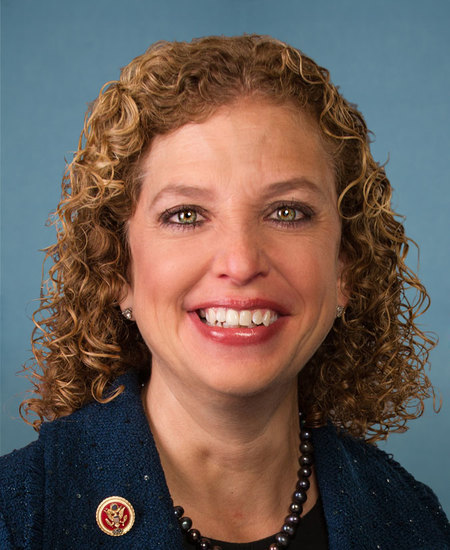
Rep. Debbie Wasserman Schultz
Sponsored bills
Maddy summaryThe Neighborhood Tree Act of 2026 establishes a new federal "Neighborhood Tree Fund" to provide financial assistance for planting and maintaining urban trees. This fund will support states, Indian Tribes, and local governments or community groups in increasing tree canopy and improving urban forest health. The bill prioritizes projects in low-income areas, historically disadvantaged communities, and neighborhoods with less tree cover and higher summer temperatures to address environmental inequities. It authorizes substantial funding, starting at $100 million in fiscal year 2025, and also adjusts an existing advisory council's membership to include representatives from smaller and low-income communities.
Maddy summaryThe PRIMATE Act prohibits the importation of live nonhuman primates into the United States, with specific exceptions for accredited zoos and aquariums. Under this law, importers must certify that these animals will not be used for experiments, testing, or breeding for such purposes. U.S. Customs and Border Protection will deny entry to shipments containing these animals, and violators face civil penalties of up to $50,000 per violation or forfeiture of the animals. The Department of the Treasury is required to issue detailed regulations to enforce these rules within one year of the bill's enactment.
Maddy summaryHR 5543, the Baltic Security Assessment Act of 2025, requires the U.S. State and Defense Departments to submit a report within 180 days of enactment. The report will assess emerging military, cyber, hybrid, and political threats to Estonia, Latvia, and Lithuania, including the roles of Russia, Belarus, China, Iran, and other actors. It will also evaluate U.S. and NATO military presence in the region, opportunities for defense cooperation, and recommendations to strengthen deterrence, cybersecurity, and democratic resilience in the Baltic countries. This bill directly affects U.S. foreign policy and defense planning regarding the Baltics, but does not create new programs or funding.
Maddy summaryHRES 1196 is a House Resolution that formally designates April as "Cancer Prevention and Early Detection Month." The resolution expresses the House of Representatives' support for the goals and ideals of this month, affirming a national commitment to educating the public on disease prevention and commending advancements in multi-cancer early detection efforts.
Maddy summaryThis resolution expresses the sense of the House of Representatives that open water lifeguards qualify as first responders and emergency response providers. It recognizes their essential, lifesaving work and reaffirms their role in protecting lives, property, evidence, and the environment.
Maddy summaryThe Momnibus Act is a comprehensive legislative bill designed to improve maternal health outcomes across the United States by addressing social determinants of health, expanding access to care, and reducing disparities among pregnant and postpartum individuals. The bill establishes a federal task force to coordinate efforts between agencies and stakeholders to eliminate preventable maternal mortality and severe morbidity, while providing sustained funding to community-based organizations to address nonclinical factors like housing, nutrition, and transportation. Key provisions include extending WIC eligibility to 24 months postpartum, creating grants to grow and diversify the perinatal workforce, implementing respectful maternity care training for all healthcare employees, and establishing compliance programs to track and address bias in maternity care settings. The legislation also includes specific measures for incarcerated mothers, veterans, and vulnerable populations affected by climate change, alongside funding for maternal mental health services and technology-enabled care models to expand access in underserved areas.
Maddy summaryThis resolution expresses the sense of the House of Representatives that former President Donald Trump, his Special Envoy Steven Witkoff, and all federal officials must comply with the Constitution's Foreign Emoluments Clause. It specifically calls for them to immediately turn over to the Department of the Treasury any payments received from the United Arab Emirates or other foreign states. Furthermore, the resolution urges them to divest from all business interests linked to foreign governments, including those tied to United Arab Emirates officials.
Maddy summaryThis House Resolution supports designating the week of April 11 through April 17, 2026, as "Black Maternal Health Week." The resolution aims to bring national attention to the maternal and reproductive health crisis in the United States, specifically highlighting the importance of reducing maternal mortality and morbidity among Black women and birthing people.
Maddy summaryThis bill, the Breast Cancer Research Stamp Reauthorization Act of 2026, extends the period during which a special postage stamp can be sold to raise funds for breast cancer research. It amends existing law to change the program's expiration date. Specifically, the bill allows the U.S. Postal Service to continue selling the Breast Cancer Research Stamp until 2037, extending its current authorization which was set to expire in 2027. This change aims to continue providing a dedicated funding source for breast cancer research through stamp sales, affecting stamp purchasers and breast cancer research institutions.