

Maddy summaryHR 3757, the Pride In Mental Health Act of 2025, provides $20 million annually (2026-2030) to fund grants for mental health services targeting LGBTQ+ youth, including nonbinary, intersex, and Two Spirit youth, and their families/caregivers. The bill mandates grantees to provide trauma-informed care, cultural competency training, school bullying prevention guidelines, and evidence-based practices while explicitly prohibiting the use of funds for conversion therapy or its promotion. It also requires the federal government to restore mental health reports on LGBTQ+ youth, conduct a national survey measuring mental health distress, and produce a report on mental health services for LGBTQ+ youth in foster care. The law directly affects these youth populations by expanding access to tailored mental health resources and data collection, with funding administered through the Substance Abuse and Mental Health Administration.
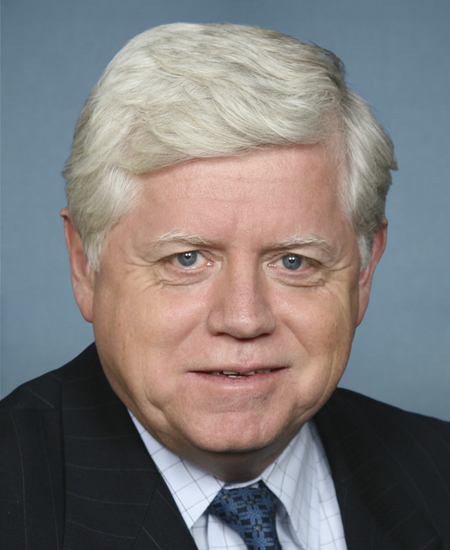
Rep. John B. Larson
Sponsored bills
Maddy summaryThe bill's title ("Protect Vulnerable Immigrant Youth Act") does not align with its actual provisions. HR 3763 amends two sections of the Immigration and Nationality Act to adjust employment-based visa categories, specifically adding "or (J)" to existing numerical limitations and preference allocation rules. These changes would affect certain employment-based visa applicants (e.g., those in categories like "J" for religious workers or other specific employment groups) by removing numerical caps that previously applied to them. The bill contains no provisions related to youth protection, immigration status for minors, or direct safeguards for vulnerable immigrant youth.
Maddy summaryHRES 473 is a non-binding House resolution calling on the U.S. government to urgently use diplomatic efforts to ensure food and medical supplies reach civilians in Gaza. It directly addresses the needs of approximately 2.2 million Palestinians facing acute hunger, including 10,000 children identified with acute malnutrition, following a border blockade that blocked aid from March to May 2025. The resolution specifically urges the White House and State Department to secure "immediate and secure delivery and disbursement" of aid and a lasting end to the conflict, citing collapsed bakeries, exhausted food rations, and a near-total health system collapse.
Maddy summaryThe Family Vaccine Protection Act makes the Advisory Committee on Immunization Practices (ACIP) an official part of federal law, requiring it to provide vaccine recommendations based on strong scientific evidence. It mandates that the CDC Director must adopt ACIP's recommendations unless they don't meet the evidence standard, and if not adopted, the CDC must explain its decision and notify Congress within 48 hours. The bill establishes procedures for ACIP to review new vaccines within 90 days of licensure and to consider breakthrough therapies or public health emergencies. This act aims to strengthen transparency and evidence-based decision-making in vaccine recommendations for the public health system. It affects the CDC, ACIP, and Congress through formalized processes for vaccine policy development.
Maddy summaryThis bill repeals key provisions of the Protection of Lawful Commerce in Arms Act (PLCAA), which previously shielded gun manufacturers and dealers from civil lawsuits. It allows gun trace data from the federal Firearms Trace System to be used as evidence in civil court cases involving gun violence. Victims of gun violence (or their families) who sue gun manufacturers, dealers, or distributors in state or federal court can now access and rely on this trace information. The bill directly changes the legal landscape by removing a major barrier to holding gun industry entities accountable in civil cases. It does not alter criminal proceedings or affect gun ownership rights.
Maddy summaryHR 3680, the "No Corporate Crooks Act," prohibits individuals convicted of specific serious financial crimes from serving in the U.S. executive branch. It directly affects corporate executives (like CEOs) who have been finally convicted of offenses including bribery, fraud, embezzlement, tax evasion, or wage theft. The bill makes such individuals ineligible for appointment to any executive branch position. The key provision is a mandatory ineligibility requirement triggered by a final conviction for any listed covered crime.
Maddy summaryThis bill reorganizes collective bargaining rules for Veterans Health Administration (VHA) employees by removing existing subsections (b), (c), and (d) from Section 7422 of Title 38 and redesignating the current subsection (e) as (b). It directly affects VA health care employees by altering the structure of their collective bargaining framework. The bill explicitly states it does not change the Secretary of Veterans Affairs' existing authorities over incentive pay or expedited hiring under Section 706 of Title 38. The change is purely procedural, focusing on the internal organization of bargaining rules without introducing new employee benefits or obligations.
Maddy summaryHR 3607, the MARSHALS Act, restructures the U.S. Marshals Service by moving it from the Department of Justice to the judicial branch of the federal government. It requires the Chief Justice, in consultation with a new oversight Board, to appoint marshals for each judicial district (with four-year terms) and establishes a Director to lead the Service. The bill expands the Marshals Service’s duties to include protecting judges, court officers, and witnesses from intimidation, and adds specific roles in assisting with sex offender investigations and locating missing children at the Attorney General’s request. These changes directly affect federal marshals, judicial branch operations, and law enforcement coordination with the Department of Justice.
Maddy summaryThis bill prohibits the U.S. military from discriminating against service members or applicants based on gender identity. It bans policies that would deny service, involuntarily separate members, deny medically necessary healthcare, or require service in a gender different from one's identity. The law defines "gender identity" broadly to include a person's internal sense of gender, appearance, and mannerisms, regardless of sex assigned at birth. It directly affects transgender and gender-diverse individuals currently serving or seeking to serve in the Armed Forces.
Maddy summaryHR 3559, the Save Our Forests Act of 2025, requires the U.S. Forest Service to increase staffing for National Forest System lands within 30 days of enactment to support forest health and productivity. It mandates reinstating Forest Service employees terminated between January 20, 2025, and the bill’s enactment date. The bill also directs the continuation of specific existing projects funded under laws like the Inflation Reduction Act and Infrastructure Investment and Jobs Act. These provisions directly affect Forest Service operations, workers, and the management of national forests.