Maddy summaryHR 2532, the Women in NCAA Sports Act, establishes a 16-member Commission to study and compare how the NCAA treats men’s and women’s sports programs. The Commission will examine NCAA operations - including tournament venues, budgets, media contracts, and policies - to identify disparities in treatment across all sports and student-athlete programs. After 18 months, it must submit a report to Congress with findings and recommendations for improving fairness, while avoiding any review of athlete eligibility. The bill directly affects NCAA operations and requires Congress to consider the Commission’s findings for potential policy changes.
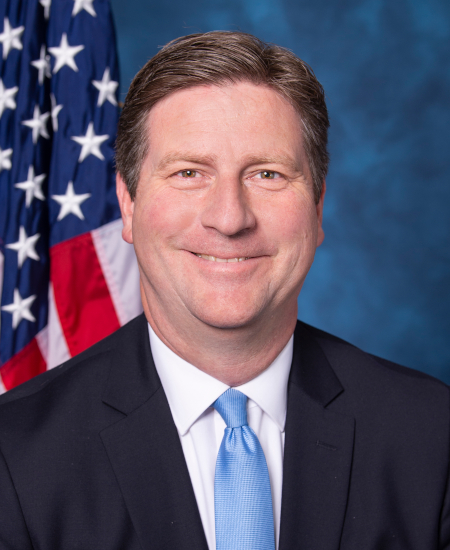
Rep. Greg Stanton
Sponsored bills
Maddy summaryHR 2394, the Protection from Abusive Passengers Act, creates a federal list of passengers who commit specific aviation security offenses, such as assaulting crew members, threatening flight safety, or tampering with security systems. Individuals added to this list are banned from boarding commercial flights until removed through established procedures. The bill requires the Transportation Security Administration (TSA) to develop clear policies for adding individuals to the list, handling appeals within 5 days for potential errors, and maintaining annual reports on the list's composition. These provisions directly affect passengers convicted of or penalized for the specified offenses, aiming to enhance safety by restricting repeat offenders from flying.
Maddy summaryThe International Human Rights Defense Act of 2023 creates a permanent Special Envoy at the State Department to coordinate U.S. efforts against discrimination and violence targeting LGBTQI+ people globally. The bill requires the development of an annual global strategy to address criminalization, discrimination, and violence based on sexual orientation, gender identity, or sex characteristics. It also mandates that U.S. country reports on human rights practices include detailed information about laws and practices affecting LGBTQI+ communities. The legislation authorizes U.S. foreign assistance programs to support LGBTQI+ rights through health services, legal protections, and community capacity building. This bill aims to strengthen U.S. diplomatic engagement on LGBTQI+ rights as part of broader human rights policy.
Maddy summaryHR 1139, the GUARD VA Benefits Act, amends federal law to strengthen penalties for individuals or organizations charging veterans unauthorized fees when helping with VA benefit claims. It directly affects veterans seeking assistance with VA claims and the representatives (like advocates or attorneys) who might charge them fees. The bill adds a new provision making it a violation to solicit, charge, or receive any fee for preparing, presenting, or prosecuting VA claims, punishable by fines under Title 18. This change specifically targets unauthorized fee-charging while excluding fees covered under existing exceptions in sections 5904 or 1984 of the law.
Maddy summaryHR 1818, the Aviation Workforce Development Act, expands tax-advantaged savings plans (529 plans) to cover costs for specific aviation training programs. It allows funds from these plans to pay for tuition, fees, and required materials at FAA-certified aviation maintenance technician schools (Part 147) or commercial pilot training programs (Part 61 or 141). This directly affects students pursuing careers as aircraft maintenance technicians or commercial pilots by making these training costs more affordable through existing tax-advantaged savings. The bill amends the tax code to include these programs under "qualified higher education expenses" for 529 plan distributions.
Maddy summaryHR 1831 would award Billie Jean King a Congressional Gold Medal to honor her lifelong advocacy for equal rights in sports and society. The bill directs the Secretary of the Treasury to strike the medal and have it presented by congressional leaders, recognizing her pivotal role in advancing women's equality through tennis (including founding the Women’s Tennis Association and securing equal prize money) and her broader impact on society through initiatives like Title IX advocacy.
Maddy summaryThis bill changes how U.S. foreign aid is provided to international health organizations. It prevents U.S. agencies from denying aid to foreign non-governmental organizations (NGOs) solely because they offer health services (like counseling or referrals) using their own funds, as long as those services follow local laws. It also stops applying stricter rules about how foreign NGOs can use their own funds for advocacy compared to U.S. NGOs receiving similar aid. The bill directly affects foreign health-focused NGOs that rely on U.S. foreign assistance funding.
Maddy summaryHR 1772, the WHEELChairs on Airplanes Act, requires airlines to follow federal safety standards for transporting lithium-ion-powered wheelchairs and mobility aids, directly affecting travelers with disabilities who use these devices. The bill mandates the FAA to conduct an annual survey of airline policies, identifying any that are stricter than safety standards (49 C.F.R. §175.10), and requires airlines to update noncompliant policies within 180 days or face civil penalties. It ensures airlines cannot arbitrarily deny boarding for compliant devices, aligning with existing disability protections under 49 U.S.C. §41705. The law focuses on enforcement through transparency and accountability, not new travel rules.
Maddy summaryThis bill prohibits colleges receiving federal funds from discriminating against "Dreamer students" in admissions, enrollment, or tuition rates. It requires institutions to treat eligible Dreamers (those meeting specific immigration criteria, like DACA recipients or long-term residents) the same as in-state students for tuition and admissions, and strictly protects their immigration information from disclosure. The bill also allows Dreamers to access federal financial aid for higher education, reversing a 1996 prohibition. These changes apply to all institutions of higher education receiving federal funding.
Maddy summaryHR 1723, the Abortion is Health Care Everywhere Act of 2023, amends the Foreign Assistance Act to remove restrictions on using U.S. foreign aid funds for abortion services. It explicitly allows U.S. foreign assistance programs to fund comprehensive reproductive health care, including abortion services, training, and equipment. This change directly affects U.S. international health programs and recipient countries, enabling them to integrate safe abortion care into broader reproductive health services. The bill aims to align U.S. policy with global health guidelines by making abortion services a standard part of reproductive health care funded through foreign assistance.