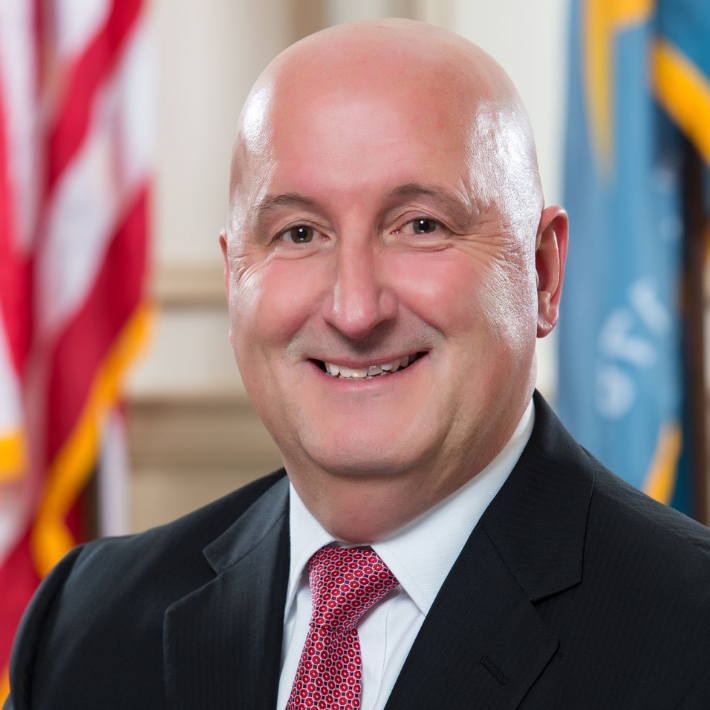
In committee
·
Delaware House
·
Co-sponsor
AN ACT TO AMEND TITLE 5 OF THE DELAWARE CODE RELATING TO LOANS.
This bill imposes a cap on the interest rate that may be charged for “alternative financial services” at an annual rate of interest of 100%. “Alternative financial services” is a term sometimes used for payday loans, installment loans, and other credit products generally targeted towards working class people without access to more traditional banking or credit card services. Over the years, this state and others have made various efforts to regulate the industry, to assure that it is operating fairly and in a non-predatory manner. Generally, lenders in this industry have restructured their loan products to avoid such laws and regulations. See, e.g., James v. National Financial, LLC, 132 A.3d 799, 834-838 (Del. Ch. 2016). By placing a cap on interest rate in Chapter 22, the purpose of this bill is to circumscribe the ability of short-term, sub-prime lenders to take advantage of unsophisticated borrowers – regardless of the name or structure they may give the credit products. By its terms, Chapter 22 does not apply to more traditional financial products offered by banks, credit unions, credit card companies, and the like. Traditional financial products are already extensively regulated by state and federal law, and are less amenable to abuse. The bill also prohibits the use of automated withdrawals on short-term loans regulated by Chapter 22 for delinquency payments or accelerated default payments. It prohibits repeat attempts to make an automated withdrawal for at least 5 days after a declined payment, unless the borrower authorizes another attempt in writing. This will prevent borrowers from being charged multiple fees by their banks for overdrafts or declined withdrawals when licensees try repeatedly in a short time frame to process an automated withdrawal.