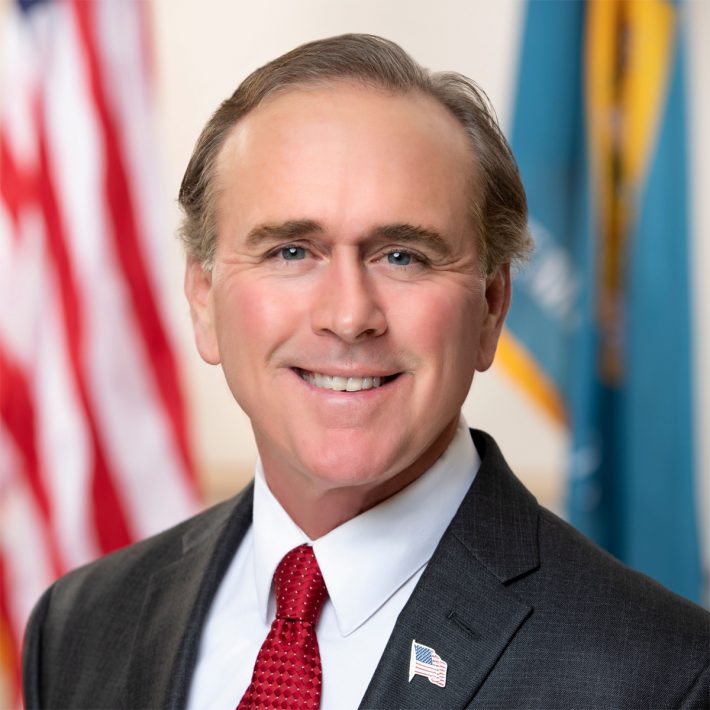
This resolution directs the DIAA to review five years of data on state championships to address the dominance of private schools in athletics. It calls for policy recommendations to ensure fair competition, with a report due to the General Assembly by April 30, 2026.
Sponsored bills
Maddy summarySCR 101 designates July 2025 as "American Patriotism Month" in Delaware through a symbolic resolution. It does not create new laws, impose legal requirements, or affect specific groups. The resolution encourages state agencies and residents to observe the month with activities that honor American patriotism. This is a non-binding gesture expressing legislative recognition, not a policy change.
Maddy summarySCR 107 designates Monday, October 6, 2025, as "National Coaches Day" in Delaware. This symbolic resolution does not create legal obligations or funding but encourages statewide recognition of coaches' contributions. It affects no specific individuals or entities, serving solely as a ceremonial observance. The bill has no policy impact beyond raising awareness for coaches.
Maddy summaryThis Senate Concurrent Resolution (SCR 108) designates October 20-26, 2025, as "Free Speech Week" in Delaware. It is a commemorative resolution with no binding legal effect, intended to recognize and promote awareness of free speech principles. The resolution does not create new laws, alter existing policies, or directly affect any individuals or groups. It serves solely as a symbolic observance by the state legislature.
This Act replaces the phrase "United States Armed Forces or of the National Guard" with "uniformed services of the United States," and defines "uniformed services of the United States" as meaning any of the 8 of the United States service branches and the National Guard. Usage of "Armed Forces" or "military" is often misunderstood to mean only the United States Army, United States Marine Corps, United States Navy, United States Air Force, United States Space Force, and United States Coast Guard. Using "uniformed services of the United States" more accurately includes the National Oceanic and Atmospheric Administration and the United States Public Health Service Commissioned Corp. This Act makes clear that veterans all 8 services branches are qualified to obtain veteran designation on their driver licenses. This Act also makes technical corrections to conform existing law to the standards of the Delaware Legislative Drafting Manual.
This resolution urges Governor Meyer to submit a waiver request to the United States Department of Agriculture (USDA) seeking to prohibit the use of Supplemental Nutrition Assistance Program (SNAP) benefits for the purchase of candy and sugar-sweetened beverages. The resolution aligns with similar efforts in other states to promote healthier food choices among SNAP recipients and to ensure that taxpayer-funded nutrition programs support the health and well-being of low-income individuals and families. By eliminating “junk foods” from the list of eligible purchases, Delaware can take a meaningful step toward reducing diet-related chronic illnesses and strengthening the nutritional integrity of the SNAP program.
Maddy summaryThis Senate Concurrent Resolution (SCR 94) designates June 17th as "Day of Service" across the State of Delaware. It directly affects Delaware residents by formally recognizing this date for community volunteerism and service activities. The resolution has no new funding, regulations, or legal requirements - it is purely symbolic, encouraging public engagement in service efforts. As a procedural measure, it does not change existing laws or policies.
Maddy summarySCR 90 designates the week of June 9-15, 2025, as "Men's Health Week" in Delaware. This ceremonial resolution does not create new laws or allocate funding; it simply establishes a designated period for raising awareness about men's health issues. The resolution directly affects Delaware residents by encouraging state and community organizations to host events or promote resources during that week. It has no binding legal effect beyond the symbolic recognition of the week.
House Bill No. 100 of the 151st General Assembly, House Bill No. 200 of the 152nd General Assembly, and House Bill No. 300 of the 151st General Assembly created dedicated mental health services units for purposes of funding the hire of mental health professionals in Delaware public schools. This Act updates the list of positions that may be funded through mental health services unit funding to include registered nurses authorized to practice by the Delaware Board of Nursing, board-certified assistant behavior analysts, and board-certified behavior analysts. Currently, such professionals may provide mental health services to Delaware students and are employed by Delaware school districts and charter schools, but these positions may not be funded under Title 14 through mental health services units. This Act expands flexibility and further support for school districts and charter schools to meet the needs of Delaware students by adding registered nurses that practice in schools, board-certified assistant behavior analysts, and board-certified behavior analysts to the list of positions that may be funded as described in Chapter 17 of Title 14 of the Delaware Code. This Act also makes technical corrections to confirm to the standards of the Delaware Legislative Drafting manual.
This Act prohibits a school district or charter school from selling or serving breakfast, lunch, or competitive food on campus during the school day that contains the color additive Red dye 40 (CAS no. 25956-17-6). Competitive foods are sold through the school nutrition programs, and include items sold in vending machines on campus or served a la carte. Red dye 40 (CAS no. 25956-17-6) is a synthetic food coloring derived from petroleum. It is found in food products such as cereal, beverages, gelatins, puddings, popsicles, chips, dairy products, and confections. Red dye 40 is used solely to enhance the appearance of food and does not provide any nutritional value. Consumption of Red dye 40 has been associated with hyperactivity, aggression, and other neurobehavioral problems in some children. Red dye 40 may also be linked with migraines and learning difficulties. The European Union requires a warning label to be placed on food products with Red dye 40, stating that it “may have an adverse effect on activity and attention in children”. California became the first state to pass a prohibition on the provision of and sale of foods in schools that contain Red dye 40. Presently, at least 6 other states have introduced legislation to prohibit Red dye 40 in schools. This Act is effective immediately and is to be implemented beginning July 1, 2026. The Department of Education and local education agencies will use the period leading up to the implementation date as a planning and preparation year.