This resolution recognizes April 10 through 16, 2021 as "Week of the Young Child" in Delaware.
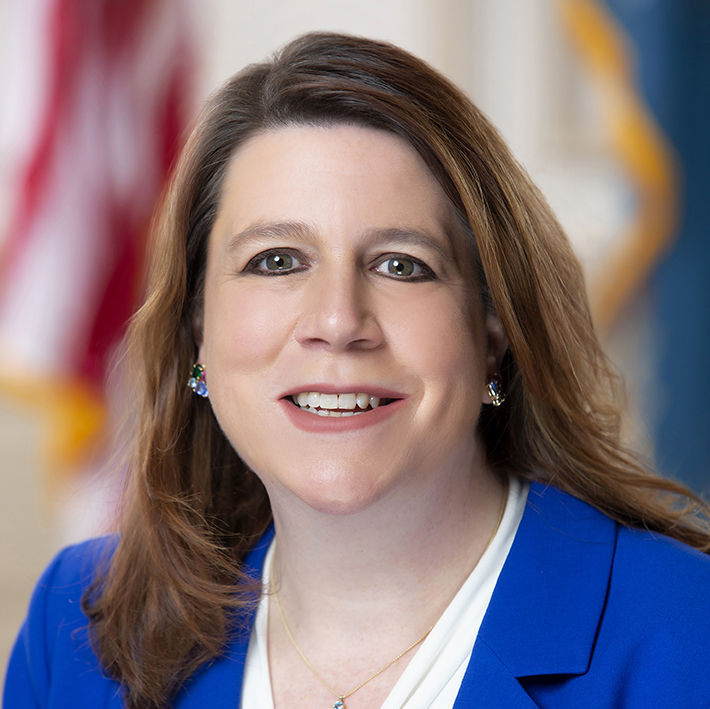
Rep. Krista Griffith
Sponsored bills
This Act limits the use of certain Class B firefighting foams (“Class B foams”) in Delaware. Class B foams are used to put out fires caused by flammable liquids like gasoline, oil, and jet fuel, and can be divided into 2 categories: those with PFAS chemicals and those without. PFAS chemicals include a range of chemistries with differing properties, which have been widely-used for decades in products other than Class B foams, like food packaging, carpets, and other household items, and in firefighting foam. The use of firefighting foams containing PFAS chemicals, however, is an emerging public health challenge to avoid future contamination and reduce exposure to firefighters and Delawareans. Firefighting foam containing PFAS chemicals can get into water wells and drinking water supplies and expose firefighters and others to the chemicals. More studies into the effects of PFAS chemicals are emerging; some of the health effects of exposure to certain PFAS chemicals include pregnancy complications, liver damage, and high cholesterol. The PFAS chemicals in firefighting foams must be weighed against their particularly-effective nature in fighting liquid fires when mixed with water. To that end, this Act prohibits the use of Class B foams containing intentionally-added PFAS chemicals unless the use is for fire prevention or emergency firefighting. Further, this Act permits the use of such foam for training and testing only if the facility in which the training or testing occurs has implemented containment, treatment, and disposal measures to prevent releases of Class B foams containing PFAS chemicals. This Act also makes technical changes to Part IV of Title 16, to reflect its current structure more accurately.
Current Delaware regulations provide that transportation benefits must be provided for students in grades K through 6 who live 1 or more miles from the schools to which district administrators would normally assign them. In grades 7 through 12, the same students are entitled to transportation benefits if they live 2 or more miles from their assigned public schools. See 14 Del. Admin. C. § 1150-12.1. This Act expands transportation benefits to students in grades 7 and 8 who live 1 or more miles from the public schools to which district administrators would normally assign them. This Act takes effect upon enactment and allows immediate implementation while also providing schools until September 1, 2023, to implement. In addition, this Act does the following: - Amends the section header for § 2905, Title 14 to more accurately reflect the section’s subject matter. - Clarifies the Department of Education’s authority to promulgate rules and regulations regarding the transportation of students who are in public elementary and secondary schools. Section 2905 already expressly grants promulgation authority to the Department regarding nonpublic, nonprofit schools. - Clarifies that the new provision of transportation benefits for students in grades K through 8 applies only to students who attend the public school in which their enrollment is based on the residences of their parents; it does not apply to students who attend charter schools or, by choice, schools in different districts. - Makes several technical changes to conform existing law to the standards of the Delaware Legislative Drafting Manual, including changes to consistently refer to “students” instead of using both “students” and “pupils” within the same section.
This resolution recognizes the importance of providing effective counsel to all who are accused, commends the important role played by the Office of Defense Services in fulfilling that mission, and recognizes March 18 as National Public Defense Day.
This House Concurrent Resolution designates March 24, 2021 as "Equal Pay Day" in the State of Delaware.
This House Concurrent Resolution designates the 21st day of the Month of March, 2021 as “Rock Your Socks for World Down Syndrome Day” and celebrates the beauty and contributions that people with Down syndrome make in Delaware.
Food and drink establishments suffered great losses since March, 2020 due to the pandemic including millions of dollars in lost sales and the loss of an tens of thousands of jobs in this State. This Act extends the provisions contained in HB 349 from the 150th General Assembly until March 31, 2022 with the goal of continuing the efforts to try and mitigate the losses this industry has suffered. This bill extends the following provisions in HB 349: (1) Allowing an entity that has a valid on-premise license to sell alcohol to continue to alcoholic beverages as part of transactions for take-out, curbside, or drive-through food service so long as certain conditions are met; (2) Allowing a licensee to continue to use outdoor seating for serving of food and drinks so long as the licensee satisfies certain conditions; (3) Allowing the Commissioner to temporarily suspend a license only if the Commissioner has reasonable grounds to believe that public's safety is at risk and there has been a violation of the law; and (4) Allowing the Commissioner to hold hearings by electronic, telephonic, or remote means.
This bill extends the amount of years an identification card is valid from four (4) to eight (8) years. This bill is necessary for the Division of Motor Vehicles to maintain consistent business processes. The driver license is currently valid for eight (8) years, and this change would maintain consistency with the driver license requirement.
This bill repeals certain provisions in Title 11 relating to abortion including provisions which treat abortion differently than other medical procedures, and provisions which criminalize women and the sale of medical devices and medicines.
This Act establishes a Behavioral Health Professional of the year award program throughout the State. Through this legislation, the state will formally honor and recognize the work behavioral health professionals, such as, school counselors, social workers, licensed clinical social workers, school psychologists, and school nurses.