

Maddy summaryHR 5924, the Pay Our Capitol Police Act, ensures that U.S. Capitol Police officers, civilian staff, and supporting contractors continue receiving pay and benefits during a funding gap for fiscal year 2026. It appropriates temporary funds for salaries, overtime, hazard pay, health benefits, retirement contributions, and contractor payments if regular appropriations aren't enacted by September 30, 2026. These funds are charged to future appropriations once regular funding is approved, preventing pay delays for Capitol Police personnel. The bill directly affects Capitol Police members classified as excepted employees or performing emergency work, along with their supporting staff and contractors. It applies specifically to the Capitol Police during the fiscal year 2026 funding period.
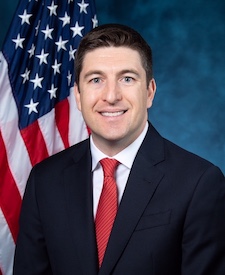
Rep. Bryan Steil
Sponsored bills
Maddy summaryThe Shutdown Fairness Act ensures that certain federal employees performing essential work during government funding gaps receive their regular pay. It applies directly to "excepted employees" (such as border security personnel, air traffic controllers, and military members on active duty) who must work when appropriations lapse. The bill appropriates funds from the Treasury to cover their standard pay, benefits, and allowances during these periods, without requiring new annual appropriations. These payments are later charged to the agency’s regular budget when funding is restored, ensuring no additional costs to Congress. The law takes effect retroactively from September 30, 2025.
Maddy summaryThis bill would require all states to recognize valid concealed carry permits issued by other states, allowing permit holders to carry concealed handguns (excluding machine guns) in any state that either issues such permits or doesn't prohibit concealed carry. It directly affects law-abiding gun owners with valid permits from their home state, ensuring they can carry in states with similar permit systems or no prohibitions. Key provisions include treating valid permit documents as proof of legal carry (reducing officer stops), shifting the burden of proof to prosecutors if challenged, and allowing civil lawsuits for violations with attorney's fee awards. The bill does not override state laws restricting firearms on private property or government land, nor does it affect federal gun restrictions like those in section 922(q).
Maddy summaryThe PEACE Act requires the U.S. President to impose sanctions on Azerbaijani officials, military units, or entities that knowingly aid hostile actions against Armenia. Sanctions include blocking U.S. assets and banning visas for targeted individuals, while exempting transactions involving agricultural commodities, food, medicine, and humanitarian aid. The bill defines "hostile actions" as military aggression causing significant harm to Armenia’s sovereignty or infrastructure. It mandates regular reports on Azerbaijan’s actions and expires after seven years. The law aims to pressure Azerbaijan toward peace negotiations without restricting essential aid.
Maddy summaryHR 5552, the "Eliminate Shutdowns Act," would automatically continue federal funding for most government programs during a funding gap. If Congress fails to pass annual appropriations bills by the start of a fiscal year, the bill would automatically provide funding at the previous year's level for 14 days, extending in 14-day increments until a new funding bill is enacted. This applies to all federal programs except those specifically prohibited or covered by other laws, including maintaining current funding for entitlement programs like food assistance under the Food and Nutrition Act. The bill aims to prevent shutdowns by ensuring continuous operations without requiring new congressional action during the funding gap. It would take effect on September 30, 2025.
Maddy summaryHRES 719 is a House resolution honoring Charles "Charlie" James Kirk, the founder of Turning Point USA who was assassinated on September 10, 2025. The resolution condemns his assassination and all political violence, extends condolences to his family, and calls on Americans to reject violence while promoting civil discourse. It specifically recognizes Kirk's legacy as a defender of constitutional principles and his role in inspiring youth through free speech and faith-based civic engagement. As a commemorative resolution, it does not enact policy changes but formally expresses the House's stance on honoring his life and legacy.
Maddy summaryThis bill reauthorizes federal funding for diabetes programs targeting Type 1 diabetes. It extends annual funding of $160 million for fiscal years 2026 through 2030, continuing existing support for research, treatment, and prevention initiatives. The funds remain available until expended, directly supporting programs serving people with Type 1 diabetes and the organizations delivering these services. The bill makes no changes to program eligibility or structure, only extending current funding levels.
Maddy summaryHR 5401, the Pay Our Troops Act of 2026, ensures military personnel, civilian Defense workers, and supporting contractors receive pay during government funding gaps in fiscal year 2026. It appropriates emergency funds for active-duty service members, reserves, and their supporting personnel (including Coast Guard staff under DHS) if regular appropriations aren't enacted by the end of the fiscal year. The bill provides necessary pay and allowances during any period when full-year funding is unavailable, covering both active service and support roles. Funding expires when regular appropriations are passed, a funding resolution is enacted, or January 1, 2027, whichever comes first. This is a procedural measure to prevent pay delays for military and support staff during fiscal year 2026 funding lapses.
Maddy summaryThis symbolic resolution (HRES 700) condemns the assassination of Charlie Kirk, a conservative campus advocate and founder of Turning Point USA, who was killed on September 10, 2025, at Utah Valley University. It expresses the House's deepest condolences to Kirk’s family, including his wife and children, and honors his work promoting civil discourse among college students. The resolution does not create new laws or policies but serves as a formal expression of the House’s stance on the incident. It directly affects no individuals or groups through legislative action, as it is purely a ceremonial statement.
Maddy summaryHRES 702 is a symbolic resolution condemning the September 10, 2025, assassination of Charlie Kirk, founder of Turning Point USA and a conservative political activist. It expresses condolences to his family, praises first responders, and reaffirms the right to peaceful assembly. As a non-binding resolution, it does not create new laws or policies but serves as a formal statement of condemnation. The resolution directly addresses the House of Representatives' stance on this event, with no direct impact on constituents or legislation.