Maddy summaryHR 4986, the Parents Opt-in Protection Act, amends federal law to require written permission before schools administer certain student surveys or evaluations. It directly affects students (especially minors) and their parents, requiring schools to obtain prior written consent from the student (if an adult or emancipated minor) or the parent (for minors) for each specific survey. The bill clarifies that schools cannot force participation without this written consent for surveys related to sensitive topics like health or behavior. This change updates existing consent rules from verbal permission to a written requirement for targeted school assessments.
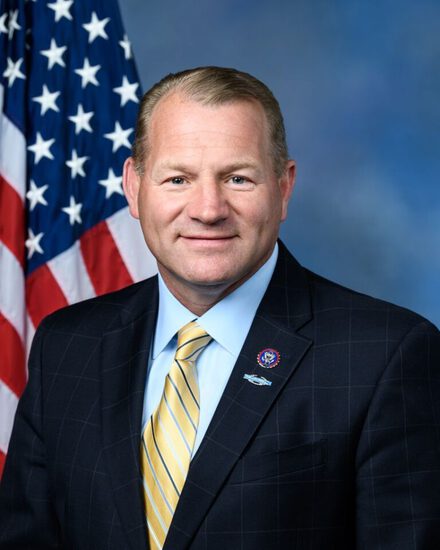
Rep. Troy E. Nehls
Sponsored bills
Maddy summaryHR 2978, the GUARD Act, allows state, local, and tribal law enforcement agencies to use existing federal grant funds for investigating elder financial fraud, "pig butchering" investment scams, and general financial fraud. The bill directs these funds toward hiring specialized staff, training on blockchain tools and transnational fraud, purchasing investigative software, improving data collection, and creating financial sector liaisons to coordinate with banks. It requires annual reports from law enforcement on fund usage and outcomes, and mandates federal agencies to submit comprehensive reports to Congress on scam statistics, enforcement actions, and funding allocation. The legislation directly affects law enforcement agencies and aims to strengthen efforts against fraud targeting vulnerable populations, particularly elderly individuals.
Maddy summaryHR 1266, the Combating Illicit Xylazine Act, adds xylazine - a veterinary sedative increasingly found in illicit drug mixtures - to Schedule III of the Controlled Substances Act, regulating its use and trafficking. It directly affects veterinarians, animal owners, and manufacturers by allowing xylazine to be legally dispensed for animal use under specific veterinary prescriptions, while prohibiting non-veterinary human use. The bill includes transition periods (60 days for practitioners, 1 year for labeling) to ease compliance for manufacturers and practitioners, and requires the DEA and FDA to expedite necessary applications. It also mandates two congressional reports on xylazine's illicit use and trafficking patterns, and directs the Sentencing Commission to review penalties for offenses involving xylazine.
Maddy summaryThis bill requires all new passenger vehicles manufactured for sale in the U.S. to include AM radio as standard equipment (not an optional add-on) by 2027-2028, depending on manufacturer size. It mandates that AM radio receivers must be easily accessible to drivers and allows compliance through digital AM broadcast technology. During a transition period, manufacturers must clearly label vehicles without AM radio but cannot charge extra for this feature. The bill also mandates a GAO study on AM radio's role in emergency alerts and includes a 10-year sunset provision for the rule. It preempts state laws regarding AM radio access in vehicles.
Maddy summaryThe Make Apportionment Great Again Act would change how U.S. House seats are distributed among states by excluding noncitizens from the population count used for apportionment. It requires the Secretary of Commerce to recalculate state populations using existing federal and state government records, without conducting a new census, and mandates that future censuses include a question on citizenship status. The bill establishes a legal presumption that any resulting changes in seat allocation are valid, allowing courts to overturn them only with clear evidence of statutory or constitutional violations. Additionally, it creates an expedited judicial process for legal challenges, requiring cases to be heard by three-judge panels and permitting direct appeal to the Supreme Court.
Maddy summaryThis bill requires the Federal Aviation Administration to equip specific contract air traffic control towers with advanced situational awareness tools within one year of enactment. It mandates the installation of Airborne Position Reference Tools at towers lacking these systems and ensures that towers without Standard Terminal Automation Replacement Systems receive necessary equipment and maintenance support. The legislation also updates funding rules to cover the costs of acquiring and operating these new tools and establishes training programs to help controllers effectively use the technology. Additionally, the bill provides financial reimbursement to airports that have already purchased similar systems before the federal government installs them.
Maddy summaryThis bill requires the Federal Aviation Administration (FAA) to improve transparency and efficiency in certifying new aircraft and technologies. Specifically, it mandates the FAA to publish a public plan for streamlining the type certification process, establish standard timelines for key milestones (like safety reviews), and create clearer criteria for when technical questions arise. The changes directly affect aircraft manufacturers - especially those developing advanced air mobility vehicles like air taxis - and FAA staff managing certifications. By setting predictable timelines and reducing recurring paperwork, the bill aims to accelerate innovation while maintaining safety standards.
National Law Enforcement Officers Remembrance, Support and Community Outreach Act. [ sic ] This bill temporarily directs the Department of the Interior to award a grant to the National Law Enforcement Officers Memorial Fund for the expenses associated with operating and enhancing the community outreach, public education, and officer safety and wellness programs of the National Law Enforcement Museum.
Maddy summaryHR 1869 creates a new DOJ task force within the Criminal Division to investigate and prosecute international trade crimes, such as customs evasion, smuggling, and trade-based money laundering. It requires the DOJ to hire specialized prosecutors, coordinate with agencies like U.S. Customs and Border Protection, and focus on specific violations covered under statutes like 18 U.S.C. §§ 541-546 and 21 U.S.C. § 331. The bill authorizes $20 million in funding for fiscal year 2026 (with 80% dedicated to criminal prosecutions), mandates annual reports to Congress on enforcement activities, and requires the DOJ to develop multi-agency partnerships to address these crimes. This directly affects federal prosecutors, border enforcement agencies, and industries impacted by trade violations.
Maddy summaryThe Stop Auto Fraud Act of 2026 creates a new federal crime for individuals who knowingly stage or fabricate motor vehicle accidents to submit false insurance claims. The bill directly affects people involved in these schemes by imposing penalties that include fines and up to 10 years in prison, with sentences increasing to 20 years if serious bodily injury occurs and potentially life imprisonment if the fraud results in death. Additionally, any criminal fines collected under this new law must be deposited into the Highway Trust Fund rather than general government revenue.