Maddy summaryThis bill amends House rules to ban Members, Delegates, and Resident Commissioners from having sexual relationships with House employees, while allowing exceptions for married couples. It requires the Ethics Committee to create confidential procedures for requesting exemptions, which are only permitted if the employee does not report to the Member and does not work on their committee. The new regulations mandate that Members disclose these relationships privately and allow the Ethics Committee to take necessary actions to protect the integrity of the institution.
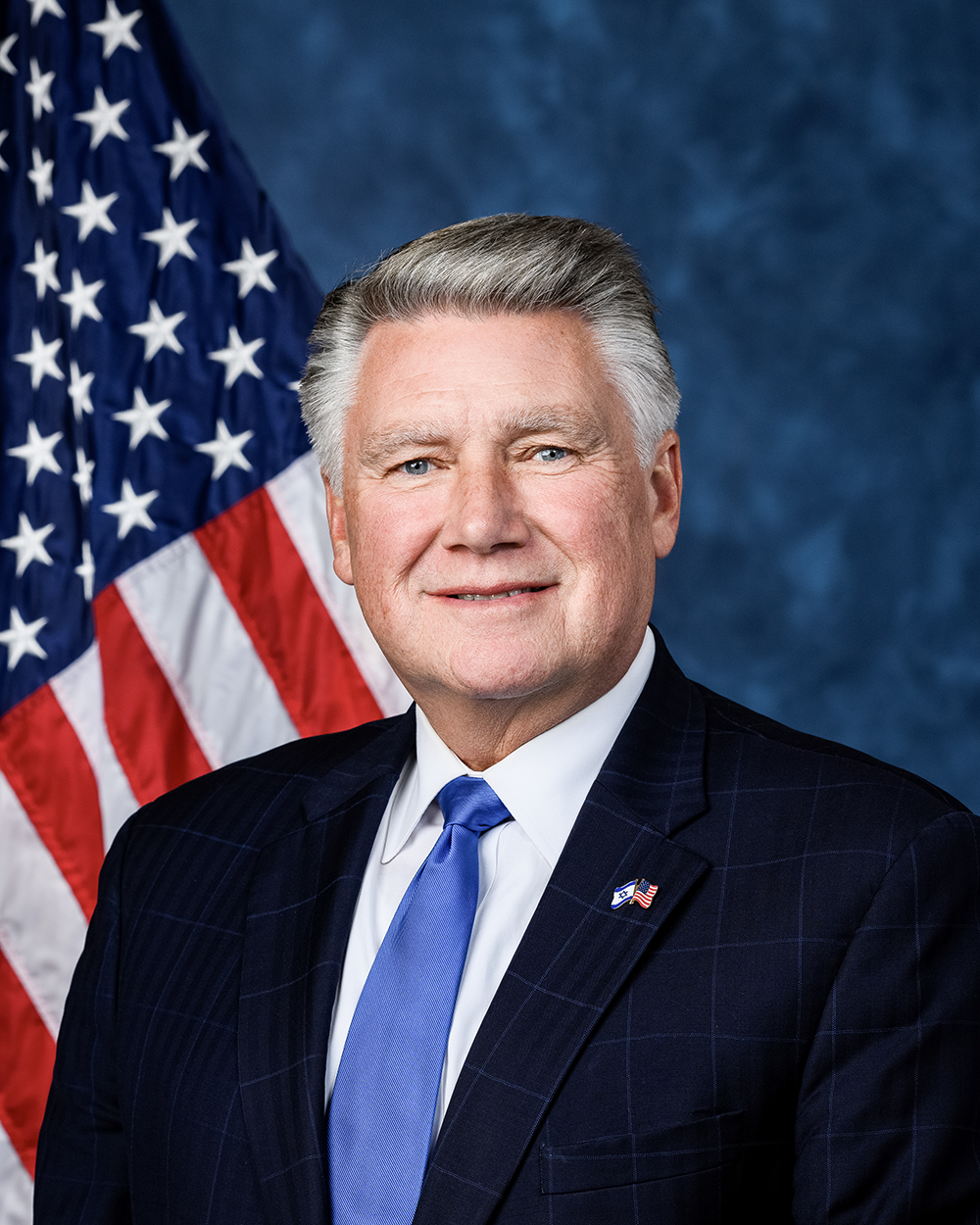
Rep. Mark Harris
Sponsored bills
Maddy summaryThis bill transfers the administration of various postsecondary education programs from the Department of Education to the Department of Labor. It directly affects students participating in specific federal initiatives, such as TRIO programs, grants for historically black colleges and universities, and assistance for veterans and students with disabilities. The key mechanism involves moving all related duties, funding, and personnel to the Labor Department while repealing a few other specific programs. Once the transfer occurs, the Labor Secretary will manage these functions using the same authorities previously held by the Education Secretary, ensuring that existing applications and legal proceedings continue without interruption.
Maddy summaryThis bill, known as the Less Bureaucracy, Better K-12 Education Act, transfers the responsibility for administering numerous federal K-12 education programs from the Department of Education to the Department of Labor. These programs include funding for disadvantaged students, teacher development, literacy initiatives, and support for rural and homeless children, among others. The legislation mandates that all related personnel, funds, and legal authorities move to the Department of Labor, while ensuring that existing grants and pending applications remain valid during the transition. Once the transfer is complete, all future references to the Department of Education regarding these specific programs will legally refer to the Department of Labor instead.
Maddy summaryHR 7184, the PRESS Act, targets equipment used to manufacture illegal drugs by making it unlawful to sell specific items like tableting machines, gelatin capsules, or related chemicals when the seller knows the equipment will be used to produce controlled substances for unlawful U.S. importation. It directly affects manufacturers and distributors of these drug-making tools who have knowledge or reasonable cause to believe their products will facilitate illegal drug trafficking. The bill adds new prohibitions to the Controlled Substances Act and increases potential prison sentences for violations, with penalties reaching up to 20 years for major offenses involving large quantities of equipment or chemicals. These changes aim to disrupt the supply chain for illicit synthetic drugs by holding equipment sellers accountable for their intended use.
Protecting Privacy in Purchases Act This bill prohibits payment card networks from using merchant codes that distinguish firearms retailers from general-merchandise retailers or sporting-goods retailers. The Department of Justice must enforce this bill and report annually on the resulting investigations and cases.
Maddy summaryThis resolution expresses support for the Trump administration's efforts to prevent fraud, waste, and abuse in the Supplemental Nutrition Assistance Program (SNAP). It highlights specific findings from 29 states that shared data, noting issues such as deceased individuals receiving benefits and people using incorrect Social Security numbers. The bill aims to increase transparency and ensure taxpayer dollars are redirected to eligible low-income families rather than being lost to criminal actors.
Maddy summaryThis bill, titled the Permanent Trump Secure Border Act, aims to strengthen border security and reform immigration enforcement by directing the Department of Homeland Security to resume and complete the construction of a physical border wall, expand the use of surveillance technology, and increase staffing levels for Border Patrol agents. It also imposes stricter rules on asylum eligibility and employment authorization for applicants, mandates the reopening of specific immigration detention facilities, and requires the return of individuals arriving from contiguous foreign countries to those nations while their claims are processed. Additionally, the legislation expands penalties for visa overstays, limits the use of certain digital tools like the CBP One app, and includes provisions to reduce funding for organizations that facilitate illegal entry or provide services to inadmissible aliens.
Maddy summaryThe PARITY Act modifies the Higher Education Act by removing specific regulatory requirements related to institutional accreditation. This change directly affects colleges and universities by eliminating the need to comply with the repealed provisions regarding their status and oversight. The bill achieves this by amending Section 487 to delete a specific paragraph and an entire subsection that previously imposed these rules.
Maddy summaryThis resolution formally congratulates the Carolina Hurricanes on winning the 2026 Stanley Cup, marking the franchise's first championship in two decades. The bill recognizes the team's historic playoff run, their economic impact on Raleigh, North Carolina, and their community contributions to veterans and disaster relief efforts. It also honors specific individuals, including Captain Jordan Staal and Head Coach Rod Brind'Amour, for their leadership and achievements during the season. Ultimately, the House directs the Clerk to send a copy of the resolution to the team's owner, general manager, and head coach while acknowledging North Carolina as a hockey state.
Maddy summaryThe End EPA Abuse Act of 2026 amends the Clean Air Act to limit the Environmental Protection Agency's authority to create new regulations. Specifically, it prohibits the EPA Administrator from issuing rules that restrict the sale or use of internal combustion engine vehicles, force power plants to switch fuel sources, or reduce the reliability of the electric grid. The bill also bars the agency from mandating technologies that are commercially unavailable, too expensive without subsidies, or technically unfeasible due to geographic or infrastructure limitations. Additionally, the law prevents the EPA from expanding its regulatory power beyond what Congress originally intended. These changes directly affect the EPA's ability to enforce environmental standards and impact industries such as automotive manufacturing and energy production.