Maddy summarySB 778 creates a 10% tax credit for property owners who convert commercial or industrial buildings into residential or mixed-use developments, covering eligible conversion costs. It requires that 10% of units in these new developments be designated as affordable housing. Municipalities receive 0.25 housing unit-equivalent points for each new unrestricted dwelling unit created through such conversions, as verified by a certificate of occupancy. The bill aims to incentivize repurposing underused properties into housing while promoting affordable options and supporting local housing goals.
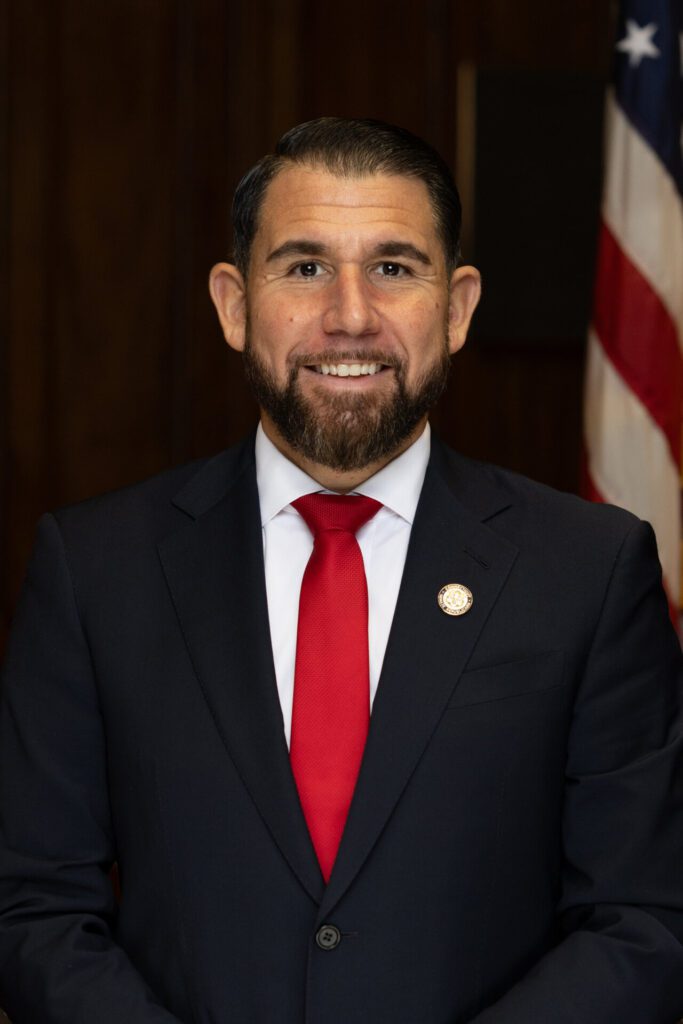
Sen. Paul Cicarella
Sponsored bills
Maddy summarySB 776 establishes a working group to study challenges faced by conservators - people managing others' finances in court-appointed roles - within the probate court system. The group will examine specific issues like delays in payments to conservators, requirements for fee waivers, compensation levels, and how slow court decisions affect Medicaid eligibility for clients. This bill does not change laws but creates a study group to develop recommendations for addressing these operational problems. The working group will include experts from the judiciary, social services, and probate law. (Bill: SB 776, 2025 General Assembly)
Maddy summaryHB 5355 creates a standardized process for setting and adjusting special education tuition costs paid by local school districts. It requires the Department of Education to base costs on each provider's current and prior year budgets, set uniform rates across student placements (except for customized services), and cap annual increases to the current cost plus a budget-reviewed adjustment. For-profit providers must include a predetermined profit margin in their costs. The bill directly affects school districts funding special education, special education providers (public and private), and the Department of Education, which must post all set costs online. The stated purpose is to reduce local costs through a transparent, capped tuition system.
Maddy summarySB 592 would require Connecticut public school youth sports teams to limit participation based on a student's assigned sex at birth. It directly affects public school students, particularly transgender and non-binary youth, by barring them from teams matching their gender identity unless no comparable team exists for their gender. The bill mandates that students can only join teams corresponding to their birth sex, with the exception allowing female-identified students to join boys' teams only when no girls' team is available. This policy change alters existing participation rules by prioritizing birth sex over gender identity for public school athletic eligibility.
Maddy summarySB 607 increases legislative oversight of the State Contracting Standards Board by requiring the Governor to appoint a board chair within 30 days (with an acting interim chair if not appointed), mandating legislative confirmation for the chair, and creating an investigation team under the Chief Procurement Officer with access to all procurement records. The bill also reduces the board’s membership from 14 to 11 members, with specific appointment rules for legislative leaders. This directly affects state procurement processes and the board’s structure, aiming to improve efficiency and compliance in state contracting. The changes streamline leadership appointments and enhance accountability through greater legislative involvement.
Maddy summarySB 593 requires Connecticut's Department of Education to create a model policy for high school apprenticeship programs, based on guidance from the U.S. Department of Labor. This policy would provide a framework for schools to establish structured apprenticeship opportunities for students. The bill directly affects high schools seeking to develop or expand work-based learning programs for students. It does not create new programs but sets a standard for how such programs should be designed and implemented. The legislation focuses on developing a model, not mandating specific school participation.
Maddy summarySB 633 establishes a working group to study whether veterans should be exempt from bus fare fees on state-owned or state-controlled public transportation. The group, composed of representatives from the Department of Transportation and the Department of Veterans Affairs, will analyze this proposal and submit recommendations to the legislature by December 31, 2025. This bill does not change current fee policies but initiates a formal review process to determine if veterans would receive fare exemptions. The study directly affects veterans who use public buses, as it would determine whether they could potentially avoid paying fares under a future policy.
Maddy summarySB 614 reestablishes the Legislative Program Review and Investigations Committee and requires the Auditors of Public Accounts to conduct performance audits of state agencies. These audits must evaluate agency programs for efficiency, effectiveness, performance, and compliance with laws. The bill mandates that the Auditors produce reports on their findings and that the committee hold public hearings where audited agencies must respond to the recommendations. This directly affects all state agencies subject to audits and the Auditors of Public Accounts, who must now implement this regular review process.
Maddy summarySB 626 would exempt municipalities (cities and towns) from the state's paid sick leave laws by amending the definition of "employer" in section 31-57r of the general statutes. This change means local governments would no longer be required to provide paid sick leave to their own employees under the current statute. The bill directly affects municipal employees and the municipalities themselves as employers. The key mechanism is a narrow statutory amendment removing municipalities from the scope of the paid sick leave requirements.
Maddy summarySB 556 establishes a property tax cap limiting annual increases to 2% or the inflation rate (whichever is higher), effective July 2027, directly affecting all property owners statewide. It also creates a task force to review and recommend repealing unfunded state mandates on local governments by January 2026. Unfunded mandates refer to state laws requiring municipalities to spend money without providing corresponding funding. The bill aims to control tax growth while addressing financial pressures on local governments from state-imposed costs.