Maddy summarySB 395 establishes a task force to study strategies for achieving 100% voter participation in the state by 2030, including examining policies requiring voting as a civic duty and assessing election administration needs. The task force, composed of legislative leaders, state officials, and gubernatorial appointees, must report findings and recommendations by February 2027, including potential funding for municipal efforts. The bill also authorizes local governments to create pilot programs - within existing resources - to boost voter engagement, such as outreach campaigns, without mandating new voting requirements. It focuses on research and local experimentation, not direct policy changes to election laws.
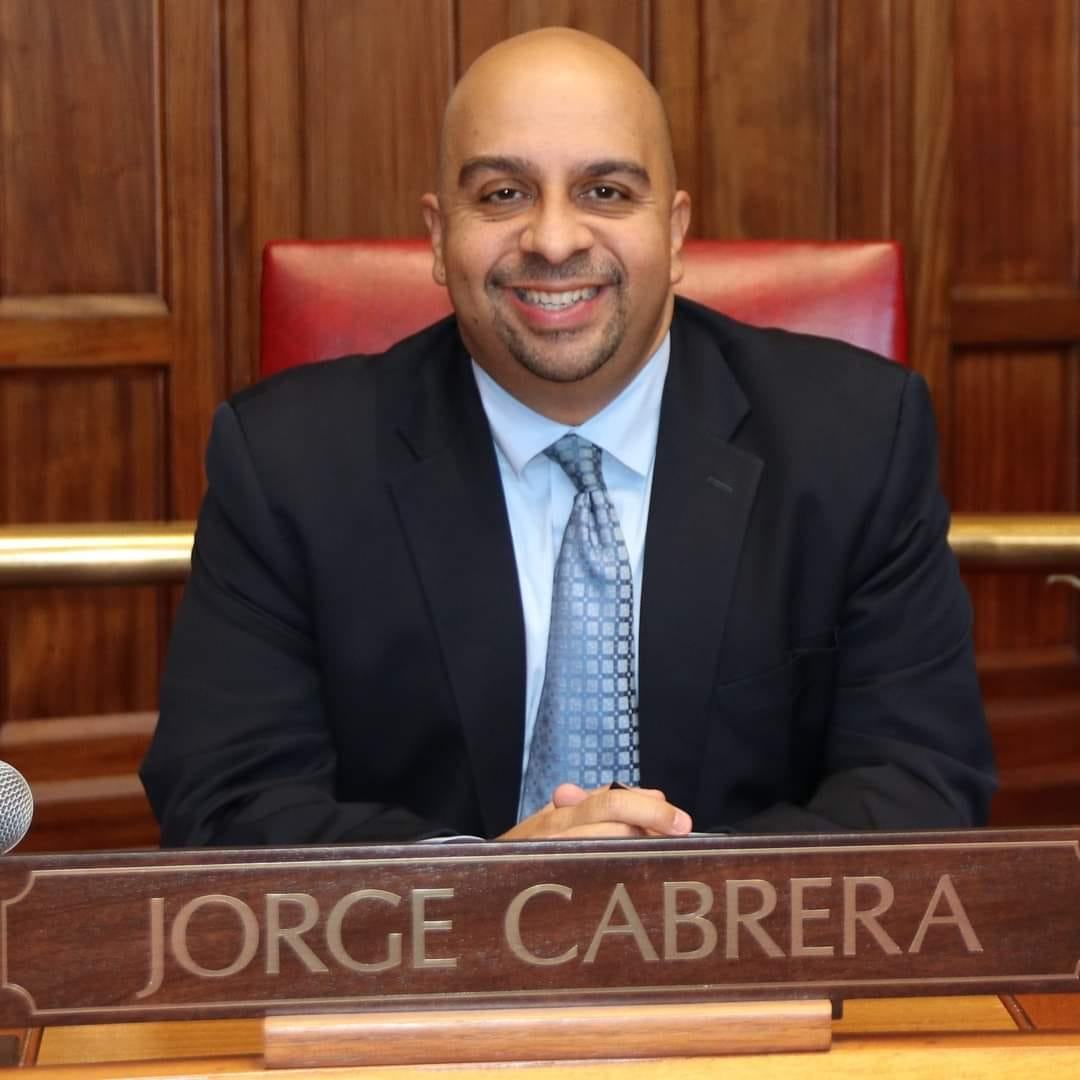
Sen. Jorge Cabrera
Sponsored bills
Maddy summaryThis bill creates a public reporting system for double utility poles, which are two poles located within six feet of each other due to incomplete replacement work. It requires the Commissioner of Energy and Environmental Protection to launch an online reporting platform by July 1, 2026, where any person can submit reports with location details and photographs. The commissioner will compile quarterly lists of these reports and share them with electric distribution companies, telephone companies, and municipal electric utilities starting October 31, 2027. The legislation defines specific utility pole types and establishes clear timelines for implementing the reporting infrastructure.
Maddy summarySB 269 requires the Labor Commissioner to study employees' rights in the state and submit a report to the legislature by January 1, 2027. The study will examine current employee rights, and the report may include recommendations for future legislation. This bill does not create new rights or laws but directs a formal review process. It directly affects the Labor Commissioner and the legislative committee handling labor matters. The bill is procedural, focusing on gathering information rather than implementing policy changes.
Maddy summaryThis bill establishes a new fund to provide a one-time $100,000 death benefit to the surviving families of correction officers and investigators from specific state agencies who are killed in the line of duty. The fund is financed through available appropriations and interest earnings, with payments distributed on a first-come, first-served basis to eligible survivors including spouses, dependent children, and other family members listed on beneficiary forms. The bill also defines key terms such as "killed in the line of duty" and "dependent child," and requires the Comptroller to submit annual reports on fund expenditures and balances to relevant legislative committees. Additionally, the legislation repeals an existing tax provision related to income derived from the death benefit.
Maddy summarySB 353 amends Connecticut law to require employers to provide reasonable accommodations for employees experiencing conditions related to menopause, directly affecting working women in the state. It expands existing anti-discrimination protections by adding menopause to the list of conditions requiring accommodations, such as allowing seated work, flexible breaks, modified schedules, or temporary light-duty assignments. The bill defines "reasonable accommodation" and clarifies that employers cannot claim "undue hardship" for minor, low-cost adjustments. This change takes effect October 1, 2026, and applies to all employers covered under Connecticut’s anti-discrimination law.
Maddy summarySB 133 establishes the Connecticut-India Trade Commission to facilitate bilateral trade and investment between Connecticut and India. The commission, composed of 12 appointed members (including legislative leaders, commerce committee representatives, higher education and business advocates, and Indian-American community representatives), will advance trade relations through joint policy initiatives, business/academic exchanges, and infrastructure investment promotion. It must submit annual reports starting in 2028 to the Governor and relevant legislative committees. This procedural bill creates a formal body to coordinate trade efforts but does not enact new laws or directly affect specific businesses or residents.
Maddy summaryHB 5275 requires construction contractors to be jointly responsible for paying unpaid wages owed to workers by their subcontractors on covered projects. It directly affects construction workers, contractors, and subcontractors working on most private construction, renovation, or rehabilitation projects (excluding public works and small residential homes). The key provision makes contractors liable for subcontractors' unpaid wages, effective October 1, 2026, while allowing contractors to include wage payment clauses in contracts - provided these don’t limit workers’ legal rights. The bill also updates wage recovery procedures under existing law, ensuring workers can seek double wages plus fees for unpaid compensation.
Maddy summarySB 8 creates a new Supplemental Graduate Student Loan Program administered by Connecticut's Higher Education Supplemental Loan Authority. It provides state-funded loans to graduate students enrolled in eligible programs (requiring a bachelor's degree) starting July 1, 2026, with funding secured through a $10 million state bond issue. The program uses a dedicated account to issue loans for graduate education, with repayment terms established by the loan authority. This directly affects Connecticut graduate students seeking financial support for advanced degree programs.
Maddy summaryHB 5144 appropriates funds to cover the cost difference between federal reimbursement rates for reduced-price school meals and full-price meals. It directly affects public school districts participating in federal meal programs by allowing them to provide free breakfasts to all students and free lunches to students already eligible for reduced-price meals. The bill’s key mechanism is reimbursing districts for the gap between what the federal government pays and the actual cost of serving these meals. This policy change ensures schools can maintain these meal programs without charging eligible students, as specified in the bill’s purpose statement.
Maddy summaryHB 5177 creates a tax credit for manufacturers in the state who donate equipment or supplies to manufacturing training programs at public middle or high schools. This directly affects manufacturers by offering them a financial incentive to contribute to school programs, and public schools with manufacturing training initiatives by providing them with needed resources. The key provision allows manufacturers to claim a tax credit equal to the value of qualifying donated equipment or supplies, reducing their state tax liability. The bill aims to strengthen school-industry partnerships by making it more financially appealing for manufacturers to support vocational education.