Issue · Criminal Justice

Criminal Justice (Law Enforcement)

Every criminal justice bill, vote, and legislator stance in Connecticut, automatically classified by Maddy, our AI policy reader.

Total bills
19
2026 Regular Session
Top supporter
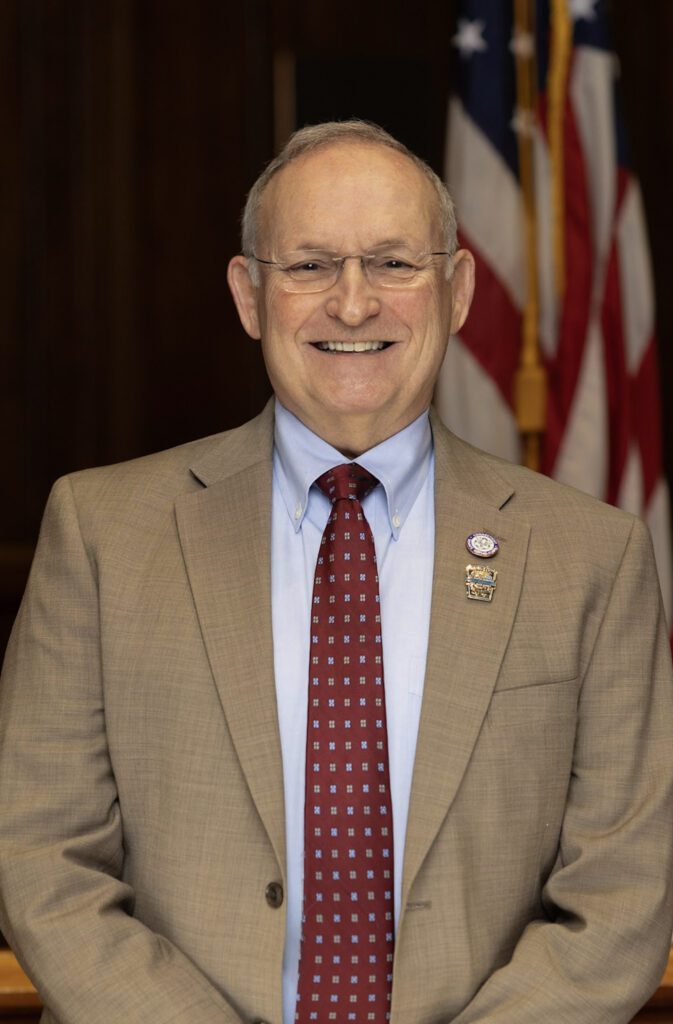
John Fonfara
100% support rate
Top opponent
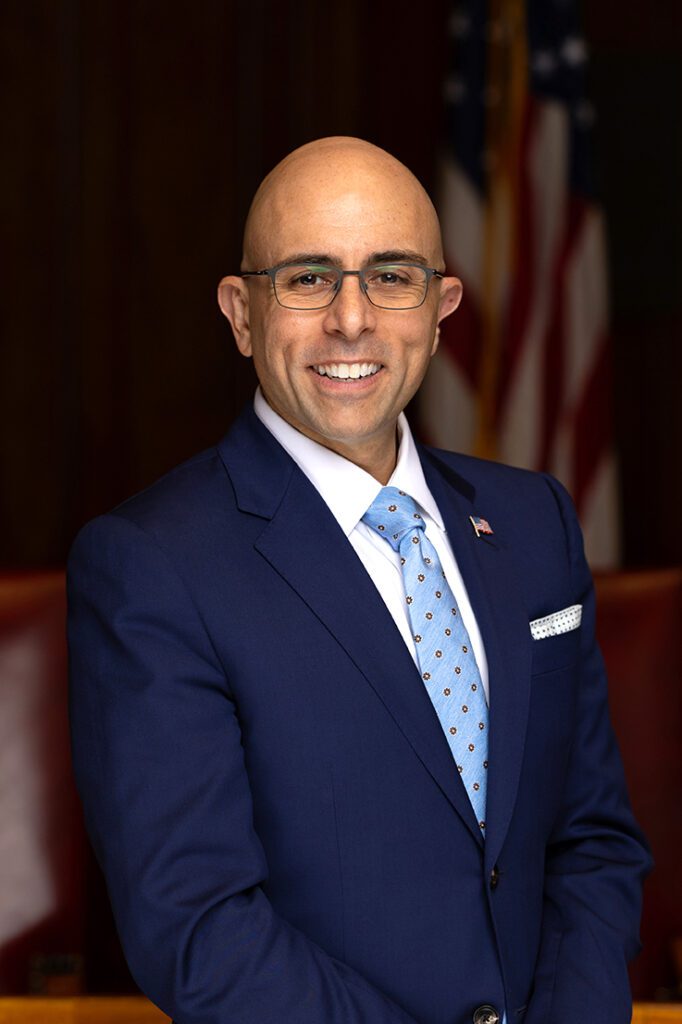
Tony Hwang
0% support rate
Ranked legislators
10
5 support · 5 oppose
Key legislators

Who's moving law enforcement in Connecticut

Legislators moving law enforcement in Connecticut
Legislator Party Stance Support rate Votes
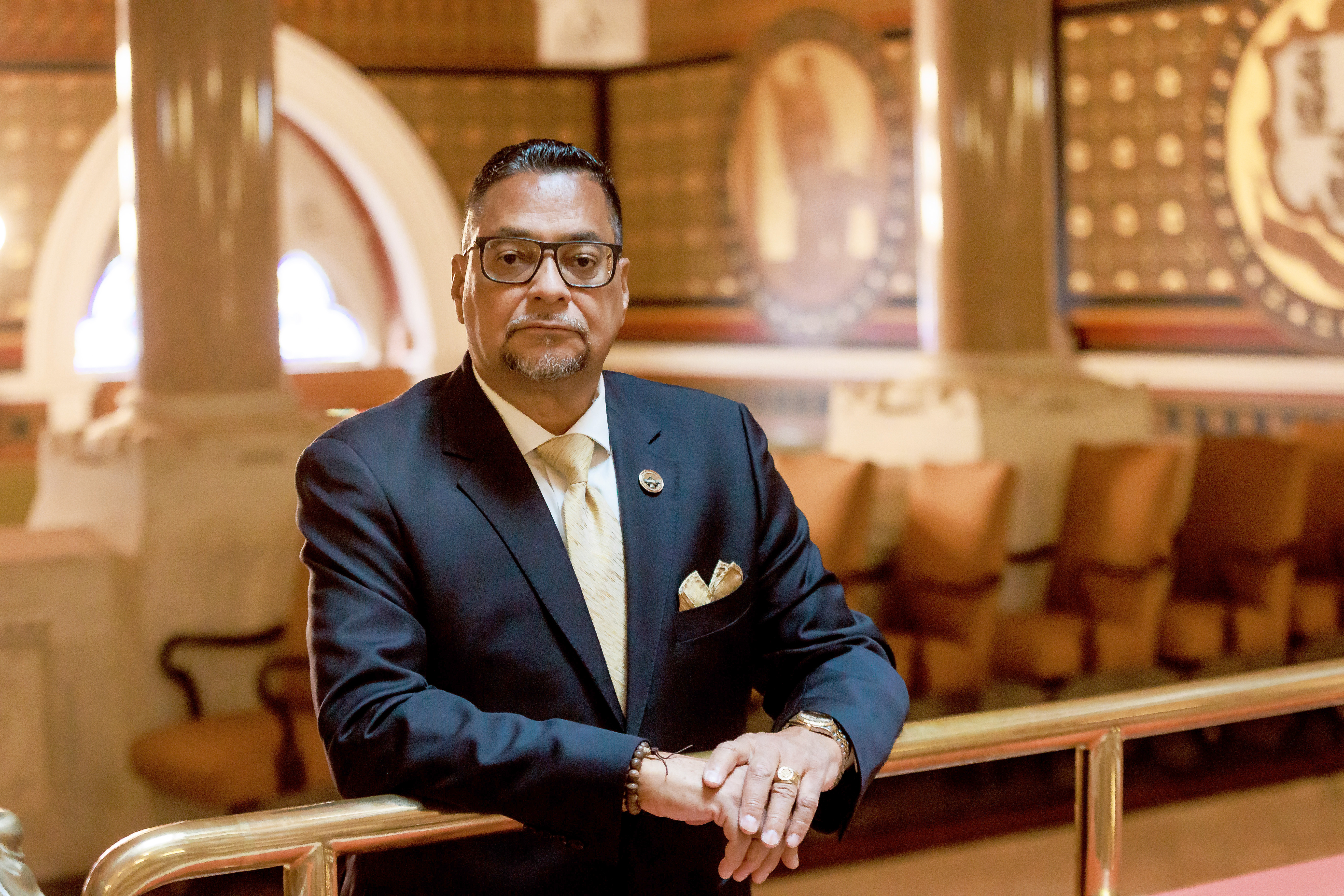
John Fonfara
John Fonfara Senate · District 1
D
Strong +
100% 7
Bill Heffernan
Bill Heffernan House · District 115
D
Strong +
100% 4
Chris Poulos
Chris Poulos House · District 81
D
Strong +
100% 4
Geraldo Reyes
Geraldo Reyes House · District 75
D
Strong +
100% 4
Jaime Foster
Jaime Foster House · District 57
D
Strong +
100% 4
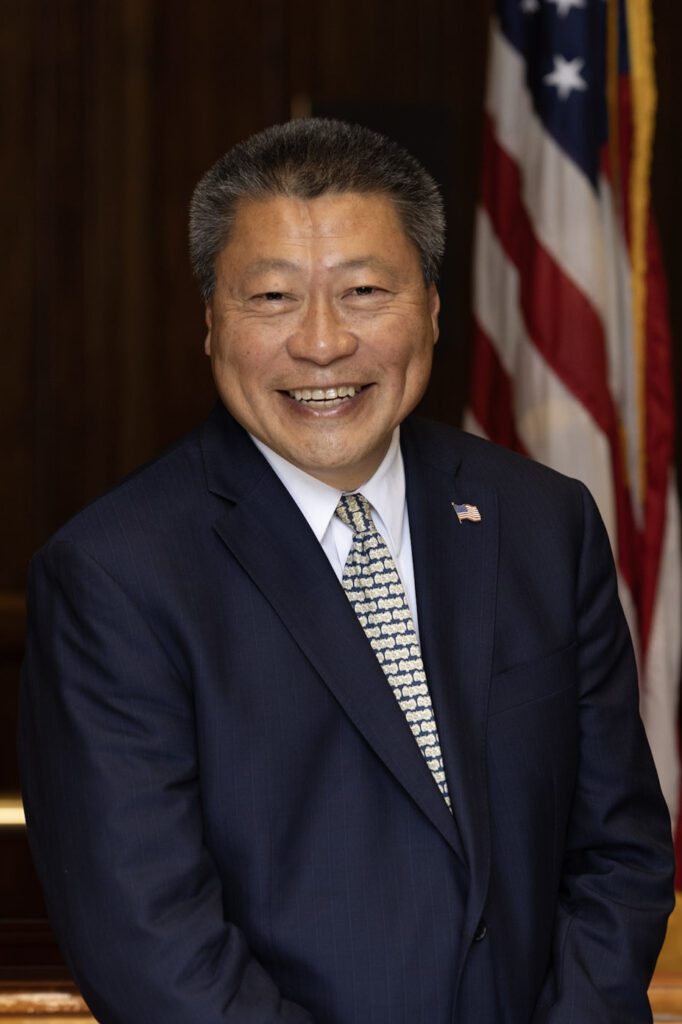
Tony Hwang
Tony Hwang Senate · District 28
R
Strong −
0% 4
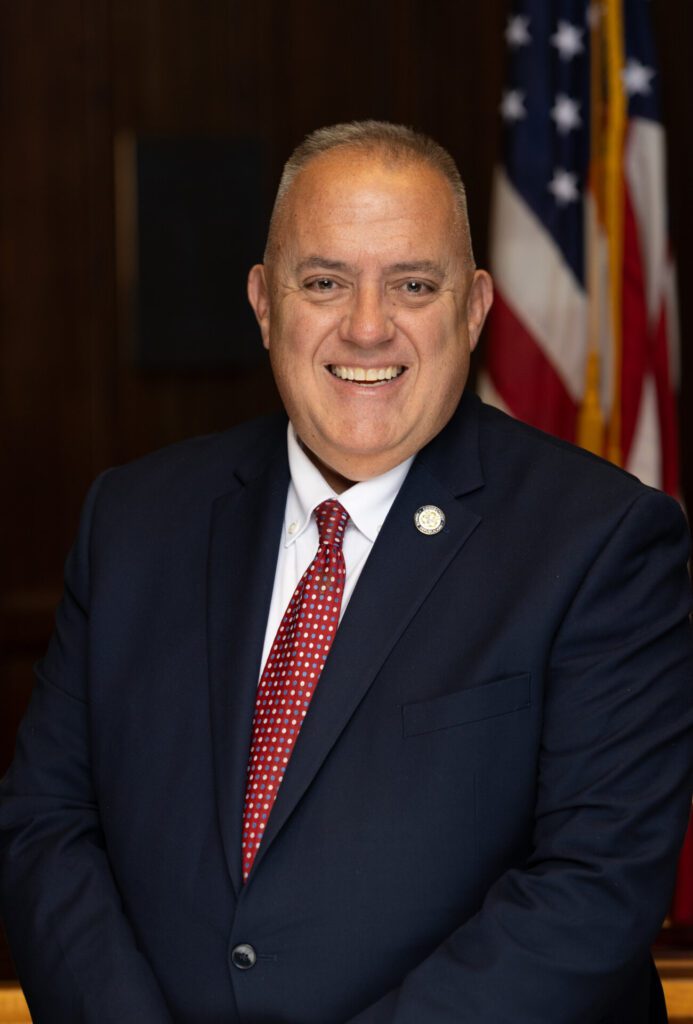
Eric Berthel
Eric Berthel Senate · District 32
R
Strong −
12% 8
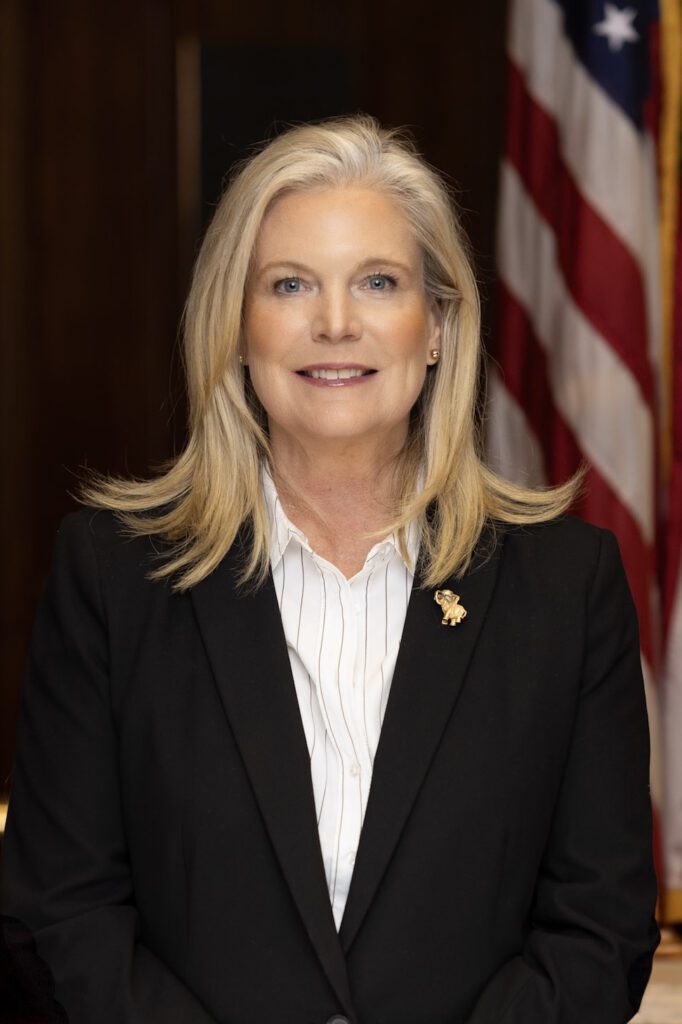
Heather Somers
Heather Somers Senate · District 18
R
Strong −
12% 8
Henri Martin
Henri Martin Senate · District 31
R
Strong −
12% 8
Jason Perillo
Jason Perillo Senate · District 21
R
Strong −
12% 8
Showing 1–10 of 19 bills

All criminal justice bills

in committee · Connecticut · House Mar 5, 2026

HB 5448: AN ACT CONCERNING FEDERAL OFFICERS, EMPLOYEES OR AGENTS.

This bill establishes two main policy changes regarding federal law enforcement personnel. First, it clarifies that federal officers, employees, or agents do not have immunity from prosecution for actions taken under federal law unless those actions were both authorized by law and necessary to perform their official duties. Second, it extends existing hiring restrictions to federal law enforcement officials, prohibiting local police departments from hiring individuals who were previously dismissed for malfeasance or serious misconduct, or who resigned or retired while under investigation for such issues. The law also requires law enforcement units to notify other agencies and the state training council when a former officer with such a history applies for a position elsewhere. These provisions include exceptions for federal officers who are exonerated of all allegations against them.
in committee · Connecticut · House Apr 1, 2026

HB 5458: AN ACT PROHIBITING THE DIVISION OF STATE POLICE AND MUNICIPAL POLICE DEPARTMENTS FROM ACCEPTING CERTAIN FEDERAL GRANTS RELATED TO CANNABIS GROWN ON PRIVATE LAND.

This bill prohibits the Division of State Police and municipal police departments from accepting federal grants to conduct programs related to the surveillance, search for, or destruction of cannabis grown on private land. The law directly affects state and local law enforcement agencies by restricting their ability to use federally funded resources for these specific activities. It does not prevent police from performing these duties using state or local funds, nor does it change existing laws regarding cannabis enforcement. The restriction takes effect on October 1, 2026, and applies only to grant-funded programs rather than general police operations.
in committee · Connecticut · House Apr 9, 2026

HB 5449: AN ACT CONCERNING AUTOMATED LICENSE PLATE READER SYSTEMS.

This bill restricts how Connecticut public agencies and law enforcement can use automated license plate reader systems starting October 1, 2026. It limits their use to specific purposes like weighing station operations, vehicle maintenance, and comparing plates against criminal or missing person databases, while requiring most collected data to be deleted within seven days. The legislation also prohibits using this technology to monitor individuals based on protected characteristics such as race, gender identity, or immigration status, and bans collecting data near reproductive health facilities or immigrant-serving organizations.
Sub-Topics Law Enforcement
in committee · Connecticut · House Apr 9, 2026

HB 5552: AN ACT CONCERNING REQUIREMENTS FOR STATE CONTRACTS CONCERNING AUTOMATED LICENSE PLATE READER INFORMATION.

This bill establishes new rules for contracts between Connecticut public agencies and companies that operate automated license plate readers, effective October 1, 2026. It requires these contracts to prohibit vendors from selling, sharing, or storing license plate data outside the state without specific written permission, and mandates that vendors agree to Connecticut law and local courts for any legal disputes. The bill also classifies license plate information as confidential, limiting public access except for vehicle owners or non-identifying data used for auditing. These provisions aim to control how private companies handle vehicle data collected by law enforcement and traffic monitoring systems.
Sub-Topics Law Enforcement
signed · Connecticut · Senate Jun 4, 2026

SB 483: AN ACT ESTABLISHING THE CRIME OF DIGITAL DEFRAUDING.

This bill establishes a new crime called digital forgery, which applies to anyone who creates and shares fake images or audio recordings of people with the intent to cause financial harm. The law defines a digitally forged likeness as content that looks or sounds real but was created using computer systems without the person's consent. It makes this a misdemeanor or felony depending on whether the act was part of a larger scheme, but it exempts law enforcement officers acting in their official duties. The bill also protects online platforms from liability unless they knew the content was being created or shared illegally.
Sub-Topics Law Enforcement
passed · Connecticut · Senate Apr 9, 2026

SB 402: AN ACT REVISING THE DEFINITION OF "RETIRED POLICE OFFICER" FOR PURPOSES OF CERTAIN PROVISIONS REGARDING SCHOOL SECURITY SERVICES.

This bill updates the definition of "retired police officer" to clarify who can be hired for armed security work in Connecticut public schools. It specifically disqualifies individuals who are prohibited from being hired by law enforcement units due to past misconduct, such as dismissal for malfeasance or resignation during an investigation. To qualify, retired officers must have served with local, state, federal, or out-of-state police agencies, retired in good standing, and meet federal standards for qualified retired law enforcement officers. The law also requires these officers to complete annual firearms training and exempts them from certain licensing requirements.
in committee · Connecticut · Senate Apr 9, 2026

SB 492: AN ACT CONCERNING SECURITY OF PUBLIC OFFICIALS AND EMPLOYEES.

This bill restricts the disclosure of residential addresses for a wide range of public officials and employees under the state Freedom of Information Act. It directly affects judges, law enforcement officers, firefighters, elected officials, and other government workers who are at risk for safety concerns. The law requires agencies to redact these individuals' home addresses from public records upon request, while still allowing their business addresses to be disclosed. Officials must submit a written request and provide their work address to trigger this protection, which takes effect 90 days before elections for certain local election officials. The changes become effective on October 1, 2026.
Sub-Topics Law Enforcement
in committee · Connecticut · House Mar 5, 2026

HB 5439: AN ACT CONCERNING CIVIL IMMIGRATION DETAINERS FOR PERSONS WHO ARE CHARGED WITH THE COMMISSION OF A CLASS A, B OR C FELONY OR A FAMILY VIOLENCE CRIME.

This bill restricts how local law enforcement agencies can share information with federal immigration authorities, specifically prohibiting officers from responding to immigration detainer requests for individuals charged with certain serious crimes. The legislation directly affects state and local police, correctional officers, probation officers, and school security personnel by limiting their ability to assist federal agencies in detaining or transferring individuals who have been charged with Class A, B, or C felonies or family violence offenses. Key provisions include banning law enforcement from providing federal immigration authorities with non-public information about an individual's release dates, addresses, or compliance with probation terms, and preventing agencies from allowing federal officers to interview detainees or use jail facilities for immigration enforcement activities. The bill also defines specific types of confidential information that cannot be shared, including details about an individual's sexual orientation, victim status, witness role, or financial records.
in committee · Connecticut · House Apr 9, 2026

HB 5548: AN ACT CONCERNING REVISIONS TO THE FREEDOM OF INFORMATION ACT CONCERNING EMPLOYEE RESIDENTIAL ADDRESSES AND CERTAIN HIGHER EDUCATION RECORDS.

This bill amends Connecticut's Freedom of Information Act to protect the residential addresses of specific public employees, including judges, law enforcement officers, firefighters, and social workers, from being disclosed in public records. It requires agencies to redact these addresses from released documents and lists when individuals in these roles submit a written request for privacy and provide a business or office address instead. The law also extends similar protections to municipal election officials, with special timing rules that apply before and after elections. While business addresses and office locations remain publicly accessible, the residential addresses of covered personnel can no longer be shared through FOIA requests once they have opted for confidentiality.
Sub-Topics Law Enforcement Tags Government Transparency
in committee · Connecticut · House Apr 1, 2026

HB 5451: AN ACT CONCERNING POSSESSION OF A FIREARM ON SCHOOL GROUNDS BY A CERTIFIED POLICE OFFICER.

This bill allows certified police officers to carry firearms on school grounds at any time, regardless of whether they are performing official duties. It directly affects law enforcement officers certified under section 7-294d and modifies existing rules that previously restricted firearm possession on school property to only those actively performing official duties. The legislation creates an exception to the felony charge for unauthorized firearm possession on school grounds, which remains a class D felony for all other individuals. The change takes effect on October 1, 2026, and does not impose additional costs on state or municipal budgets.
Showing 1 to 10 of 19 bills
1 2 Next