

Issue · Budget & Taxes
Budget & Taxes
Every budget & taxes bill, vote, and legislator stance in Connecticut, automatically classified by Maddy, our AI policy reader.
Total bills
366
2026 Regular Session
Top supporter
Eilish Collins Main
80% support rate
Top opponent
Cara Pavalock-D'Amato
30% support rate
Ranked legislators
10
5 support · 5 oppose
Key legislators
Who's moving budget & taxes in Connecticut
| Legislator | Party | Stance | Support rate | Votes |
|---|---|---|---|---|

Eilish Collins Main
House · District 146
|
D |
Strong +
|
80% | 21 |

Jonathan Steinberg
House · District 136
|
D |
Strong +
|
80% | 25 |

Maryam Khan
House · District 5
|
D |
Support
|
75% | 27 |

Fred Gee
House · District 126
|
D |
Support
|
73% | 26 |
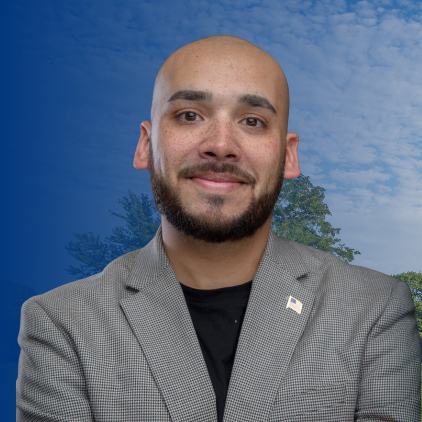
Raghib Allie-Brennan
House · District 2
|
D |
Support
|
73% | 26 |

Cara Pavalock-D'Amato
House · District 77
|
R |
Oppose
|
30% | 25 |

Anne Dauphinais
House · District 44
|
R |
Oppose
|
31% | 28 |
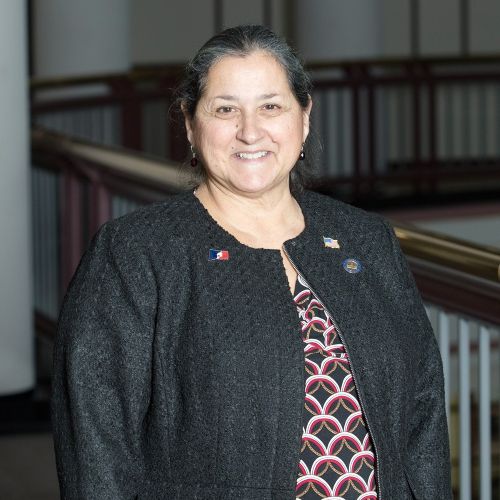
Donna Veach
House · District 30
|
R |
Oppose
|
31% | 28 |
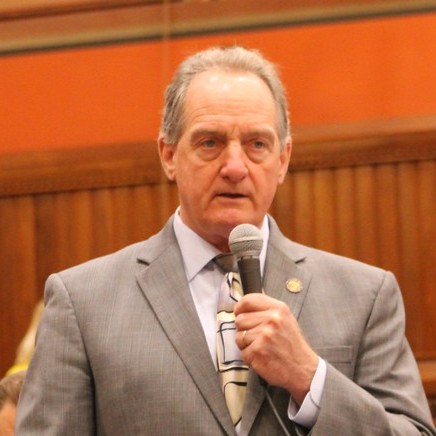
John Piscopo
House · District 76
|
R |
Oppose
|
31% | 28 |
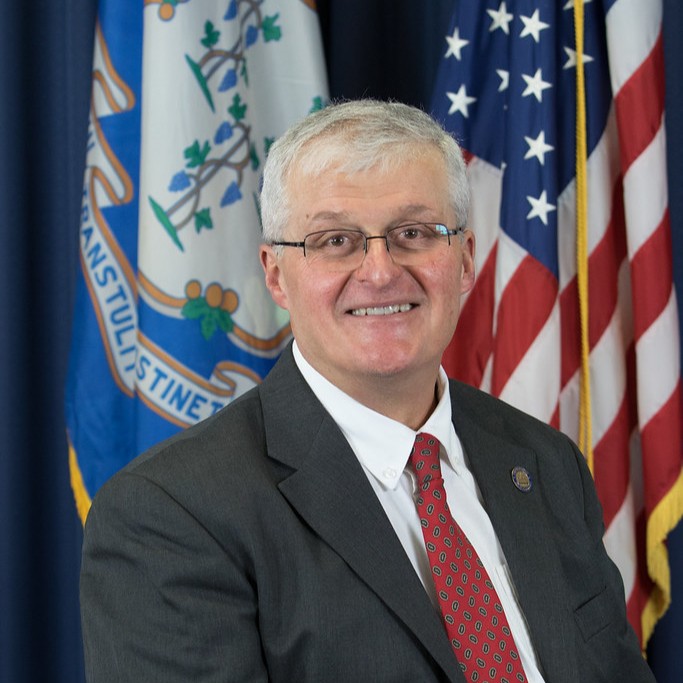
Mark DeCaprio
House · District 48
|
R |
Oppose
|
31% | 28 |
Showing 51–60 of 366
bills
All budget & taxes bills
HB 5191: AN ACT AUTHORIZING BONDS OF THE STATE FOR A FIRE SERVICE DISPATCH SYSTEM FOR THE CITY OF NORWICH.
Sub-Topics
Debt & Bonds
SB 143: AN ACT ENTITLING TOWNS TO FULL REIMBURSEMENT UNDER THE EXCESS COST GRANT.
Topics
✓ Budget & TaxesSupports Budget & TaxesBill requires full state reimbursement for special education costs, increasing state spending on public education funding by eliminating partial town reimbursement.
✓ EducationSupports EducationEnsures full state reimbursement for special education costs, directly increasing funding certainty for towns providing these services.
Sub-Topics
Special Education
HB 5164: AN ACT CONCERNING THE USE OF FUNDS IN THE TOBACCO SETTLEMENT FUND.
Topics
✓ Budget & TaxesSupports Budget & TaxesDirects $12M-$32M annually from Tobacco Settlement Fund to tobacco prevention programs, aligning with CDC recommendations and funding essential public health initiatives.
✓ HealthcareSupports HealthcareBill allocates $32M annually to tobacco prevention/control programs (public health), aligning with CDC funding standards for tobacco control initiatives.
HB 5243: AN ACT ESTABLISHING A WORKING GROUP TO DEVELOP AN ECONOMIC DEVELOPMENT AND TOURISM PLAN FOR THE GREATER MYSTIC AREA.
Topics
✓ Budget & TaxesSupports Budget & TaxesBill authorizes $8M in state bonds for economic development projects, requiring state appropriations for repayment, directly advancing government spending under budget/fiscal management.
✓ TransportationSupports TransportationFunds dock/pier improvements, parking garage, shuttle boat service, and riverwalk - direct transportation infrastructure projects to boost tourism and economic activity.
SB 153: AN ACT EXPANDING MEDICAID ELIGIBILITY FOR OLDER ADULTS WITH DISABILITIES.
Topics
✓ Budget & TaxesSupports Budget & TaxesExpands Medicaid eligibility requiring increased state funding for essential healthcare services, directly advancing public service funding under budget/tax policies.
✓ HealthcareSupports HealthcareExpands Medicaid eligibility for older adults with disabilities by disregarding Social Security income, increasing healthcare access and coverage for a vulnerable population.
HB 5144: AN ACT CONCERNING FUNDING FOR SCHOOL MEALS.
Topics
✓ Budget & TaxesSupports Budget & TaxesBill appropriates state funds to cover meal cost gaps, increasing public service funding for school meals. Direct budget allocation supports fiscal management of education spending.
✓ EducationSupports EducationFunds school meal program gaps, enabling universal free breakfasts and expanded lunch access for eligible students, directly increasing school meal funding and access.
✓ HealthcareSupports HealthcareFunds school meals, a public health program improving student nutrition access under healthcare's public health category.
Sub-Topics
Student Health
SB 179: AN ACT AUTHORIZING BONDS OF THE STATE FOR CAPITAL IMPROVEMENTS AT MIDDLESEX COMMUNITY COLLEGE.
Topics
✓ Budget & TaxesSupports Budget & TaxesAuthorizes state bonds for public college infrastructure funding, directly allocating government resources to support public education through capital improvements.
✓ EducationSupports EducationAuthorizes state bonds for college infrastructure upgrades, directly funding physical improvements at Middlesex Community College, aligning with infrastructure support indicators.
HB 5233: AN ACT AUTHORIZING BONDS OF THE STATE FOR IMPROVEMENTS TO WATER AND SEWER INFRASTRUCTURE IN THE TOWN OF MANCHESTER.
Topics
✓ Budget & TaxesSupports Budget & TaxesAuthorizes $5M state bonds for essential infrastructure funding, directly increasing public spending on critical services.
✓ EnvironmentSupports EnvironmentFunds water/sewer infrastructure upgrades via DEEP to prevent pollution and ensure clean water, directly advancing environmental protection.
Sub-Topics
Debt & Bonds
HB 5153: AN ACT CONCERNING MINOR REVISIONS TO DEPARTMENT OF ENERGY AND ENVIRONMENTAL PROTECTION RELATED STATUTES.
Topics
✓ Budget & TaxesSupports Budget & TaxesAllocates state funds for EV rebates targeting low-income households, directly funding a new program under state budget priorities.
✓ EnergySupports EnergyCreates EV rebate program for clean vehicles prioritizing low-income and environmental justice communities, advancing renewable energy adoption and reducing fossil fuel dependence.
✓ EnvironmentSupports EnvironmentCreates EV rebates prioritizing environmental justice communities and low-income households, promoting clean energy adoption and reducing emissions through vehicle incentives.