

Issue · Budget & Taxes
Budget & Taxes
Every budget & taxes bill, vote, and legislator stance in Connecticut, automatically classified by Maddy, our AI policy reader.
Total bills
366
2026 Regular Session
Top supporter
Eilish Collins Main
80% support rate
Top opponent
Cara Pavalock-D'Amato
30% support rate
Ranked legislators
10
5 support · 5 oppose
Key legislators
Who's moving budget & taxes in Connecticut
| Legislator | Party | Stance | Support rate | Votes |
|---|---|---|---|---|

Eilish Collins Main
House · District 146
|
D |
Strong +
|
80% | 21 |

Jonathan Steinberg
House · District 136
|
D |
Strong +
|
80% | 25 |

Maryam Khan
House · District 5
|
D |
Support
|
75% | 27 |

Fred Gee
House · District 126
|
D |
Support
|
73% | 26 |

Raghib Allie-Brennan
House · District 2
|
D |
Support
|
73% | 26 |

Cara Pavalock-D'Amato
House · District 77
|
R |
Oppose
|
30% | 25 |

Anne Dauphinais
House · District 44
|
R |
Oppose
|
31% | 28 |

Donna Veach
House · District 30
|
R |
Oppose
|
31% | 28 |
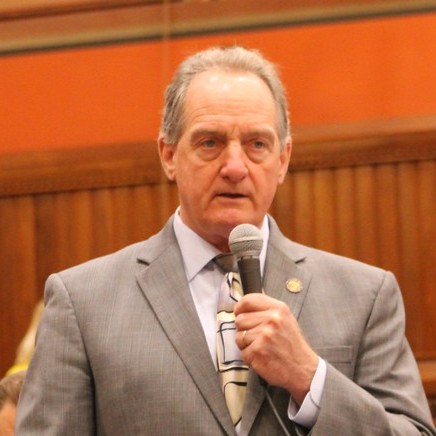
John Piscopo
House · District 76
|
R |
Oppose
|
31% | 28 |

Mark DeCaprio
House · District 48
|
R |
Oppose
|
31% | 28 |
Showing 301–310 of 366
bills
All budget & taxes bills
HB 5137: AN ACT ESTABLISHING A REFUNDABLE TAX CREDIT FOR NEWS ORGANIZATIONS THAT COVER LOCAL COMMUNITIES IN THE STATE.
Topics
✓ Budget & TaxesSupports Budget & TaxesEstablishes refundable tax credit ($15k/$25k per journalist) to fund local journalism, directly using tax incentives to support news organizations as a fiscal policy.
✓ Labor & EmploymentSupports Labor & EmploymentDirectly funds journalist employment via tax credits ($15k/existing, $25k/new), advancing labor sector jobs without ambiguity.
HB 5061: AN ACT CONCERNING THE PROPERTY TAX CREDIT AGAINST THE PERSONAL INCOME TAX FOR A PRIMARY RESIDENCE OR MOTOR VEHICLE.
HB 5007: AN ACT FULLY REIMBURSING MUNICIPALITIES FOR REVENUE LOSS ASSOCIATED WITH A VETERANS PROPERTY TAX CREDIT.
Topics
✓ Budget & TaxesSupports Budget & TaxesState fully reimburses municipalities for revenue loss from veterans' tax credit, preventing budget shortfalls and ensuring fiscal stability for local governments.
✓ VeteransSupports VeteransReimburses municipalities for revenue loss from veterans' property tax credit, ensuring continued benefit access without financial burden on local governments.
HB 5010: AN ACT EXEMPTING TIPS OR GRATUITIES AND OVERTIME PAY FROM THE PERSONAL INCOME TAX.
Topics
✓ Budget & TaxesSupports Budget & TaxesExempts tips/overtime from income tax, providing direct tax relief to lower/mid-income workers in hospitality and hourly sectors, aligning with tax relief indicators.
✓ Labor & EmploymentSupports Labor & EmploymentExempts tips/overtime from tax, increasing take-home pay for hospitality/hourly workers, directly supporting income retention and financial well-being.
HB 5109: AN ACT REPLACING THE CANNABIS TOTAL THC TAX WITH AN EXCISE TAX.
Sub-Topics
Sales Tax
HB 5192: AN ACT ESTABLISHING A PERSONAL INCOME TAX DEDUCTION FOR TIPS OR GRATUITIES.
Topics
✓ Budget & TaxesSupports Budget & TaxesCreates tax deduction for service workers' tips, reducing taxable income and lowering tax burden for middle/lower income earners in the service industry.
✓ Labor & EmploymentSupports Labor & EmploymentProvides tax deduction for declared tips, reducing taxable income and lowering tax burden for service workers, directly increasing their take-home pay.
HB 5139: AN ACT ESTABLISHING AN ESTATE TAX RECAPTURE FOR CERTAIN ESTATES AND AN ALTERNATIVE MINIMUM ESTATE TAX.
SB 377: AN ACT ESTABLISHING A PERSONAL INCOME TAX DEDUCTION FOR MILITARY FUNERAL HONOR GUARD DETAIL COMPENSATION.
Topics
✓ Budget & TaxesSupports Budget & TaxesCreates tax deduction for military compensation, reducing taxable income and providing targeted tax relief to active/reserve personnel.
✓ VeteransSupports VeteransCreates tax deduction for military funeral honor guard compensation, directly recognizing veteran service through financial benefit to active/reserve members.
HB 5069: AN ACT AUTHORIZING BONDS OF THE STATE FOR ROAD WORK IN THE TOWN OF NEW MILFORD.
Topics
✓ Budget & TaxesSupports Budget & TaxesAuthorizes state bonds for road repairs, allocating public funds toward infrastructure spending - a direct budgetary action under fiscal management, not tax policy.
✓ TransportationSupports TransportationAuthorizes state bonds to fund road safety infrastructure upgrades in New Milford per DOT audit, directly advancing transportation safety and infrastructure.