Issue · Healthcare

Healthcare (Mental Health)

Every healthcare bill, vote, and legislator stance in Colorado, automatically classified by Maddy, our AI policy reader.

Total bills
22
2026 Regular Session
Top supporter
Jeff Bridges
100% support rate
Top opponent
Ken DeGraaf
0% support rate
Ranked legislators
10
5 support · 5 oppose
Key legislators

Who's moving mental health in Colorado

Legislators moving mental health in Colorado
Legislator Party Stance Support rate Decisive votes
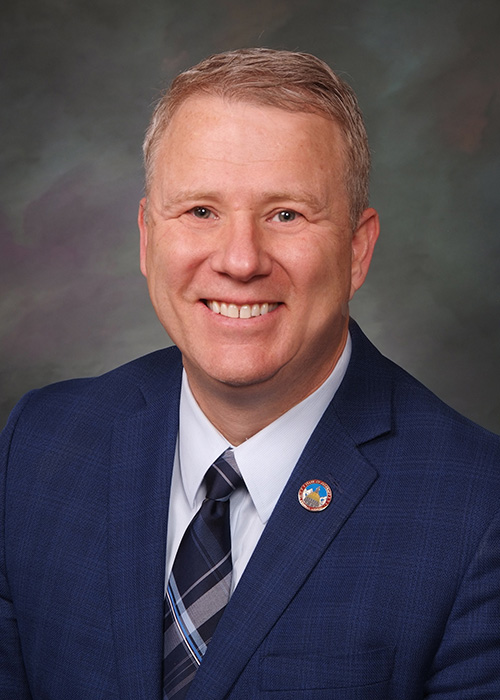
Jeff Bridges
Jeff Bridges Senate · District 26
D
Strong +
100% 11
Chris Kolker
Chris Kolker Senate · District 16
D
Strong +
100% 9
James Coleman
James Coleman Senate · District 33
D
Strong +
100% 8
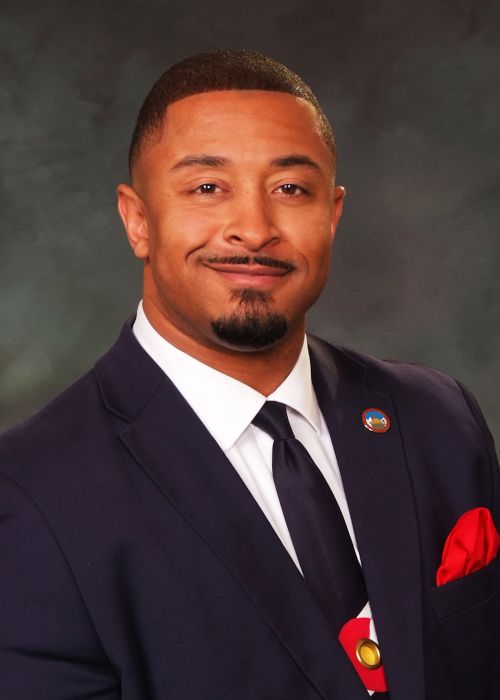
Jennifer Bacon
Jennifer Bacon House · District 7
D
Strong +
100% 8
Adrienne Benavidez
Adrienne Benavidez Senate · District 21
D
Strong +
100% 7
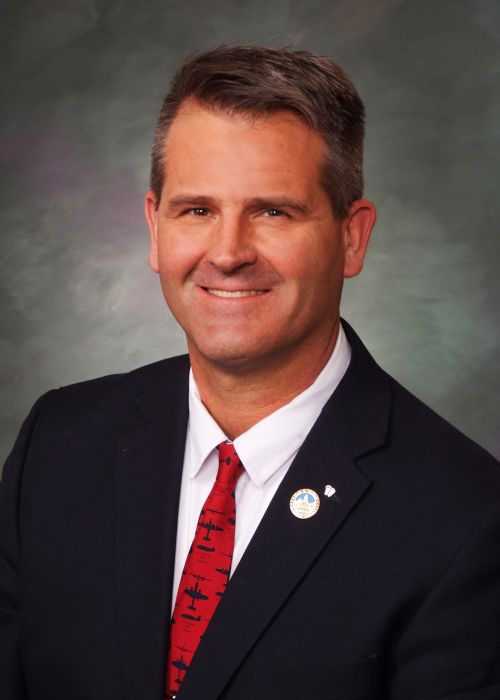
Ken DeGraaf
Ken DeGraaf House · District 22
R
Strong −
0% 7
Lynda Zamora Wilson
Lynda Zamora Wilson Senate · District 9
R
Strong −
0% 6
Ron Weinberg
Ron Weinberg House · District 51
R
Strong −
0% 6
Mark Baisley
Mark Baisley Senate · District 4
R
Strong −
0% 5
Byron Pelton
Byron Pelton Senate · District 1
R
Strong −
17% 12
Showing 11–20 of 22 bills

All healthcare bills

signed · Colorado · House Jun 1, 2026

HB 1322: Civil Actions for Conversion Therapy Survivors

The act allows an injured person to bring a cause of action for claims of injury caused by sexual orientation or gender identity change efforts (efforts) against a licensed mental health professional and allows the cause of action to be commenced at any time without limitation.     Specifically, the act applies to a civil cause of action brought against a licensed mental health professional who seeks to direct a patient toward a predetermined sexual orientation or gender identity outcome or eliminate or reduce sexual or romantic attractions or feelings toward individuals of a particular sex or gender.     The act permits the injured individual, or the individual's personal representative or estate if the individual is deceased, to recover economic, noneconomic, and exemplary damages, and any other damages deemed appropriate by the court.     A cause of action may be brought as a survival action within 5 years after the death of the person who underwent efforts.(Note: This summary applies to this bill as enacted.)
signed · Colorado · House May 4, 2026

HB 1305: Licensing of Behavioral Health Facilities

HB 1305 allows remote psychiatric inpatient facilities in Colorado to operate under a main hospital's general license instead of needing separate psychiatric hospital licensing, provided they meet specific criteria. These facilities must be located within 35 miles of a main hospital in a rural area, offer 17+ inpatient beds, meet all psychiatric hospital standards, and maintain federal provider-based status. The main hospital remains responsible for all licensing enforcement actions related to the remote location, and the facility must pay a separate licensing fee. This change aims to streamline operations while maintaining regulatory oversight through the main hospital's license.
signed · Colorado · House Jun 3, 2026

HB 1195: Psychotherapy Artificial Intelligence Restrictions

The act prohibits individuals lawfully permitted to provide psychotherapy services in the state (regulated professionals) from allowing an artificial intelligence system (AI system) to interact with clients in any form of therapeutic communication without synchronous, real-time interaction between the regulated professional, the AI system, and the client, or generate therapeutic recommendations or treatment plans without review and approval by the regulated professional.     Except for educational, administrative, simulation, or training purposes or as part of a research program, a regulated professional shall not use an AI system to provide, direct, or guide psychotherapy, clinical intervention, counseling, diagnosis, treatment planning, or other activity that constitutes the practice of psychotherapy with an individual or group unless the use satisfies the conditions specified in the act. At initial client contact, a regulated professional shall inform clients of the prohibitions regarding use of AI systems in the practice of psychotherapy. Regulated professionals may be disciplined by the appropriate licensing board in the department of regulatory agencies for violations of this act.     The act allows regulated professionals to use an AI system to assist in providing administrative support or supplementary support, as these terms are defined in the act, for psychotherapy services if the regulated professional maintains responsibility for reviewing any outputs of the AI system used to provide administrative support or supplementary support. If a client's therapeutic session will be recorded or transcribed through the use of an AI system, the regulated professional must disclose in advance the use of an AI system and the purposes for its use, and obtain written, informed consent from the client.     The act does not prohibit a regulated professional from using an AI system within accredited or approved educational, instructional, or professional training programs, so long as the AI system is used solely for educational, administrative, simulation, or training purposes and is not deployed, marketed, or represented as a tool for use with clients, patients, or the public. Further, a regulated professional may be involved in the development, testing, or evaluation of an AI system solely for research purposes under the oversight of a federally registered institutional review board, so long as the AI system is not offered to consumers or used outside of the research setting.     The act does not apply to regulated professionals who use or recommend the use of technology in the state that does not diagnose or treat mental health disorders, clearly discloses that the technology is not a substitute for clinical care, and:Provides self-help, therapeutic homework, coaching, patient navigation, guided meditation, journaling, or other tools specified in the act; orIs regulated by the federal food and drug administration.     Except as provided in the act, the act also makes it an unfair or deceptive trade practice under the 'Colorado Consumer Protection Act' for an individual, corporation, or entity (person) to use any term, letter, or phrase in the use of an AI system in a manner that:Indicates or implies that the AI system's outputs are provided by, endorsed by, or equivalent to services provided by a regulated professional;Represents that the AI system provides psychotherapy services; orRepresents that a user's data is confidential in a manner that would lead a reasonable user to believe that the privacy of their data is protected in a manner similar to therapist-client confidentiality.      The act does not impose liability on a regulated professional for defects in or failures of an AI system that are attributable to the developer or deployer of the AI system.     Further, under conditions specified in the act, nothing in the act prohibits a person from developing, testing, or evaluating an AI system solely for research purposes or using an AI system in educational, instructional, or training programs. In addition, it is not an unfair or deceptive trade practice for a person to use a technology that does not diagnose or treat mental health disorders, clearly discloses that the technology is not a substitute for clinical care, and:Provides self-help, therapeutic homework, coaching, patient navigation, guided meditation, journaling, or other tools specified in the act; orIs regulated by the federal food and drug administration.(Note: This summary applies to this bill as enacted.)
signed · Colorado · Senate Jun 2, 2026

SB 113: Require Recovery Residences to Obtain Behavioral Health Administration License

Current law requires a recovery residence operated in Colorado to be certified by a third-party certifying body, unless the recovery residence has been operating in Colorado for 30 or more years as of May 23, 2019.     Beginning July 1, 2027, the act requires a recovery residence to obtain a license from the behavioral health administration (BHA). The act sets forth application procedures and rules for minimum standards of operating a recovery residence. A recovery residence must report specified occurrences to the BHA, including occurrences that result in the death of or specified injury to a resident, involve abuse and neglect of a resident, involve misappropriation of a resident's property, or in which a resident's drugs are diverted for use by another person. Recovery residence licensing is subject to sunset review prior to its repeal in 2033.(Note: This summary applies to this bill as enacted.)
Sub-Topics Mental Health Substance Abuse Tags Licensing
passed both · Colorado · House Feb 11, 2026

HJR 1009: Veterans Mental Health Awareness

HJR 1009 is a symbolic resolution (not a law) recognizing Colorado's veterans and their mental health challenges. It cites Colorado's high veteran suicide rate (178 in 2022) and highlights successful existing programs like Next Chapter and Mt. Carmel Veterans Service Center, which enrolled over 1,200 veterans with no suicides among participants. The resolution commits the state to continuing support for veterans' mental health, breaking down stigmas, and expanding community services to ease their transition to civilian life. It does not create new programs or allocate funds but expresses legislative support and directs copies to the governor, U.S. Department of Veterans Affairs, and the mentioned organizations.
signed · Colorado · House Jun 4, 2026

HB 1116: Process for People with Behavioral Health Disorder

After an individual has been discharged from a facility where an individual was held for an emergency mental health hold, current law requires the facility to attempt to follow up with the individual at least 48 hours after discharge. The act extends the time to attempt to follow up with the individual to 72 hours following discharge, excluding weekends and holidays.     The act restricts the behavioral health administration (BHA) from issuing or renewing a license for a behavioral health entity unless the BHA receives a certificate of compliance for the applicant's building or structure from the division of fire prevention and control. The act adds the following exceptions to this requirement:An applicant that provides only telehealth services is not required to receive a certificate of compliance; andAn applicant that provides only outpatient services may receive a certificate of compliance from the division of fire prevention and control based on inspections conducted by a fire department that employs a certified inspector rather than from the division of fire prevention and control.(Note: This summary applies to this bill as enacted.)
signed · Colorado · House Jun 2, 2026

HB 1139: Use of Artificial Intelligence in Health Care

On and after January 1, 2027, when determining coverage for health-care services, the act requires entities that use an artificial intelligence system (AI system) for the purpose of conducting utilization review of health-care services, including health insurance companies (carriers), pharmacy benefit managers, private utilization review organizations, behavioral health administrative services organizations, and managed care entities (entities), ensure that the AI system complies with certain requirements specified in the act. Specifically, an entity shall ensure that the AI system:Makes determinations based on medical or clinical history, the patient's individual clinical circumstances, and other relevant clinical factors specified in the act, with denial of coverage reviewed by a licensed clinician or physician or other competent regulated professional who is competent to evaluate the specific clinical issues and review the health benefit plan's terms of coverage (competent regulated professional);Does not base its determination solely on group data without reference to the individual's data;Is not used in any way that discriminates against individuals in violation of other state or federal laws and is fairly and equitably applied, including in accordance with regulations and guidance issued by the federal department of health and human services; andIs periodically reviewed to ensure the AI systems outcomes are accurate and reliable and that an individual's health data is not used beyond its intended or stated purpose.     Entities that use AI systems shall disclose to the division of insurance, the department of human services, or the department of health care policy and financing, as applicable, the utilization review functions for which the AI system will be used and the points in the utilization review process when it will be used, the process for human oversight of adverse coverage determinations, and the process for maintaining audit information to ensure that the use of the AI system complies with the requirements in the act.     The AI system may be used to assist in utilization review, including expedited approvals. A carrier's denial of coverage for a service based in whole or in part on medical necessity shall not be issued solely on the output of an AI system without human review by a licensed clinician or physician or other competent regulated professional.     Further, the act prohibits a carrier and a payer of services under the 'Colorado Medical Assistance Act' and the 'Children's Basic Health Plan Act' from paying for psychotherapy services that are provided directly to a client and that are conducted by an AI system.(Note: This summary applies to this bill as enacted.)
in committee · Colorado · House Mar 17, 2026

HB 1271: Alcohol Impact & Recovery Enterprises

The bill creates three enterprises (enterprises) in the behavioral health administration; the:Beer, cider, and apple wine impact and recovery enterprise;Spirits impact and recovery enterprise; andWine impact and recovery enterprise.The enterprises collect a fee from licensees that are manufacturers and wholesalers that distribute alcohol in Colorado, and use the fee for services described in the bill.The bill creates an alcohol impact and recovery enterprise board that governs the enterprises.The bill requires the state auditor to conduct an audit of the enterprise in the 2032-33 state fiscal year and each fourth state fiscal year thereafter.(Note: This summary applies to this bill as introduced.)
in committee · Colorado · House Apr 14, 2026

HB 1285: Admission to Mental Health Residential Facility

The bill requires the department of human services to include in the admission criteria for admitting a person to a mental health residential facility a prohibition on admitting a person who is required to register the person's residence in accordance with the "Colorado Sex Offender Registration Act" to a mental health residential facility that is located within 1,000 feet of a school.(Note: This summary applies to this bill as introduced.)
Sub-Topics Mental Health
in committee · Colorado · Senate Apr 2, 2026

SB 8: Mental Health Access

The bill establishes the adult mental health services program (program) to facilitate access for adults to mental health services, including substance use disorder services, and to respond to identified mental health needs. The program reimburses providers for up to 6 mental health sessions with an adult and may provide additional reimbursement, subject to available money. The adult mental health program enterprise (enterprise), created in the bill, creates, operates, and funds the program. The enterprise is required to enter into an agreement with a vendor to create or use an existing website or web-based application as a portal that is available to adults and providers to facilitate the program. The department of human services is required to annually report to the general assembly about the program.The bill establishes the internet-enabled mental health access grant program (grant program) to award grants to entities that use the internet to facilitate mental health services. The enterprise administers the grant program. The enterprise shall annually report to the health and human services committees of the house of representatives and the senate about the grant program.The bill creates the mental health services enterprise as a government-owned business within the behavioral health administration for the business purpose of imposing and collecting a surcharge on internet service account holders in Colorado and to use the surcharge revenue to create, operate, and fund the adult mental health services program and internet-enabled mental health access grant program. Each internet service provider shall collect from its account holders located in Colorado the mental health services access surcharge and remit the surcharge to the enterprise.(Note: This summary applies to this bill as introduced.)
Showing 11 to 20 of 22 bills