Issue · Budget & Taxes

Budget & Taxes

Every budget & taxes bill, vote, and legislator stance in Colorado, automatically classified by Maddy, our AI policy reader.

Total bills
151
2026 Regular Session
Top supporter
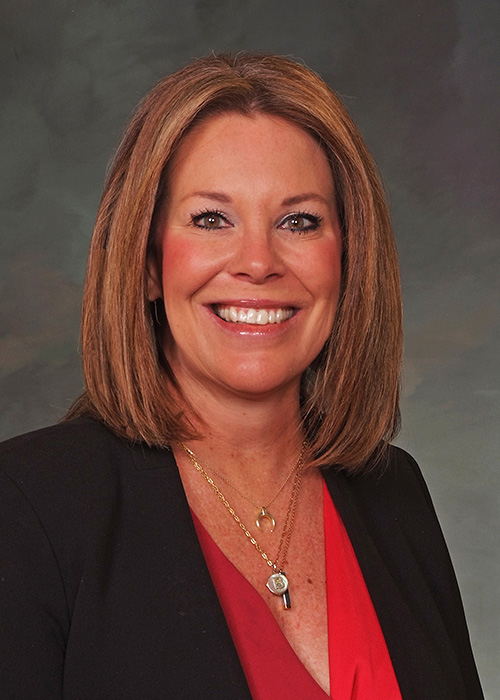
Matt Ball
100% support rate
Top opponent
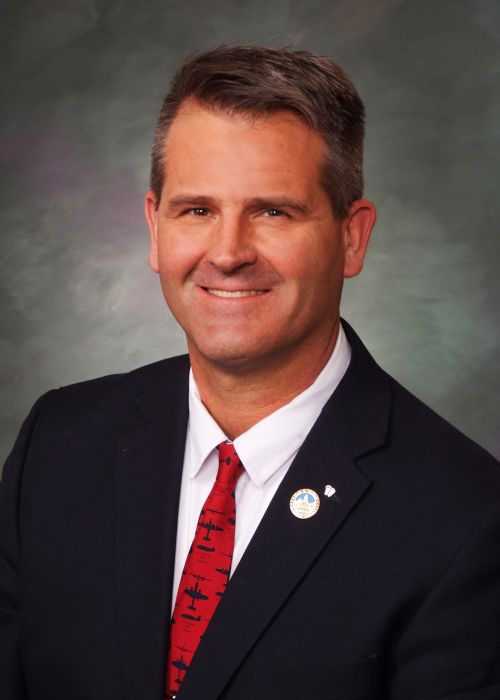
Mark Baisley
14% support rate
Ranked legislators
10
5 support · 5 oppose
Key legislators

Who's moving budget & taxes in Colorado

Legislators moving budget & taxes in Colorado
Legislator Party Stance Support rate Votes
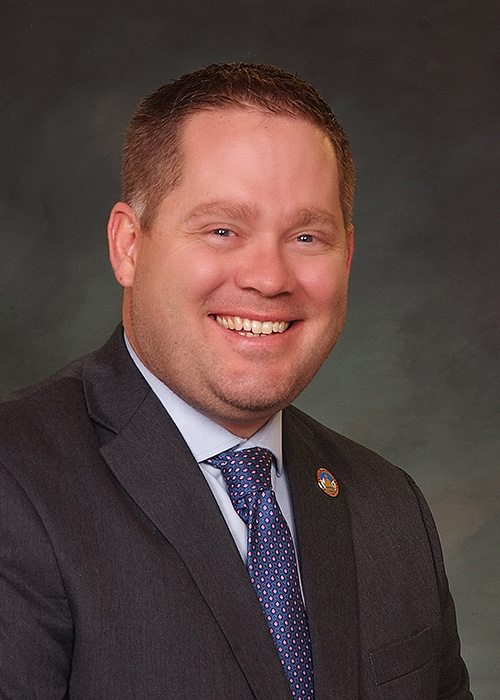
Matt Ball
Matt Ball Senate · District 31
D
Strong +
100% 32
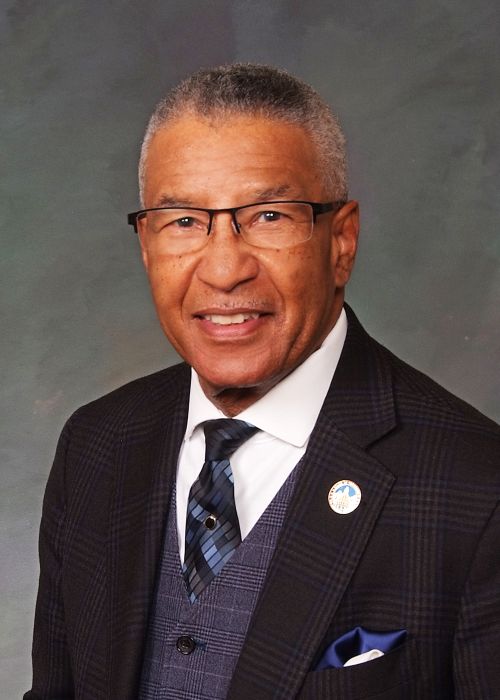
Tony Exum
Tony Exum Senate · District 11
D
Strong +
100% 33
Kyle Mullica
Kyle Mullica Senate · District 24
D
Strong +
88% 50
Marc Snyder
Marc Snyder Senate · District 12
D
Strong +
83% 48
Julie Gonzales
Julie Gonzales Senate · District 34
D
Strong +
82% 80
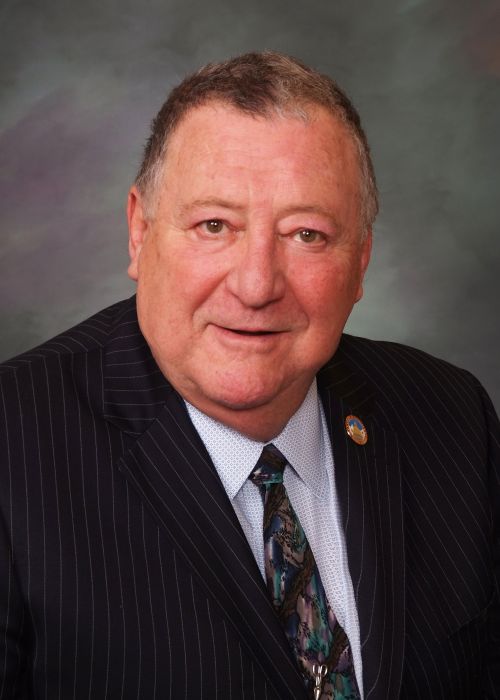
Mark Baisley
Mark Baisley Senate · District 4
R
Strong −
14% 36
Brandi Bradley
Brandi Bradley House · District 39
R
Oppose
20% 194
Scott Bottoms
Scott Bottoms House · District 15
R
Oppose
21% 233
Stephanie Luck
Stephanie Luck House · District 60
R
Oppose
22% 187
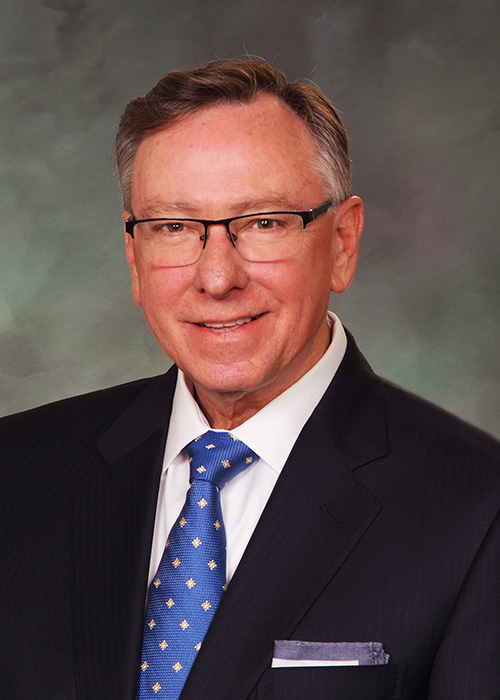
Ken DeGraaf
Ken DeGraaf House · District 22
R
Oppose
23% 196
Showing 91–100 of 151 bills

All budget & taxes bills

in committee · Colorado · Senate Mar 19, 2026

SB 129: Mitigate Impacts of Tax Increment Financing

Current law requires county revitalization authorities and urban renewal authorities to, in certain instances, submit impact reports that detail the potential impacts of a proposed urban renewal or county revitalization plan on local services and infrastructure. The bill requires taxing entities that would be subject to tax increment financing pursuant to a proposed urban renewal or county revitalization plan to file either a certification of or a technical rebuttal to an impact report. If a taxing entity does not file either a certification or a technical rebuttal within 45 days after a county revitalization authority or urban renewal authority's submission of an urban renewal or county revitalization impact report, the impact report is presumed certified. The bill also requires taxing entities that would be subject to tax increment financing pursuant to a downtown development authority's proposed plan of development to file either a certification of or a technical rebuttal to a downtown development authority's impact report.On or before October 1, 2027, and on or before October 1 of each year thereafter, the legislative council staff is required to prepare a report or issue brief on the impact of tax increment financing on the state and local shares of education funding.(Note: This summary applies to this bill as introduced.)
signed · Colorado · House May 28, 2026

HB 1306: Wild Horse License Plate

HB 1306 creates a special Colorado license plate for vehicles, requiring owners to pay a $50 initial donation to the Wild Horse Fund and a $25 one-time fee to obtain the plate. To renew the plate annually, owners must make an additional $25 donation to the fund. All collected funds support the state’s wild horse population management program, as specified in the bill. This option is available to any Colorado resident who qualifies for standard vehicle registration.
Sub-Topics Appropriations
signed · Colorado · House Jun 3, 2026

HB 1289: Modification of Certain Tax Expenditures

The act adjusts several state tax expenditures as follows:Requires the state treasurer to transfer $45.6 million from the general fund to the state highway fund on July 1, 2026, and $96.4 million on each July 1 from July 1, 2027, through July 1, 2031;Prohibits certain local use tax ordinances, resolutions, or proposals from applying to construction and building materials used by a common rail carrier pursuant to a contract with the state, a political subdivision of the state, or a special district allowing the contracting government to use the carrier's property or tracks for the provision of public passenger rail service;For income tax years commencing on and after January 1, 2027, requires a taxpayer to add to the taxpayer's federal taxable income the excess of any gain excluded from federal gross income pursuant to section 1400Z-2 (a)(1)(A) of the internal revenue code over the gain invested by the taxpayer in a Colorado-qualified opportunity fund in a manner that qualifies for exclusion from federal gross income pursuant to the same section of the internal revenue code;For income tax years commencing on or after January 1, 2027, allows a combined group to elect to make a water's-edge filing election and describes what should be taken into account in such a filing;For income tax years commencing on and after January 1, 2027, requires a corporation to add to the corporation's federal taxable income the excess of any gain excluded from federal gross income pursuant to section 1400Z-2 (a)(1)(A) of the internal revenue code over the amount of that gain invested in a Colorado qualified opportunity fund and the amount of any gain excluded from federal gross income as a result of an election made pursuant to section 1400Z-2(c) of the internal revenue code for amounts invested in a qualified opportunity fund that is not a Colorado qualified opportunity fund; allows a corporation to subtract from federal taxable income the amount of gain included in federal gross income pursuant to section 1400Z-2(b) of the internal revenue code to the extent that the gain was added to federal taxable income pursuant to the opportunity fund add-backs for a prior tax year; changes the definition of federal taxable income for a C corporation that is in a combined group; repeals the state corporate income tax deduction for wages or salaries paid that are not allowed to be deducted at the federal level pursuant to section 280C of the internal revenue code; and eliminates the ability of corporations to deduct from their income tax liability any amount included in federal taxable income pursuant to sections 951 (a) or 951A (a) of the internal revenue code with respect to a controlled foreign corporation incorporated in a foreign jurisdiction for the purpose of tax avoidance;Eliminates a potential reduction in the amount available for the heat pump technology and thermal energy network tax credit, for years following 2025 based on an economic forecast by the office of state planning and budgeting or legislative council staff;Increases the innovative motor vehicle tax credit from $1,000 to $2,000 for certain vehicles sold or leased during the 2027 income tax year, and from $500 to $1,000 for certain vehicles sold or leased during the 2028 income tax year, and provides that certain vehicles with an manufacturer's suggested retail price (MSRP) below $40,000 that are sold or leased on or after January 1, 2027, but before January 1, 2029, are eligible for the additional tax credit.Clarifies that a potential 50% reduction in the innovative motor vehicle tax credit and the innovative trucks tax credit, triggered by certain state revenue forecasts, applies to the income tax year;For income tax years commencing on or after January 1, 2027, modifies the income tax credit for wildfire hazard mitigation expenses by adding a definition of 'infestation mitigation measures' that includes the thinning of woody vegetation that is at risk of mountain pine beetle or spruce beetle infestation or that has been killed by mountain pine beetles or spruce beetles, if such activities meet or exceed any state forest service standards or any other applicable state rules, and modifies the amount of the credit available to be fully refundable without being carried forward;For income tax years commencing on or after January 1, 2027, expands the income tax credit for the purchase of small food business recovery grant program equipment to be available for additional food distributors and producers, adjusts the amount of the tax credit that may be offered and claimed for the purchase of small food business recovery grant program equipment or participation in the supplemental food assistance benefit program, requires the department of agriculture to approve or disapprove an application for a credit within a reasonable time, which shall not exceed 150 days after the filing of the application, caps the amount of credits issued at $10 million for calendar years commencing before January 1, 2027, $5 million for the calendar year commencing on January 1, 2027, and a total of $5 million for calendar years commencing on or after January 1, 2028, and allows a purchaser that is not subject to income tax to be eligible for the credit.Extends the electric-powered lawn equipment tax credit until January 1, 2030, and allows a qualified retailer to elect advance payments of the credit;For income tax years commencing on or after January 1, 2027, allows an entity not subject to income tax to be eligible for an income tax credit for developing a qualified industrial facility, allows a taxpayer to claim the credit for installing equipment used for utilization of biomethane, requires the Colorado energy office (CEO) to review applications for the credit within 120, rather than 90, days, and for any semi-annual application period commencing on or after July 1, 2026, allows the CEO to adjust the limits on the aggregate amount of tax credits available to be reserved.Changes the reservation process for a tax credit made in connection with a geothermal energy project beginning on July 1, 2026;Provides that the department may disqualify a retailer of electric bicycles from the electric bicycle tax credit if the retailer requested advance payment of the credit or claimed a credit for a transaction that does not qualify for the credit, the retailer provided false information to the department of revenue or CEO, the retailer did not comply with the statutory requirements for the credit, or the retailer does not hold a sales tax license;Allows the executive director of the department of revenue to share taxpayer information with the CEO relating to a claim for an income tax credit for the retail sale of a qualified electric bicycle or the sale of a heat pump, which must remain confidential;Repeals the sustainable aviation fuel (SAF) production facility tax credit, effective January 1, 2027;Establishes the sustainable aviation fuel purchase income tax credit for income tax years beginning on or after January 1, 2027, and before December 31, 2032, where the amount of the credit is initially $1.50, increased by $.01 for each whole percentage of carbon intensity reduction in excess of 50%, but no greater than 100%, per gallon of SAF purchased for use in the state by the taxpayer, and the CEO may adjust that amount annually;Beginning January 1, 2028, the CEO may allow an additional credit of 50 cents for each gallon of SAF produced in the state that a qualified taxpayer purchased for use in the state during the income tax year, except as provided by the cap and reservation system, the total amount of credits issued cannot exceed $3 million per tax year, taxpayers must apply to the CEO for a tax credit certificate and CEO verifies eligibility and reports approved credits to the department of revenue, and the credit is refundable but may not be carried forward.For tax periods commencing on or after July 1, 2027, exempts from tax the storage, use, or consumption of construction and building materials by or on behalf of a common carrier by rail operating in interstate or foreign commerce when the storage, use, or consumption of the construction and building materials is pursuant to a contract with the state, a political subdivision of the state, or a special district that allows the contracting government to use the railroad's property or tracks for public passenger rail service;Extends the expiring sales and use tax exemption for wood from salvaged trees killed or infested in Colorado by mountain pine beetles or spruce beetles prior to the calendar year commencing on January 1, 2031;Repeals the sales and use tax exemption for property used in space flight, effective January 1, 2027, and reinstates the exemption beginning January 1, 2030;Change from 2% to 1.5% the allowance to cover losses in transit and in unloading gasoline or special fuel and repeals the 0.5% allowance for the costs of collecting the gasoline or special fuel excise tax and for uncollectible bad debts for tax periods beginning on or after January 1, 2027;Repeals the 3% deduction for collecting and remitting the tax on the inventory of cigarette wholesalers for tax periods beginning on or after January 1, 2027;Repeals the 0.4% discount on the face value of tax stamps affixed to packages containing cigarettes for tax periods beginning on or after January 1, 2027;Repeals the 1.6% discount for expenses in the collection and remittance of the tax on the sale, use, consumption, handling, and distribution of tobacco for tax periods beginning on or after January 1, 2027;Repeals the 1.1% discount for expenses in the collection and remittance of the nicotine product distributors tax for tax periods beginning on or after January 1, 2027;Allows an income tax credit to a taxpayer who places a new renewable energy investment in service on or after January 1, 2027, and provides a 14-year carryover of any amount of the credit not used to offset the income taxes otherwise due; except that, beginning in the tax year commencing on January 1, 2027, a taxpayer is not allowed a credit with respect to a qualified investment in a commercial truck, truck tractor, tractor, or semitrailer with a gross vehicle rating of at least 54,000 pounds that is designated as Class A personal property pursuant to statute;Provides that on or after January 1, 2027, a taxpayer with more than 50 business facility employees during an income tax year is ineligible for the new enterprise zone business employee tax credit in that same income tax year;Requires, beginning January 1, 2027, a taxpayer to make at least $150,000 in expenditures in research and experimental activities to be eligible for the enterprise zone research and experimental activities tax credit;Modifies the enterprise zone vacant building rehabilitation income tax credit so that the credit only applies to buildings that have been unoccupied for any 135 calendar days within the 180 calendar days preceding when the rehabilitation is placed in service and is available in an amount equal to 25% of the aggregate qualified expenditures per building or $200,000 per building, whichever is less;Beginning on January 1, 2028, provides that a resident individual is allowed an earned income tax credit that equals the applicable percentage, as set forth in statute, of the amount the individual would be have been allowed under the internal revenue code;Removes Liechtenstein as a jurisdiction recognized as a tax shelter by the state and requires the department of revenue to engage a contractor to study whether the countries currently listed as tax shelters should remain designated as tax shelters;Requires the state treasurer to transfer all money in the commercial vehicle enterprise tax fund to the Colorado economic development fund on July 1, 2027;Requires the state treasurer to transfer the remainder of the penalty assessed for certain traffic violations that is not transferred to local jurisdictions to the general fund on or after July 1, 2027;Extends the residential energy storage system income tax credit to December 31, 2029; andProvides that the film festival incentive tax credit begins on January 1, 2026, instead of January 1, 2027, and ends on December 31, 2035, instead of December 31, 2036.     For the 2026-27 state fiscal year, the act makes the following appropriation adjustments to the department of health care policy and financing:$52,560 decrease from the general fund and a $52,560 increase from cash funds for medical and long-term care services for Medicaid eligible individuals;$21,024 increase from the primary care fund for the primary care fund program; and$332 decrease from the general fund and a $332 increase from the children's basic health plan trust fund for children's basic health plan medical and dental costs.     $38,432 is appropriated from the general fund to the department of revenue for tax administration system support and personal services.     $25,000 is appropriated from the general fund to the office of the governor for use by economic development programs.     $996,276 is appropriated from the preschool programs cash fund to the department of early childhood for support of the universal preschool program.     $35,741 is appropriated from various cash funds to the department of public health and environment for tobacco education, cancer and cardiovascular disease grants, and transfers to the general fund.     $333 is appropriated from the general fund exempt account to the department of public health and environment for immunization operating expenses.     The act takes effect upon passage; except that the appropriation adjustments to the department of health care policy and financing take effect only if the annual general appropriation act for the 2026-27 state fiscal year becomes law, and certain appropriation decreases are subject to the available amounts in the annual general appropriation act.(Note: This summary applies to this bill as enacted.)
signed · Colorado · House Mar 12, 2026

HB 1167: Department of Regulatory Agencies Supplemental

The 2025 general appropriations act is amended to balance and make adjustments to the total amount appropriated to the department of regulatory agencies. The general fund, reappropriated funds, and federal funds portions of the appropriation are increased and the cash funds portion is decreased.(Note: This summary applies to this bill as enacted.)
signed · Colorado · House Feb 27, 2026

HB 1177: End Nursing Provider Wage Enhancement Payments

The act prohibits the department of health care policy and financing (department) from making a wage enhancement supplemental payment to an eligible nursing home provider regardless of when the services were provided. The act reduces the 2025-26 state fiscal year appropriation to the department for medical and long-term care services for medicaid eligible individuals by $4,359,961.(Note: This summary applies to this bill as enacted.)
failed · Colorado · House May 14, 2026

HB 1251: Creating Equal Justice License Plate

The bill creates the equal justice license plate (plate). An applicant becomes eligible for the plate by making a donation to the equal justice authority (authority). The department of revenue (department) will collect the donation on behalf of, and remit the money to, the authority. The authority must spend the donation in the same manner as currently required by law for the equal justice fee.In addition to the donation and the normal fees for a license plate, a person must pay 2 additional one-time fees in the amount of $25, one of which is credited to the highway users tax fund and the other to the Colorado DRIVES vehicle services account.The bill allows the department to seek, accept, and expend gifts, grants, and donations, and mandates that the department will not commence work on the creation of the plate until the department has received sufficient gifts, grants, and donations to cover the cost of creating the plate and any other related administrative or programming needs.(Note: This summary applies to this bill as introduced.)
signed · Colorado · House Mar 12, 2026

HB 1163: Department of Natural Resources Supplemental

The 2025 general appropriations act is amended to balance and make adjustments to the total amount appropriated to the department of a natural resources. The general fund, cash funds, reappropriated funds, and federal funds portions of the appropriation are decreased.(Note: This summary applies to this bill as enacted.)
passed both · Colorado · House May 11, 2026

HB 1206: Improved Funding to Support Development

The bill gives city and county housing authorities (housing authority) the power to provide for the levy of a sales tax, sales and use tax, or property tax both within the jurisdiction of the authority, the resulting revenue of which will be directed to the housing authority, subject to the following conditions:The city or county has adopted a resolution determining that the levying of the tax will fairly distribute the costs of the housing authority's activities among the beneficiaries of the housing authority's activities and will not impose an undue burden on any particular group of people or businesses ; andA ballot question has been submitted to a vote of the registered electors of the city or county and subsequently approved by a majority of such registered electors, and the ballot question describes the purposes for which the tax will be used by the housing authority and complies with section 20 of article X of the state constitution. All new tax revenues generated are irrevocably pledged to the authority for the purposes set forth in the ballot question.     If a sales or sales and use tax is approved by the voters of a housing authority:The rate of the sales or sales and use tax must not exceed 1% on any transaction taxable by the state , excluding the sale or use of cigarettes ; andThe executive director of the department of revenue shall collect, administer, and enforce the tax, and the city or county shall pay the net incremental cost incurred by the department in the administration and collection of the tax.      The authority shall designate a liaison to coordinate with the department of revenue to implement the collection of the tax and to identify people eligible to collect the sales and use tax; and      The tax revenue must be directed to a fund of the authority.The provisions authorizing the levy of the sales or sales and use tax will only take effect if the department of revenue receives an amount of gifts, grants, and donations sufficient to pay for the department's costs in administering the tax.      If an ad valorem property tax is approved by the voters of a housing authority:The rate of the ad valorem property tax must not exceed 5 mills on each dollar of valuation for assessment of the taxable property within the authority's jurisdiction;The board of county commissioners of the county in which the housing authority is located shall levy the ad valorem property tax upon the valuation for assessment of all taxable property within the authority's jurisdiction;The officials charged with collecting ad valorem property taxes for the county in which the housing authority is located shall collect the taxes at the time and in the form and manner and with like interest and penalties as other property taxes collected within the county;The property tax revenue must be directed to a fund of the authority; andAll property tax revenue, together with interest thereon and penalties for default in payment thereof, and all costs of collecting the same shall constitute, until paid, a perpetual lien on and against the property taxed, and such lien shall be on a parity with the tax lien of other general taxes.     The bill gives county housing authorities the power to issue revenue or general obligation bonds and to pledge the authority's revenues and revenue-raising powers for the payment of such bonds.      The bill allows an urban renewal authority to enter into a shortfall guaranty contract with an urban renewal project developer (developer) specifying that, if the tax increment revenue is insufficient to pay the indebtedness incurred by the authority that is due, the developer is obligated to make a direct payment covering the full amount of the insufficiency. A shortfall guaranty contract:Constitutes a lien on the urban renewal project property the same as, and equal in priority to, a tax lien;Has priority over any mortgage, lien that is not a tax lien, or other encumbrance;Constitutes a covenant running with the land for the term of the contract; andMay be recorded against the real property upon which the urban renewal project is developed.(Note: Italicized words indicate new material added to the original summary; dashes through words indicate deletions from the original summary.)(Note: This summary applies to the reengrossed version of this bill as introduced in the second house.)
signed · Colorado · House Mar 12, 2026

HB 1160: Department of Law Supplemental

The 2025 general appropriations act is amended to balance and make adjustments to the total amount appropriated to the department of law. The general fund, cash funds, and federal funds, reappropriated funds, and federal funds portions of the appropriation are decreased.(Note: This summary applies to this bill as enacted.)
signed · Colorado · House Mar 12, 2026

HB 1166: Department of Public Safety Supplemental

The 2025 general appropriations act is amended to balance and make adjustments to the total amount appropriated to the department of public safety. The general fund, cash funds, and reappropriated funds portions of the appropriation are increased and the federal funds portions is decreased.(Note: This summary applies to this bill as enacted.)
Sub-Topics Appropriations State Budget Tags Public Safety
Showing 91 to 100 of 151 bills
Previous 1 9 10 11 16 Next