Issue · Technology

Technology

Every technology bill, vote, and legislator stance in California, automatically classified by Maddy, our AI policy reader.

Total bills
43
119th Congress
Top supporter
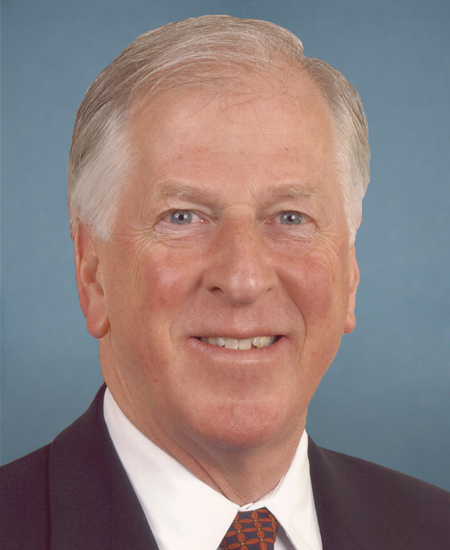
Mike Thompson
86% support rate
Top opponent
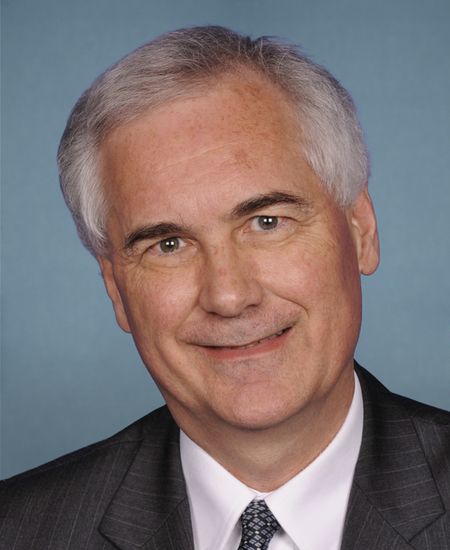
Tom McClintock
24% support rate
Ranked legislators
10
5 support · 5 oppose
Key legislators

Who's moving technology in California

Legislators moving technology in California
Legislator Party Stance Support rate Votes
Mike Thompson
Mike Thompson House · District 4
D
Strong +
86% 261
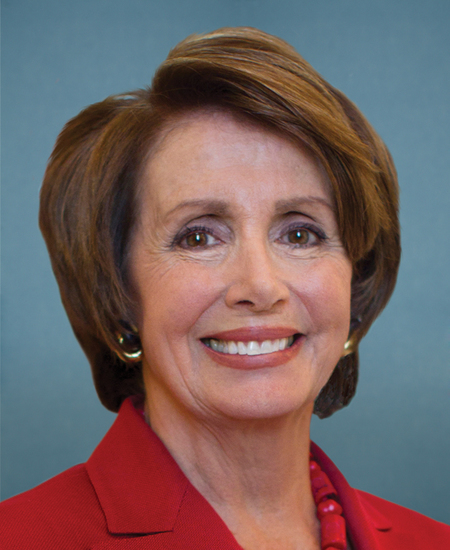
Nancy Pelosi
Nancy Pelosi House · District 11
D
Strong +
86% 246
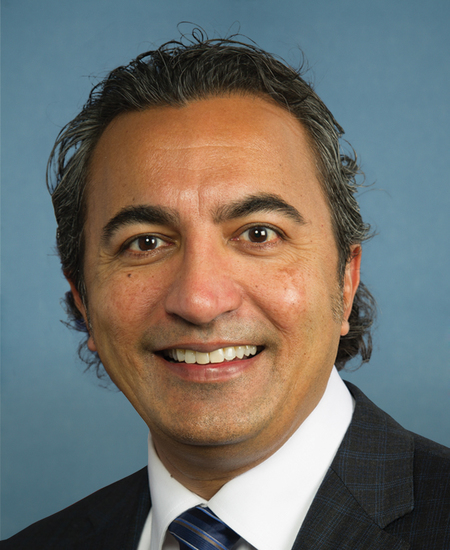
Ami Bera
Ami Bera House · District 6
D
Strong +
86% 258
Zoe Lofgren
Zoe Lofgren House · District 18
D
Strong +
86% 260
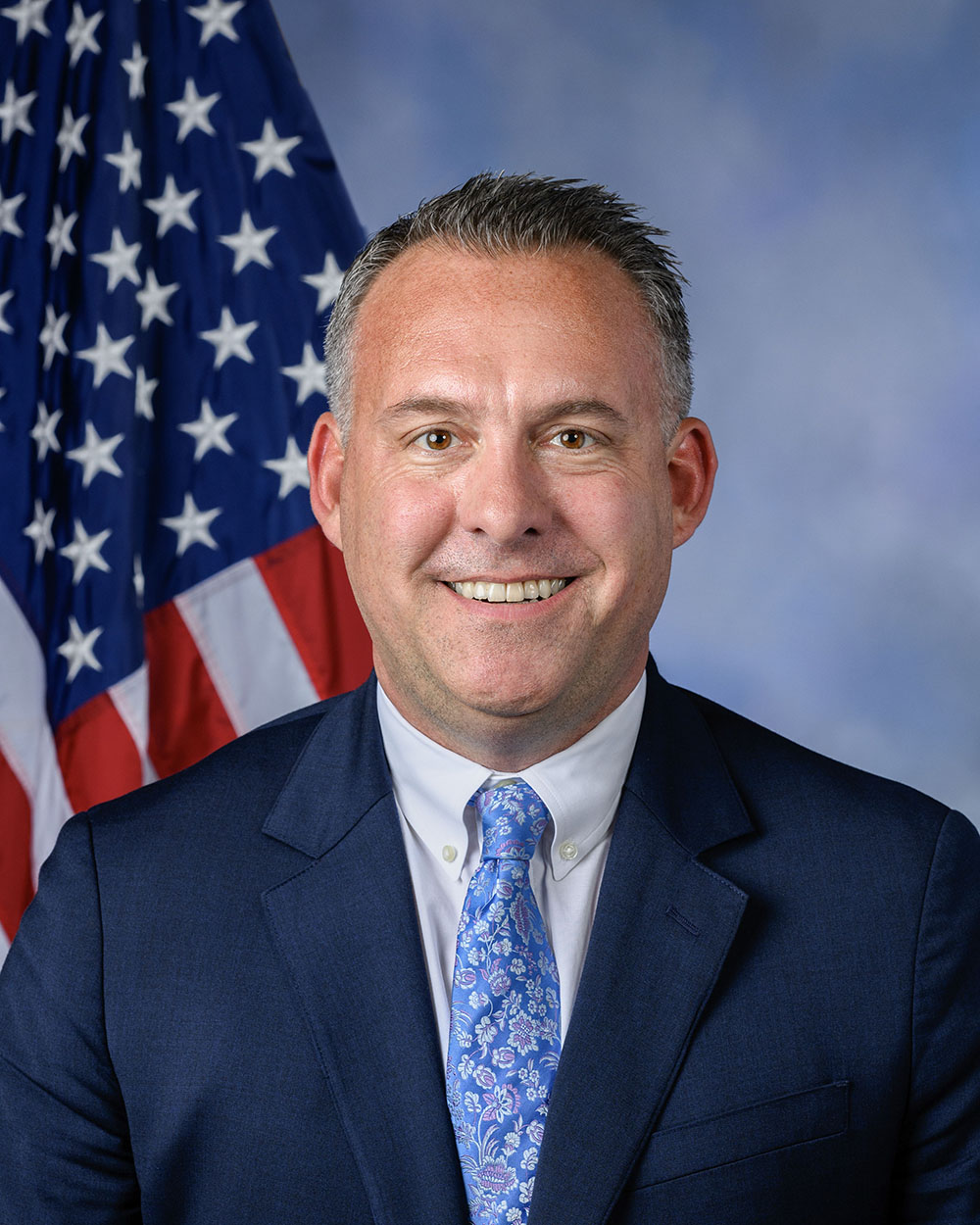
Adam Gray
Adam Gray House · District 13
D
Strong +
85% 253
Tom McClintock
Tom McClintock House · District 5
R
Oppose
24% 258
Ken Calvert
Ken Calvert House · District 41
R
Oppose
32% 261
Kevin Kiley
Kevin Kiley House · District 3
I
Oppose
32% 262
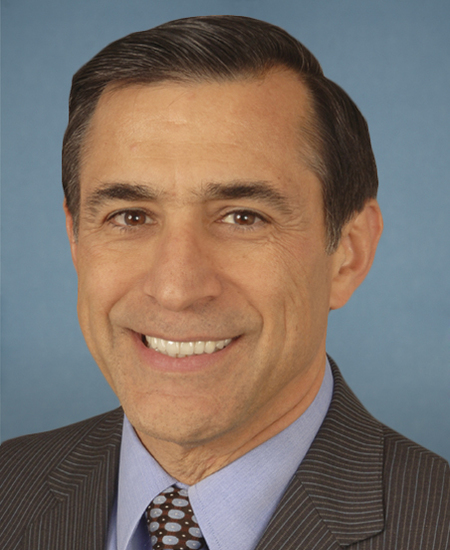
Darrell Issa
Darrell Issa House · District 48
R
Oppose
32% 263
Jay Obernolte
Jay Obernolte House · District 23
R
Oppose
33% 256
Showing 1–10 of 43 bills

All technology bills

in committee · United States · House Sep 10, 2026

HR 10332: Sunset Section 230 Act

HR 10332, the Sunset Section 230 Act, would repeal Section 230 of the Communications Act of 1934, a provision that currently shields online platforms from legal liability for content posted by their users. By removing this protection, the bill directly affects internet service providers, social media companies, and other interactive computer services, making them potentially responsible for user-generated material under existing defamation and copyright laws. The legislation also includes numerous conforming amendments to update definitions and cross-references in various federal statutes, including the Trademark Act and criminal codes, to ensure consistency with the repeal. These changes would take effect two years after the date of enactment.
Sub-Topics Social Media
in committee · United States · House Sep 2, 2026

HR 10221: Flock-Off Act

The Flock-Off Act prohibits federal agencies, state and local governments, and other recipients of federal funds from using federal money to purchase, operate, or maintain automated camera systems that capture biometric data or license plate information. The bill requires these entities to remove any existing covered camera systems within 180 days of enactment, with violations resulting in the withholding of further federal funding until reimbursed. Specific exceptions allow for the continued use of such systems within one mile of the U.S. borders for security purposes and on toll roads strictly for toll collection and enforcement.
in committee · United States · House Aug 27, 2026

HR 10166: Foreign Propaganda Disclosure Act

The Foreign Propaganda Disclosure Act amends the Foreign Agents Registration Act to explicitly include social media influencers in its regulatory scope. The bill defines a social media influencer as any individual who maintains a monetized account on a social media platform, using an existing definition from the Trafficking Victims Prevention and Protection Reauthorization Act of 2022. By making this addition, the legislation requires these specific digital content creators to comply with the same registration and disclosure obligations currently applied to other foreign agents.
Sub-Topics Social Media
in committee · United States · House Aug 6, 2026

HR 10044: AI Tax and Work Protection Act

The AI Tax and Work Protection Act imposes a new excise tax on companies that develop or sell artificial intelligence foundation models, with rates that increase based on the national unemployment level. The revenue generated from this tax is placed into a dedicated trust fund to finance a new federal jobs program administered by a newly created Office of Job Creation within the Department of Labor. This program awards grants to state, local, and tribal governments to hire permanent, full-time workers for specific public service roles, such as in education, healthcare, infrastructure, and community safety. To ensure the jobs created do not replace existing workers, the bill includes strict nondisplacement rules and mandates that grant recipients provide employees with strong labor protections, including collective bargaining rights, competitive wages, and paid leave. Additionally, the legislation directs the Bureau of Labor Statistics to study the impact of AI on the workforce and establishes an advisory committee to guide the implementation of the job creation initiatives.
in committee · United States · Senate Jul 27, 2026

S 5135: AI Ads Act

The AI Ads Act expands federal election laws to prohibit the use of artificial intelligence-generated content in deceptive political advertisements. This change directly affects political campaigns, committees, and any individuals creating election materials by requiring clear disclosure when generative AI is used to produce misleading claims or solicitations. The bill also broadens existing fraud rules to cover not just candidates, but also any person or fictitious organization attempting to damage a candidate's reputation through deceptive means. By updating the Federal Election Campaign Act, the legislation aims to ensure transparency and prevent the spread of AI-created misinformation during election cycles.
Tags Artificial Intelligence
in committee · United States · House Jul 23, 2026

HR 9939: No AI Data Centers on Federal Lands Act

This bill, titled the No AI Data Centers on Federal Lands Act, prohibits the construction and operation of large-scale artificial intelligence data centers on any land owned or managed by the United States government. It requires federal agencies to immediately stop building or running such facilities and mandates the removal of existing structures within 30 days of the law's enactment. The legislation defines these centers as buildings with high power usage or advanced cooling systems used for developing AI models, while also specifying that any cleanup must follow environmental safety standards.
in committee · United States · House Jun 24, 2026

HR 9442: Artificial Intelligence Data Center Moratorium Act

This bill, titled the Artificial Intelligence Data Center Moratorium Act, halts the construction and upgrading of large-scale artificial intelligence data centers until specific federal laws are passed. It defines these facilities as sites with high power capacity or advanced cooling systems used for developing AI models. The moratorium remains in effect until new legislation ensures federal safety reviews for AI products, mandates that economic benefits reach workers rather than just wealthy owners, prevents increases in utility bills, avoids environmental harm, requires community approval, bans government subsidies, and guarantees union jobs with strong labor standards. Additionally, the bill restricts the export of computing hardware, such as semiconductors and networking equipment, to countries that do not adopt these same protective laws for AI development.
in committee · United States · House Jul 7, 2026

HR 9314: DHS Surveillance Technology Moratorium Act of 2026

The DHS Surveillance Technology Moratorium Act of 2026 temporarily halts the Department of Homeland Security from using funds to start, renew, or expand contracts for surveillance tools used in immigration enforcement, such as facial recognition and predictive analytics. This pause applies to agencies like U.S. Immigration and Customs Enforcement and Customs and Border Protection, though existing contracts can continue until a review is complete. The bill mandates an independent audit within 180 days to examine data collection practices, privacy impacts, and the accuracy of these technologies, followed by a public report detailing their use and capabilities. The funding ban remains in effect until the audit is finished, a public report is released, and the department demonstrates it has implemented necessary safeguards to protect civil liberties. Once these conditions are met, the moratorium lifts, but the department must submit annual reports on its continued use of these technologies and any related privacy complaints.
in committee · United States · Senate Jun 8, 2026

S 4697: HALO Act of 2026

The HALO Act of 2026 establishes strict rules for the U.S. Department of Defense regarding the design, testing, and use of artificial intelligence in autonomous and semi-autonomous weapon systems. It mandates that a human commander must always retain ultimate control over the use of force, requiring these systems to be designed so they cannot engage targets without prior human selection or authorization. The legislation also introduces rigorous pre-development and pre-fielding reviews, mandates detailed record-keeping for every engagement, and prohibits the use of AI for certain surveillance activities that could infringe on civil liberties. Additionally, the bill requires regular public reporting on AI usage, continuous monitoring for system failures, and specific protections for whistleblowers who raise concerns about safety or legal compliance.
in committee · United States · House Jun 2, 2026

HR 9112: CREATOR Act

The CREATOR Act establishes a new federal intellectual property right that allows visual artists to control the commercial use of their distinctive visual style. This right applies specifically to works created using artificial intelligence that are intentionally designed to imitate an artist's style and marketed in a way that could mislead viewers about the work's origin. The law protects this right for the artist's lifetime and for up to 50 years after their death, while explicitly excluding general artistic influence, parody, and the mere capability of AI systems to produce similar outputs. Online platforms are granted safe harbors from liability if they remove flagged content promptly upon receiving valid notices, and the Act includes provisions to prevent abuse through penalties for false claims.
Showing 1 to 10 of 43 bills
1 2 3 5 Next