Issue · Environment

Environment (Forestry)

Every environment bill, vote, and legislator stance in California, automatically classified by Maddy, our AI policy reader.

Total bills
54
2025-2026 Regular Session
Top supporter
Buffy Wicks
100% support rate
Top opponent
Kelly Seyarto
0% support rate
Ranked legislators
10
5 support · 5 oppose
Key legislators

Who's moving forestry in California

Legislators moving forestry in California
Legislator Party Stance Support rate Votes
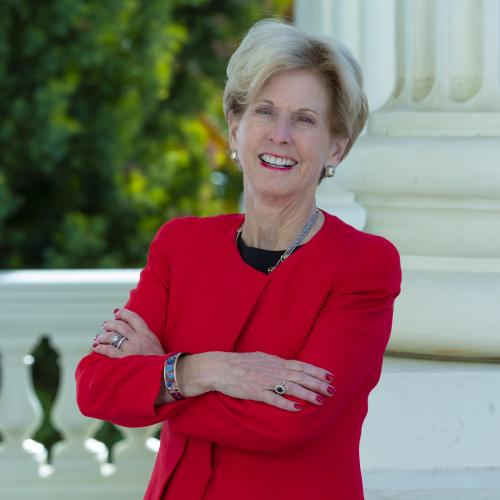
Buffy Wicks
Buffy Wicks House · District 14
D
Strong +
100% 9
Gail Pellerin
Gail Pellerin House · District 28
D
Strong +
100% 9
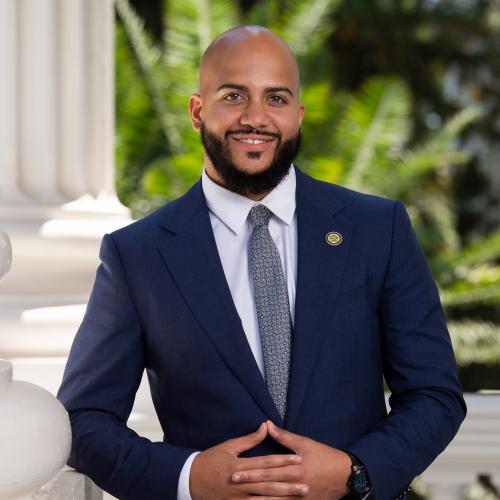
Aisha Wahab
Aisha Wahab Senate · District 10
D
Strong +
100% 8
Christopher Cabaldon
Christopher Cabaldon Senate · District 3
D
Strong +
100% 8
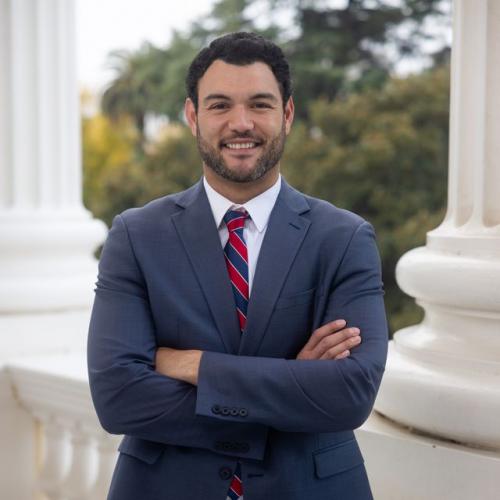
Isaac Bryan
Isaac Bryan House · District 55
D
Strong +
100% 8
Kelly Seyarto
Kelly Seyarto Senate · District 32
R
Strong −
0% 7
Ali Macedo
Ali Macedo House · District 33
R
Strong −
0% 6
Carl DeMaio
Carl DeMaio House · District 75
R
Strong −
0% 6
David Tangipa
David Tangipa House · District 8
R
Strong −
0% 6
Diane Dixon
Diane Dixon House · District 72
R
Strong −
0% 6
Showing 51–54 of 54 bills

All environment bills

failed · California · Assembly Feb 2, 2026

AB 404: California Environmental Quality Act: exemption: prescribed fire, reforestation, habitat restoration, thinning, or fuel reduction projects.

The California Environmental Quality Act (CEQA) requires a lead agency, as defined, to prepare, or cause to be prepared, and certify the completion of an environmental impact report on a project that it proposes to carry out or approve that may have a significant effect on the environment or to adopt a negative declaration if it finds that the project will not have that effect. CEQA also requires a lead agency to prepare a mitigated negative declaration for a project that may have a significant effect on the environment if revisions in the project would avoid or mitigate that effect and there is no substantial evidence that the project, as revised, would have a significant effect on the environment. Existing law, until January 1, 2028, except for the issuance of a permit or other permit approval, exempts from the requirements of CEQA prescribed fire, reforestation, habitat restoration, thinning, or fuel reduction projects, or related activities, undertaken, in whole or in part, on federal lands to reduce the risk of high-severity wildfire that have been reviewed under the federal National Environmental Policy Act of 1969 meeting certain requirements. Existing law requires a lead agency, if it determines that a project qualifies for the above exemption and it determines to approve or carry out the project, to file a notice of exemption with the Office of Land Use and Climate Innovation and with the county clerk in the county in which the project will be located and to post the notice of exemption on its internet website together with a description of where the documents analyzing the environmental impacts of the project under the federal act are available for review. Existing law requires the lead agency, if it is not the Department of Forestry and Fire Protection, to provide the notice of exemption and certain information to the department. This bill would extend the above exemption and requirements on the lead agency indefinitely. By extending the requirements on the lead agency, this bill would impose a state-mandated local program. The California Constitution requires the state to reimburse local agencies and school districts for certain costs mandated by the state. Statutory provisions establish procedures for making that reimbursement. This bill would provide that no reimbursement is required by this act for a specified reason.
Sub-Topics Forestry
signed · California · Assembly Jul 8, 2025

AJR 10: United States Forest Service: federal funding.

This measure would call on the President of the United States to honor his promise to save American lives and communities through forest management and wildfire risk reduction projects, would request that he veto any legislation that defunds the United States Forest Service and work with Congress to protect and improve these programs, and would call for related congressional action.
Sub-Topics Forestry
signed · California · Senate Oct 13, 2025

SB 653: Wildfire prevention: environmentally sensitive vegetation management.

Existing law requires the Department of Forestry and Fire Protection, in accordance with policies established by the State Board of Forestry and Fire Protection, to assist local governments in preventing future high-intensity wildland fires and instituting appropriate fuels management by making its wildland fire prevention and vegetation management expertise available to local governments, as provided. This bill would define an environmentally sensitive vegetation management project to mean vegetation management that reduces catastrophic wildfire risk over the long term while supporting native wildlife and biodiversity. The bill would require a state public entity to consider incorporating specified criteria into its funding guidelines for a grant program that funds environmentally sensitive vegetation management projects.
Sub-Topics Forestry Wildlife
vetoed · California · Senate Mar 2, 2026

SB 88: Air resources: carbon emissions: biomass.

The California Global Warming Solutions Act of 2006 establishes the State Air Resources Board as the state agency responsible for monitoring and regulating sources emitting greenhouse gases and requires the state board to ensure that statewide greenhouse gas emissions are reduced to at least 40% below the 1990 level by 2030. Existing law requires the state board, in consultation with the Department of Forestry and Fire Protection, to develop a standardized system for quantifying the direct carbon emissions and decay from fuel reduction activities for purposes of meeting the accounting requirements for Greenhouse Gas Reduction Fund expenditures, as specified. This bill would require the state board, on or before January 1, 2028, to publish on its internet website an assessment of the life-cycle emissions from alternative uses of forest and agricultural biomass residues, as specified. The bill would require the state board, on or before January 1, 2029, to publish on its internet website a strategy to support beneficial carbon removal products, including, but not limited to, biochar, that are generated from agricultural or forest biomass resources. The bill would require the Department of Forestry and Fire Protection to require, to the extent feasible, all state-funded forest health projects to include an appropriate forest biomass resource disposal component that includes a scientifically based, verifiable method to determine the amount of biomass to be physically removed and the amount to be burned by prescribed burn. The bill would require the State Energy Resources Conservation and Development Commission to include the value proposition of using agricultural and forest biomass resources for low- and negative-carbon liquid and gaseous fuels, including hydrogen, from noncombustion conversion technology methods and other emerging and innovative approaches in relevant reports and other agency-sponsored documentation.
Showing 51 to 54 of 54 bills
Previous 1 4 5 6