Issue · Environment

Environment

Every environment bill, vote, and legislator stance in California, automatically classified by Maddy, our AI policy reader.

Total bills
434
2025-2026 Regular Session
Top supporter
Diane Papan
98% support rate
Top opponent
Natasha Johnson
4% support rate
Ranked legislators
10
5 support · 5 oppose
Key legislators

Who's moving environment in California

Legislators moving environment in California
Legislator Party Stance Support rate Votes
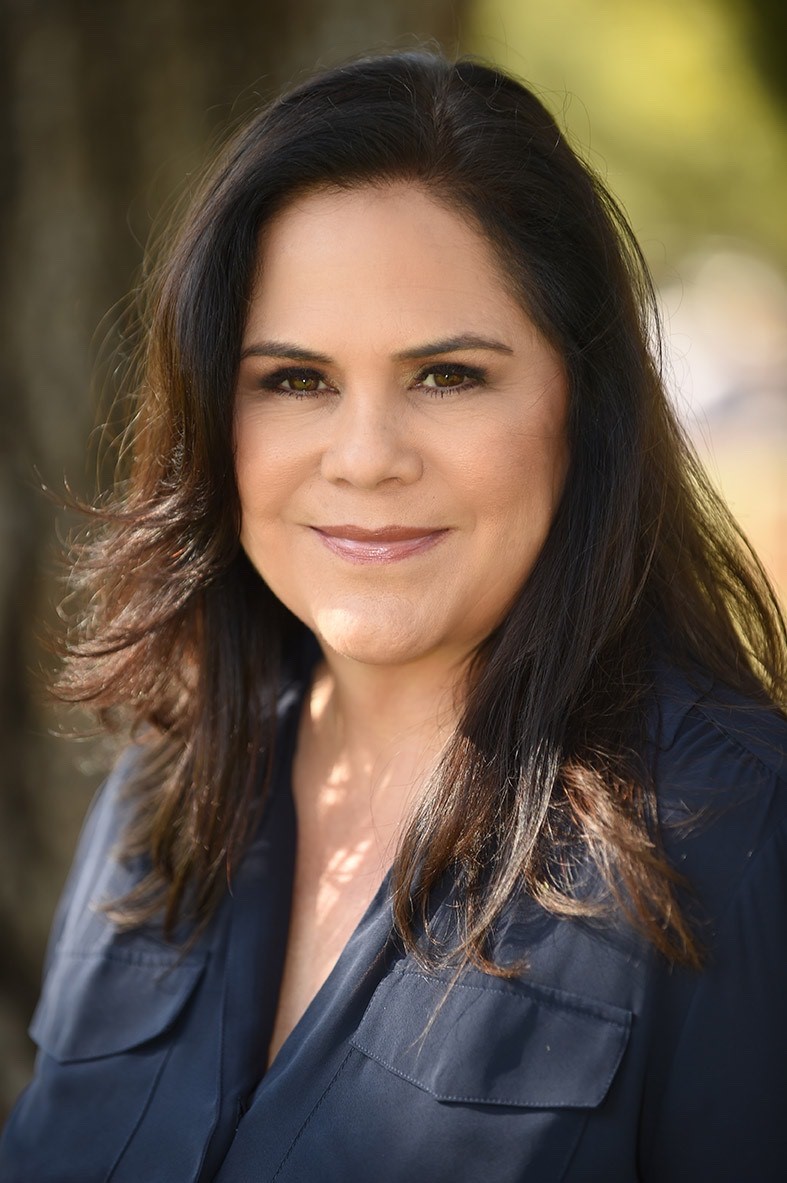
Diane Papan
Diane Papan House · District 21
D
Strong +
98% 153
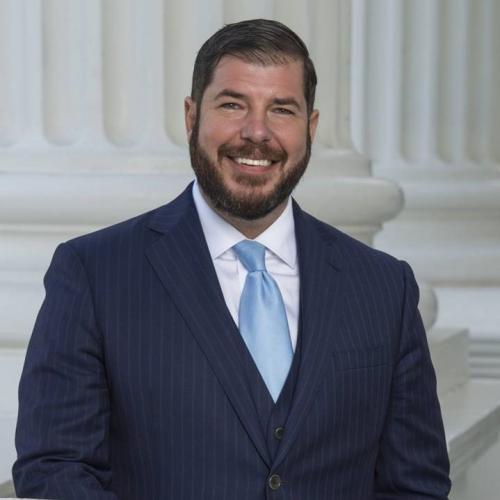
Lisa Calderon
Lisa Calderon House · District 56
D
Strong +
96% 167
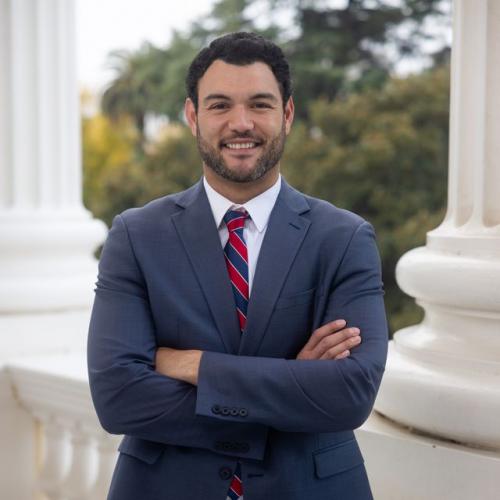
Patrick Ahrens
Patrick Ahrens House · District 26
D
Strong +
96% 117
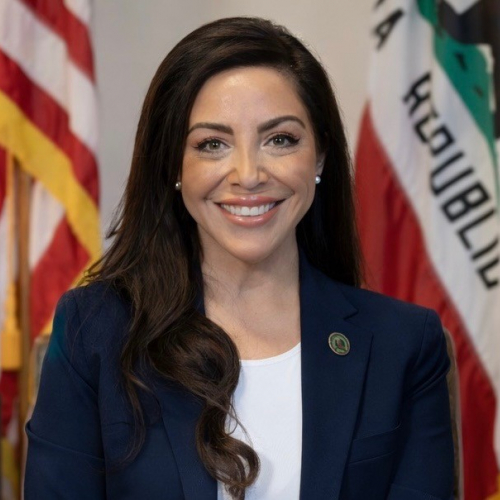
Joaquin Arambula
Joaquin Arambula House · District 31
D
Strong +
96% 184
Lori Wilson
Lori Wilson House · District 11
D
Strong +
96% 160
Natasha Johnson
Natasha Johnson House · District 63
R
Strong −
4% 84
David Tangipa
David Tangipa House · District 8
R
Strong −
5% 217
Carl DeMaio
Carl DeMaio House · District 75
R
Strong −
6% 153
Kate Sanchez
Kate Sanchez House · District 71
R
Strong −
6% 166
Roger Niello
Roger Niello Senate · District 6
R
Strong −
6% 174
Showing 341–350 of 434 bills

All environment bills

passed · California · Senate Jun 5, 2025

SB 360: Land conservation: California Wildlife, Coastal, and Park Land Conservation Act: County of San Bernardino.

(1) The California Wildlife, Coastal, and Park Land Conservation Act, an initiative measure approved by the voters in the June 7, 1988, statewide primary election, provided bond funds for wildlife, coastal, and parkland conservation. The initiative measure authorizes the act to be amended by 2 3 "?> a 23 vote of the Legislature if the amendment is consistent with the purposes of the act. Existing law requires an applicant receiving state funds under the act to maintain any property acquired in perpetuity, as specified, to use the property only for the purposes stated in the act, and to make no other use, sale, or other disposition of the property except as authorized by a specific act of the Legislature. Existing law authorizes the County of San Bernardino to sell or exchange property it owns within the Chino Agricultural Preserve that was purchased with grant funds if it meets certain conditions. Among those conditions, existing law requires the county to preserve all lands and conservation easements acquired or dedicated as authorized by the act in perpetuity for open-space conservation purposes or agricultural preservation, and specifies that agricultural conservation includes community gardens, agricultural heritage projects, agricultural and wildlife education, or wildlife habitat. This bill would additionally authorize preservation of those lands or easements for park and recreational purposes, and would explicitly include, to the extent they are consistent with the purposes of the act, playgrounds, recreational venues, and preservation of historical resources as appropriate purposes. (2) Existing law prohibits the county from selling, exchanging, or otherwise acquiring replacement land or conservation easements unless and until the Board of Supervisors for the County of San Bernardino adopts a detailed land plan. Existing law requires the land plan to, among other things, identify each parcel of property acquired with grant funds and show the specific parcels the county will sell, exchange, purchase, or retain. Existing law requires the land plan to be approved by the Department of Parks and Recreation, as specified. Existing law authorizes the county to propose a plan to the department for the expenditure of any unexpended proceeds from the sale or exchange of land under the land plan for the acquisition of land or easements, or capital improvements to land or easements purchased with grant funds. This bill would eliminate the explicit authorization and procedures specifically applicable to the expenditure of the unexpended proceeds. Existing law authorizes the county to use all income generated from the properties it owns within the preserve that were purchased with grant funds, or that were acquired by exchange or purchase as authorized, except revenues from the sale or exchange of land, for the acquisition of additional replacement land within the preserve pursuant to the land plan or for the improvement, operation, and maintenance of existing or replacement land within the preserve. This bill would authorize the county to use the revenues from the sale or exchange of land for these purposes, and would specify new purposes for which that revenue, and all income generated from the properties the county owns within the preserve that were purchased with grant funds or that were acquired by exchange or purchase, may be used. The bill would prohibit the revenues and income from being granted to a private entity, except as provided. The bill would declare that these requirements are an amendment of the act within the meaning of Section 6 of the act and is consistent with the act.
passed both · California · Assembly Aug 27, 2026

AB 52: Farmer equity: advisory committees.

Existing law, the Farmer Equity Act of 2017, requires the Department of Food and Agriculture to ensure the inclusion of socially disadvantaged farmers and ranchers, as defined, in the development, adoption, implementation, and enforcement of food and agriculture laws, regulations, and policies and programs, as specified. This bill would authorize the Secretary of Food and Agriculture to establish 2 advisory committees, known as the Black, Indigenous, and People of Color (BIPOC) Producer Advisory Committee and the Small-Scale Producer Advisory Committee, for the purpose of advising the secretary and the department with respect to their responsibilities under the Farmer Equity Act of 2017. The bill would authorize the advisory committees to advise the secretary and the department on programs, policies, education, outreach, technical assistance, and general needs for small-scale producers, medium-scale producers, and socially disadvantaged farmers or ranchers in California. The bill would require the members of the advisory committees to be small-scale or medium-scale socially disadvantaged farmers or ranchers, as provided.
Sub-Topics Conservation Tags Tribal Nations
in committee · California · Assembly Mar 25, 2025

ACA 11: A resolution to propose to the people of the State of California an amendment to the Constitution of the State, by adding Section 8 to Article X thereof, relating to water.

The California Constitution declares that the general welfare requires that the water resources of the state be put to beneficial use to the fullest extent of which they are capable, and that the right to the use of water does not extend to the waste or unreasonable use, method of use, or method of diversion of water. This measure, the California Water Resiliency Act, would require the Treasurer to annually transfer an amount equal to 1% of all state revenues from the General Fund to the Water Conveyance and Capacity Infrastructure Fund, which the measure would create. The measure would continuously appropriate moneys in the fund to the California Water Commission for its actual costs of implementing these provisions and for administering grants for the entitlement, repair, design, and construction of water infrastructure projects that will maintain or expand the availability of clean, safe drinking water for homes and businesses, and water for agricultural uses, consistent with area of origin water rights.
Sub-Topics Drinking Water
passed · California · Senate Aug 29, 2025

SB 14: State agencies: solid waste diversion: single-use plastic bottles.

(1) The California Integrated Waste Management Act of 1989, which is administered by the Department of Resources Recycling and Recovery, establishes an integrated waste management program. The act requires each state agency to divert at least 50% of all solid waste through source reduction, recycling, and composting activities. "State agency" is defined, for purposes of these requirements, to include the California Community Colleges. The act requires each state agency to develop and adopt an integrated waste management plan to reduce solid waste, reuse materials whenever possible, recycle recyclable materials, and procure products with recycled content in all state agency offices and facilities, including any leased locations, as provided. The act requires each state agency to submit an annual report to the department summarizing its progress in reducing solid waste by at least 50%, as provided. This bill would require a state agency to include in its integrated waste management plan descriptions of actions to be taken to source reduce certain materials, as specified. The bill would require, on or before July 15, 2027, each state agency to submit an adopted integrated waste management plan to the department for review and approval, and would, on or before January 1, 2028, require the department to complete its review of the plans, as specified. The bill would require a state agency's annual report to include summaries of the state agency's compliance with the requirement to reduce solid waste by 50% and the requirements relating to the adoption of an integrated waste management plan. By imposing new duties on community colleges, the bill would impose a state-mandated local program. This bill would require the department to provide advice to help state agencies and facilities reduce solid waste by at least 50%. The bill would, on or before January 1, 2027, require the department to publish on its internet website a list of products available for purchase by state agencies that would reduce the overall amount of plastic or paper waste generated. (2) Existing law requires plastic beverage containers sold by a beverage manufacturer, as specified, to contain a specified average percentage of postconsumer recycled plastic. Between January 1, 2025, and December 31, 2029, inclusive, existing law requires that percentage to be no less than 25% postconsumer recycled plastic per year, and on and after January 1, 2030, no less than 50% postconsumer recycled plastic per year. This bill would require, on and after January 1, 2026, reportable purchases by state agencies of plastic beverage containers to be of plastic beverage containers with no less than those above-referenced percentages of postconsumer recycled plastic per year. (3) The California Constitution requires the state to reimburse local agencies and school districts for certain costs mandated by the state. Statutory provisions establish procedures for making that reimbursement. This bill would provide that, if the Commission on State Mandates determines that the bill contains costs mandated by the state, reimbursement for those costs shall be made pursuant to the statutory provisions noted above.
passed · California · Senate Aug 29, 2025

SB 556: Habitat enhancement and restoration: floodplains.

Existing law establishes the Wildlife Conservation Board within the Department of Fish and Wildlife. Under existing law, the board administers various habitat conservation and restoration programs. This bill would require, upon appropriation by the Legislature, the sum of $21,500,000 to be allocated to the board for floodplain acquisition, habitat restoration, and associated conservation projects on floodplains in the Counties of Kern, Kings, and Tulare, as provided. This bill would make legislative findings and declarations as to the necessity of a special statute for Counties of Kern, Kings, and Tulare.
passed both · California · Senate Aug 30, 2026

SB 615: Vehicle traction batteries.

Existing law requires the Secretary for Environmental Protection to convene the Lithium-Ion Car Battery Recycling Advisory Group to review, and advise the Legislature on, policies pertaining to the recovery and recycling of lithium-ion vehicle batteries sold with motor vehicles in the state. Existing law also requires the advisory group to submit policy recommendations to the Legislature aimed at ensuring that as close to 100% as possible of lithium-ion vehicle batteries in the state are reused or recycled at end of life in a safe and cost-effective manner. Existing law designates the State Air Resources Board as the state agency charged with coordinating efforts to attain and maintain ambient air quality standards and to regulate emissions from motor vehicles. Existing state board regulations require certain new motor vehicles to be equipped with specified traction battery labels. This bill would require, commencing July 1, 2028, a battery supplier, as defined, to equip a new vehicle traction battery sold in the state with a permanent label containing only specified information, as provided. The bill would require a remanufacturer to rebrand and relabel a remanufactured vehicle traction battery, as provided. The bill would require each battery supplier and remanufacturer, no later than 90 days after the chaptering of the act, to register with the state board and provide the state board with specified information. The bill would require those entities to update that registration and information annually and upon request of the board, as provided. The bill would require the state board to adopt regulations no later than July 1, 2031, to implement and enforce these provisions and would require the state board to determine the most cost-effective means to accept required electronic submissions, as provided. This bill would require battery suppliers, beginning July 1, 2029, and annually thereafter, to pay the state board a fee sufficient to cover the state board's full personnel, administrative, regulatory, and loan and interest costs related to implementing and enforcing these provisions. The bill would require the state board to create a tiered fee schedule based on each battery supplier's share of total in-state vehicle registrations with vehicle traction batteries 10 years prior, and would exempt establishment of and updates to that schedule from the Administrative Procedure Act. The bill would establish the Vehicle Traction Battery Recovery Fund (fund) in the State Treasury and would require the state board to deposit all fee moneys into the fund, as specified. Moneys in the fund would be available, upon appropriation by the Legislature, only to implement and enforce these provisions, and to reimburse specified loans and interest. The bill would authorize, upon appropriation by the Legislature, the Director of Finance to make a loan from an unspecified fund to the fund to meet regulatory and startup costs of the state board's activities pursuant to these provisions. The state board's duties under the bill would be contingent upon an appropriation for these purposes.
passed · California · Assembly Sep 13, 2025

ACR 32: Relative to March4Water Month.

This measure would declare the month of March to be March4Water Month in California and would encourage all Californians to participate in activities and programs during March4Water Month to promote awareness, education, and actions that prioritize water as a vital resource for the state's future.
passed both · California · Assembly Aug 30, 2026

AB 605: Employment: refineries: task force.

Existing law establishes an accidental release prevention program for the state. Under that law, stationary sources subject to the accidental release prevention program may be required to prepare and submit a risk management plan (RMP) to prevent accidental releases of certain substances. Existing law imposes criminal penalties upon a stationary source that knowingly violates the requirements of the accidental release prevention program. This bill would state findings and declarations concerning refinery closures in California. The bill would establish the Refinery Safe Staffing Task Force to develop potential methods and strategies for ensuring maximum employee retention at refineries and addressing employment dislocations associated with oil, gas, and related industries, with membership, as specified, appointed and commencing service no later than January 1, 2028. The bill would require the task force, no later than June 1, 2029, to present to the Legislature and make available online to the public a report documenting a wide range of potential methods and strategies for ensuring maximum employee retention in the time period preceding refinery closure or long-term idling of a refinery, for ensuring safe operation in the event of understaffing, and for transitioning oil and gas workers into sectors that match their skills and experience. The bill would repeal the task force provisions on January 1, 2030.
Sub-Topics Freight
passed · California · Assembly Jul 2, 2025

AB 1244: California Environmental Quality Act: transportation impact mitigation: Transit-Oriented Development Implementation Program.

The California Environmental Quality Act (CEQA) requires a lead agency, as defined, to prepare, or cause to be prepared, and certify the completion of an environmental impact report on a project that it proposes to carry out or approve that may have a significant effect on the environment or to adopt a negative declaration if it finds that the project will not have that effect. CEQA also requires a lead agency to prepare a mitigated negative declaration for a project that may have a significant effect on the environment if revisions in the project would avoid or mitigate that effect and there is no substantial evidence that the project, as revised, would have a significant effect on the environment. Under existing law, the Transit-Oriented Development Implementation Program is administered by the Department of Housing and Community Development to provide local assistance to developers for the purpose of developing higher density uses within close proximity to transit stations as provided. Existing law, establishes the Transit-Oriented Development Implementation Fund and, to the extent funds are available, requires the department to make loans for the development and construction of housing development projects within close proximity to a transit station that meet specified criteria. This bill would authorize a project, to the extent that the project is required to mitigate transportation impacts under CEQA, to satisfy the mitigation requirement by electing to contribute an amount of money, at a price per vehicle mile traveled, as determined by the Office of Land Use and Climate Innovation, to the Transit-Oriented Development Implementation Fund for the purposes of the Transit-Oriented Development Implementation Program, as provided. The bill would require the office, on or before July 1, 2029, and at least once every 3 years thereafter, to update the price per vehicle mile traveled based on specified factors. The bill would require, upon appropriation by the Legislature, the contributions to be available to the department to fund developments located in the same region, as defined, with preference given to specified projects. The bill would require the department to, for each award, confirm the estimated reduction in vehicle miles traveled, as provided, and would require the department to post specified information on its internet website.
passed · California · Assembly Aug 13, 2026

AB 1334: California State Library: study: official state energy.

Existing law establishes the state flag and the state's emblems, including, among other things, the golden poppy as the official state flower, the California redwood as the official state tree, and the California gray whale as the official state marine mammal. Existing law establishes the California State Library within the state government and vests control of the library to the State Librarian. Existing law authorizes the California State Library to serve as the central reference and research library for the departments of state government and maintain adequate legislative reference and research library services for the Legislature. This bill would require the California State Library to conduct a study, in consultation with the public, on the best candidate for the official state energy. The bill would require the California State Library, on or before January 1, 2028, to submit a report to the Legislature with the California State Library's recommendations based on the study. The bill would repeal these provisions on January 1, 2032.
Showing 341 to 350 of 434 bills
Previous 1 34 35 36 44 Next