Issue · Environment

Environment (Air Quality)

Every environment bill, vote, and legislator stance in California, automatically classified by Maddy, our AI policy reader.

Total bills
50
2025-2026 Regular Session
Top supporter
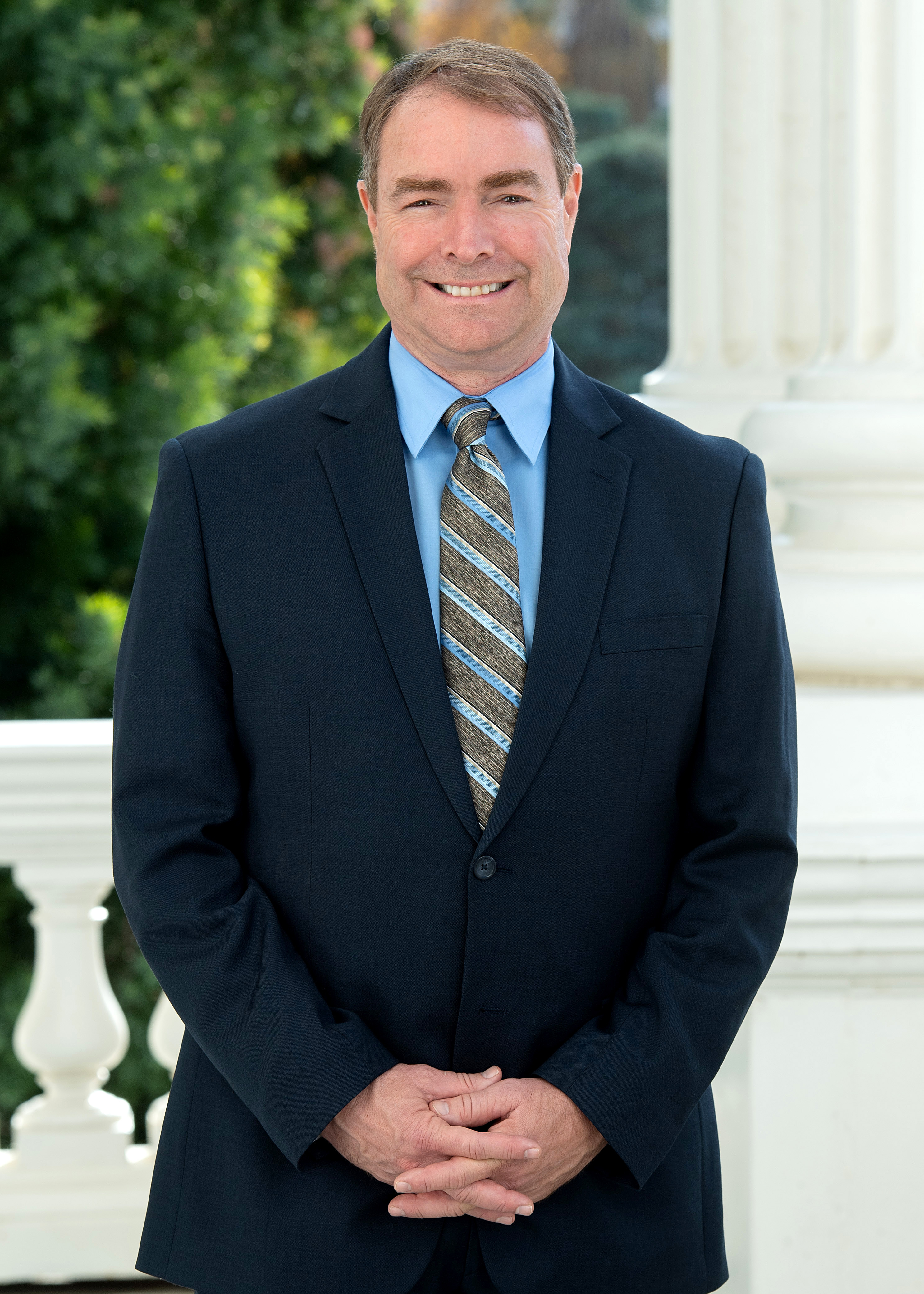
Damon Connolly
100% support rate
Top opponent
Stan Ellis
0% support rate
Ranked legislators
10
5 support · 5 oppose
Key legislators

Who's moving air quality in California

Legislators moving air quality in California
Legislator Party Stance Support rate Votes
Damon Connolly
Damon Connolly House · District 12
D
Strong +
100% 22
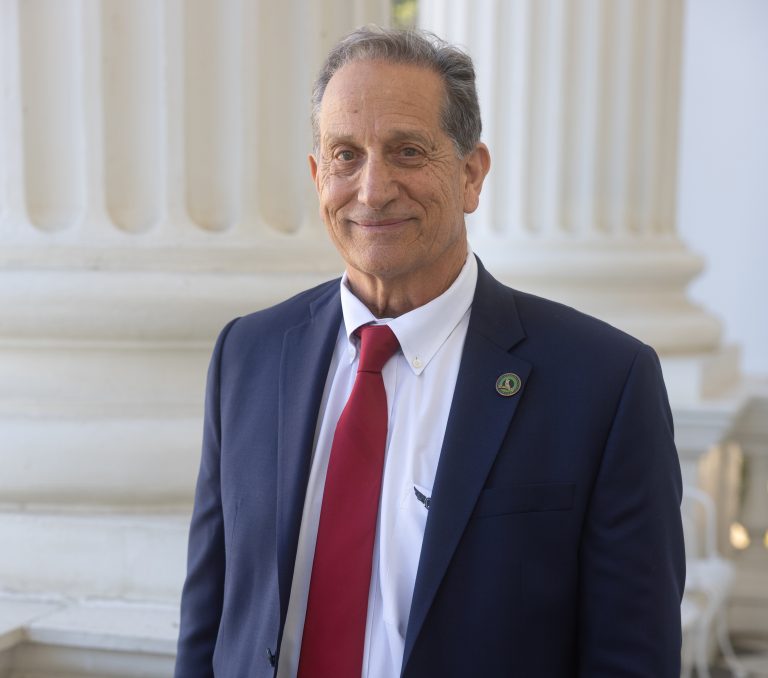
LaShae Sharp-Collins
LaShae Sharp-Collins House · District 79
D
Strong +
100% 20
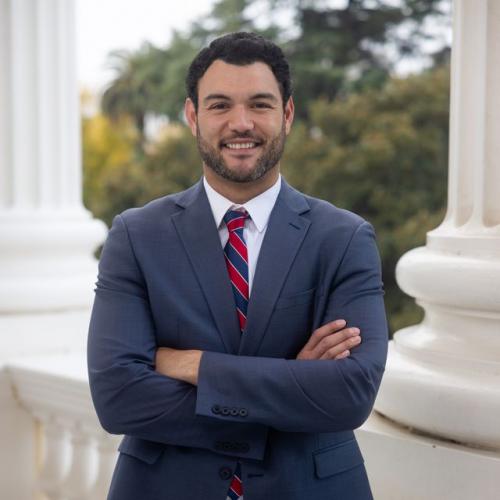
Rick Zbur
Rick Zbur House · District 51
D
Strong +
100% 20
Jessica Caloza
Jessica Caloza House · District 52
D
Strong +
100% 19
JS
José Solache House · District 62
D
Strong +
100% 19
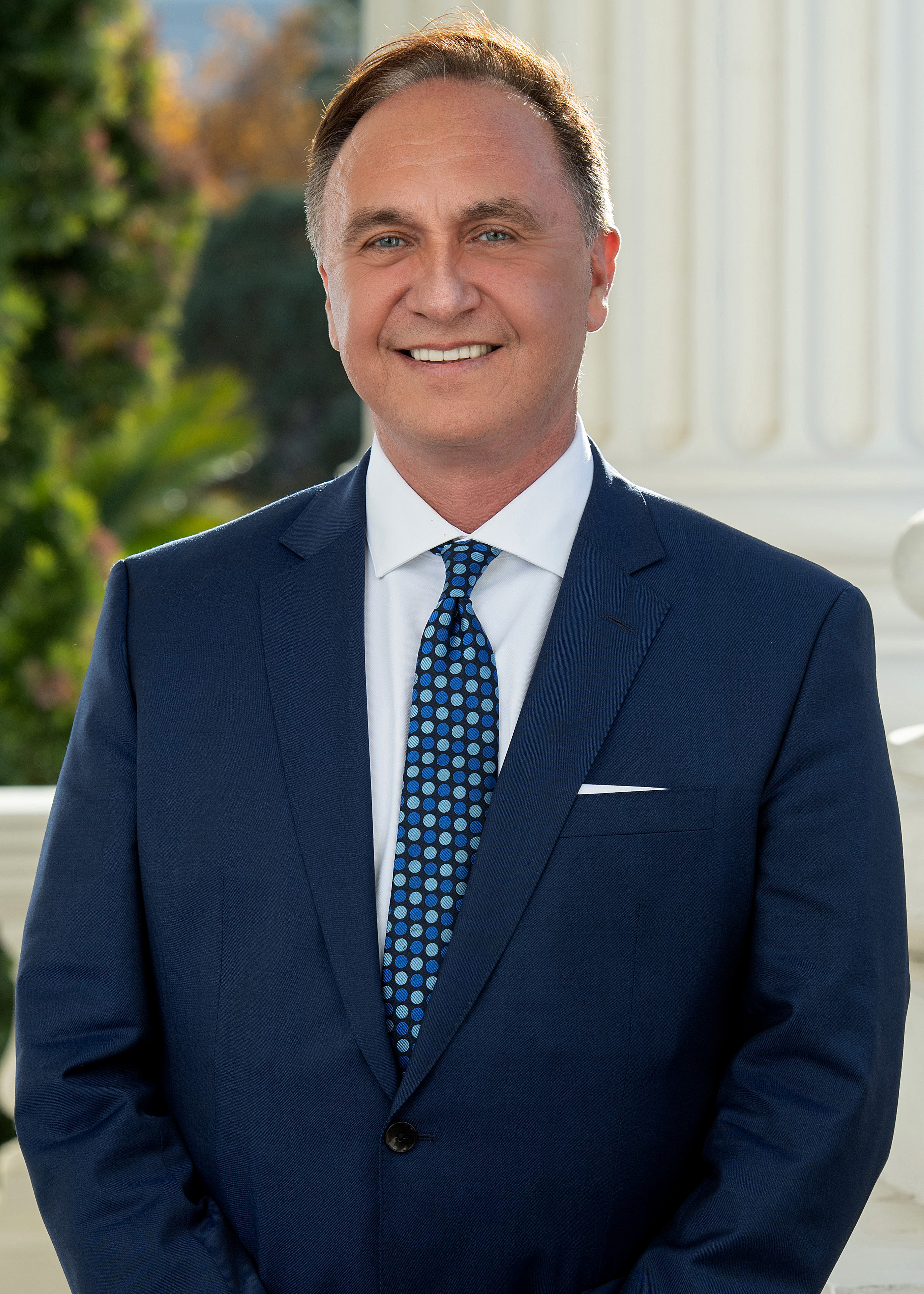
Stan Ellis
Stan Ellis House · District 32
R
Strong −
0% 22
Diane Dixon
Diane Dixon House · District 72
R
Strong −
0% 19
Ali Macedo
Ali Macedo House · District 33
R
Strong −
0% 16
David Tangipa
David Tangipa House · District 8
R
Strong −
0% 16
Kate Sanchez
Kate Sanchez House · District 71
R
Strong −
0% 14
Showing 1–10 of 50 bills

All environment bills

passed · California · Senate Aug 30, 2026

SB 195: Income taxes: exclusions: wildfire loss mitigation payments.

SB 195 is a procedural bill that merely expresses the Legislature's intent to later enact statutory changes related to the upcoming Budget Act of 2025. It does not make any concrete budget changes or affect specific groups or programs. The bill serves as a formal step to signal future legislative action on budget processes, without detailing any specific provisions or funding allocations. This is a standard procedural measure to guide future budget discussions, not a substantive policy change.
passed both · California · Assembly Aug 27, 2026

AB 2635: Air pollution: small off-road engines: voucher programs: local regulation.

Existing law requires the State Air Resources Board, by July 1, 2022, consistent with federal law, to adopt cost-effective and technologically feasible regulations to prohibit engine exhaust and evaporative emissions from new small off-road engines, as defined by the state board. Existing law requires those regulations to apply to engines produced on or after January 1, 2024, or as soon as the state board determines is feasible, whichever is later, and requires the state board to identify, and, to the extent feasible, make available, funding for commercial rebates or similar incentive funding, as specified. This bill would require, to the extent that funding is appropriated by the Legislature, each large and medium air pollution control and air quality management district, no later than January 1, 2028, to implement and maintain a commercial voucher program to support the transition to zero-emission small off-road equipment consistent with specified requirements. By requiring districts to establish a new program, the bill would impose a state-mandated local program. The bill would also require a small rural district or local government that chooses to adopt such a program to comply with specified requirements in administering the program. This bill would prohibit the punishment of a violation of an ordinance adopted by a local government governing the use of any small off-road engine landscaping equipment as an infraction or misdemeanor, and would provide that the ordinance is only punishable by an administrative fine imposed in accordance with specified requirements. Existing constitutional provisions require that a statute that limits the right of access to the meetings of public bodies or the writings of public officials and agencies be adopted with findings demonstrating the interest protected by the limitation and the need for protecting that interest. This bill would make legislative findings to that effect. The bill would include findings that changes proposed by this bill address a matter of statewide concern rather than a municipal affair and, therefore, apply to all cities, including charter cities. The California Constitution requires the state to reimburse local agencies and school districts for certain costs mandated by the state. Statutory provisions establish procedures for making that reimbursement. This bill would provide that, if the Commission on State Mandates determines that the bill contains costs mandated by the state, reimbursement for those costs shall be made pursuant to the statutory provisions noted above.
Sub-Topics Air Quality
in committee · California · Assembly May 18, 2026

AB 1777: Air pollution: indirect sources.

Existing law generally designates the State Air Resources Board as the state agency with the primary responsibility for the control of vehicular air pollution, and air pollution control districts and air quality management districts with the primary responsibility for the control of air pollution from all sources other than vehicular sources. Existing law authorizes air districts to adopt and implement regulations to reduce or mitigate emissions from indirect sources of air pollution. Existing law requires the state board to adopt rules and regulations relating to vehicular emissions standards, as specified, that will achieve the ambient air quality standards required by federal law in conjunction with other measures adopted by the state board, air districts, and the United States Environmental Protection Agency. This bill would authorize the state board, if necessary to carry out that duty to achieve those ambient air quality standards, to adopt regulations to reduce or mitigate emissions from indirect sources of pollution. Existing law makes any violation of a rule or regulation of the state board relating to nonvehicular air pollution control a misdemeanor. Because a violation of these regulations of the state board with respect to nonvehicular sources subject to those regulations would be a crime, this bill would impose a state-mandated local program. The California Constitution requires the state to reimburse local agencies and school districts for certain costs mandated by the state. Statutory provisions establish procedures for making that reimbursement. This bill would provide that no reimbursement is required by this act for a specified reason.
Sub-Topics Air Quality
in committee · California · Assembly May 14, 2026

AB 1849: Decarbonized gaseous fuels.

Existing law regulates the emission of air contaminants, including the oxides of nitrogen, into the atmosphere. Existing law generally vests regulatory jurisdiction over stationary sources of air pollution to the air pollution control districts and air quality management districts and regulatory jurisdiction over mobile sources of air pollution to the State Air Resources Board. This bill would require, on or before December 31, 2029, the state board to conduct an assessment of the amount of decarbonized gaseous fuels that will be needed to decarbonize hard-to-electrify end uses and maintain reliability in the electricity sector and to post the assessment on its internet website. The bill would require the assessment to include an assessment of the need for decarbonized gaseous fuels for each hard-to-electrify end use, as defined. The bill would require the state board, in assessing the policies and incentives, to consider, among other things, how to incentivize the increased production and use of decarbonized gas in California and how to maximize the benefits of decarbonized gas production and use in California, as provided.
Sub-Topics Air Quality
passed both · California · Assembly Aug 28, 2026

AB 2349: State Air Resources Board: regional air quality incident response program.

Existing law generally designates the State Air Resources Board as the state agency with the primary responsibility for the control of vehicular air pollution, and air pollution control districts and air quality management districts with the primary responsibility for the control of air pollution from all sources other than vehicular sources. Existing law requires the state board to inventory sources of air pollution within the air basins of the state, determine the kinds and quantity of air pollutants, and monitor air pollutants in cooperation with districts and other agencies. This bill would require the state board to expand its incident air monitoring program, subject to an appropriation by the Legislature for those purposes, to provide support for a regional network of air quality incident response centers, including at least one air quality incident response and evaluation center located at the South Coast Air Quality Management District, in order to facilitate emergency air monitoring response at the local and regional level. The bill would require each air quality incident response center to be operated by the state board or an air district and would require the state board and each district that operates an air quality incident response center to coordinate to provide emergency air monitoring response for disasters or other crises impacting air quality and public health in the state. The bill would provide that funding made available by the Legislature for purposes of these provisions may be used for various purposes, including program funding to plan, create, equip, and maintain air quality incident response centers. To the extent that the bill would expand the duties of an air district, the bill would impose a state-mandated local program. The California Constitution requires the state to reimburse local agencies and school districts for certain costs mandated by the state. Statutory provisions establish procedures for making that reimbursement. This bill would provide that, if the Commission on State Mandates determines that the bill contains costs mandated by the state, reimbursement for those costs shall be made pursuant to the statutory provisions noted above.
Sub-Topics Air Quality
in committee · California · Senate May 14, 2026

SB 1039: Air resources: refinery-related community air monitoring system.

Existing law requires a refinery-related community air monitoring system to be installed near each refinery, as provided, and requires the monitoring system to include equipment capable of measuring compounds emitted to the atmosphere from refinery processes. Existing law requires owners or operators of petroleum refineries to develop, install, operate, and maintain a fence-line monitoring system in accordance with guidance developed by the appropriate regional air pollution control district or regional air quality management district. This bill would require guidance adopted to implement the fence-line monitoring system to include a process for a petroleum refinery to provide substantial evidence to the appropriate air district to exclude a pollutant for monitoring in a fence-line monitoring system and would authorize the air district to exclude a pollutant for monitoring at a petroleum refinery fence-line monitoring system if the air district determines that substantial evidence supports certain considerations. Because the bill would require air districts to revise their guidance related to the fence-line monitoring system, this bill would impose a state-mandated local program. The California Constitution requires the state to reimburse local agencies and school districts for certain costs mandated by the state. Statutory provisions establish procedures for making that reimbursement. This bill would provide that no reimbursement is required by this act for a specified reason.
Sub-Topics Air Quality
passed · California · Senate Aug 13, 2026

SR 108: Relative to World Asthma Day.

Senate Resolution 108 formally recognizes May 5, 2026, as World Asthma Day in California. The measure highlights the disproportionate impact of asthma on vulnerable populations, including communities of color and farmworker families, who face higher risks due to poor air quality and limited healthcare access. While the resolution does not create new laws, it expresses the Senate's support for asthma education, improved air quality standards, and evidence-based management practices in schools and healthcare settings. Additionally, the bill honors the Central California Asthma Collaborative for its work in community health programs.
in committee · California · Assembly Apr 20, 2026

AB 2752: Bay Area Air Quality Management District and South Coast Air Quality Management District: policies: oil refineries.

Existing law establishes the Bay Area Air Quality Management District, which is vested with the authority to regulate air emissions located in the boundaries of the Counties of Alameda, Contra Costa, Marin, Napa, San Francisco, San Mateo, and Santa Clara and portions of the Counties of Solano and Sonoma. Under existing law, the Lewis-Presley Air Quality Management Act establishes the South Coast Air Quality Management District in those portions of the Counties of Los Angeles, Orange, Riverside, and San Bernardino included within the South Coast Air Basin as the local agency with the responsibility for comprehensive air pollution control within the basin. This bill would require the Bay Area Air Quality Management District and the South Coast Air Quality Management District, on or before December 31, 2027, to analyze specified policies to determine the cost of compliance, potential cost to consumers, impacts on state and local tax revenue, refinery employment, and impacts on the statewide gasoline supply, as provided. The bill would also require those districts, on or before January 1, 2028, to make a good faith effort to minimize any adverse impacts identified pursuant to that requirement. By requiring a higher level of service of local entities, the bill would impose a state-mandated local program. Existing law requires, whenever a district intends to propose the adoption, amendment, or repeal of a rule or regulation that will significantly affect air quality or emissions limitations, that district to perform an assessment of the socioeconomic impacts of the adoption, amendment, or repeal of the rule or regulation. Existing law defines "socioeconomic impact" for these purposes. With respect to the adoption, amendment, or repeal of a rule or regulation related to oil refineries by the Bay Area Air Quality Management District and the South Coast Air Quality Management District, the bill would expand the definition of "socioeconomic impact" to also mean the cost to consumers, impacts on state and local tax revenue, and impacts on the statewide gasoline supply. The bill would also require those districts to actively consider those additional socioeconomic impacts and make a good faith effort to minimize any adverse impacts, as provided, before adopting, amending, or repealing a rule or regulation related to oil refineries. This bill would make legislative findings and declarations as to the necessity of a special statute for the Bay Area Air Quality Management District and the South Coast Air Quality Management District. The California Constitution requires the state to reimburse local agencies and school districts for certain costs mandated by the state. Statutory provisions establish procedures for making that reimbursement. This bill would provide that, if the Commission on State Mandates determines that the bill contains costs mandated by the state, reimbursement for those costs shall be made pursuant to the statutory provisions noted above.
Sub-Topics Air Quality
died · California · Senate May 14, 2026

SB 981: Administrative regulations: standardized regulatory impact analysis: State Air Resources Board.

Existing law designates the State Air Resources Board as the state agency responsible for the preparation of the state implementation plan required by the Clean Air Act, and requires the state board to adopt standards, rules, and regulations that are consistent with the state goal of providing a decent home and suitable living environment for every Californian. Existing law, the Administrative Procedure Act, sets forth the requirements for the adoption, publication, review, and implementation of regulations by state agencies. Existing law requires a state agency proposing to adopt, amend, or repeal a major regulation on or after November 1, 2013, to prepare a standardized regulatory impact analysis, as specified, that addresses, among other things, the competitive advantages or disadvantages for businesses currently doing business within the state and the benefits to health, safety, and welfare of the regulations. This bill would require a standardized regulatory impact analysis prepared by the State Air Resources Board to additionally address cost of living impacts on residents of the state, including, but not limited to, retail gasoline and transportation costs, consumer electric bills, consumer goods and food costs, housing and building construction costs, and costs to businesses.
Sub-Topics Air Quality
in committee · California · Assembly Apr 14, 2026

AB 2672: Transportation fuels: gasoline specifications: air pollution.

The Warren-Alquist State Energy Resources Conservation and Development Act establishes the State Energy Resources Conservation and Development Commission and prescribes the commission's authorities, duties, and responsibilities pertaining to energy matters, including the provision of independent oversight and analysis of the transportation fuels markets for the protection of consumers. Existing law requires the commission to submit an assessment to the Legislature, on or before January 1, 2024, and every 3 years thereafter, regarding transportation fuels in the state. Existing law requires that the first assessment submitted after January 1, 2026, evaluate the cost and supply impacts of allowing the sale of gasoline with alternative specifications to support a reliable and affordable supply of transportation fuels in California, and, if the evaluation finds that allowing the sale of gasoline with alternative specifications is likely to support a reliable and affordable supply of transportation fuels in California, requires the commission, in coordination with the State Air Resources Board, to recommend a strategy to facilitate the sale of gasoline with those alternative specifications that considers, among other things, the use of a fee associated with the sale of gasoline with those alternative specifications to mitigate for any increase in emissions. This bill would require the commission to triennially submit that assessment on or before July 1, rather than January 1, and would require that the commission's recommended strategy's discussion of that fee include recommendations regarding the appropriate fee amount to protect consumers from price impacts and avoid market disruptions. Existing law requires the commission to consider ways to manage necessary refinery turnarounds and maintenance that would protect the health and safety of employees, local communities, and the public, and minimize the impact of maintenance-related production losses on fuel prices. Existing law authorizes the commission, by regulation, to impose requirements governing the timing of turnaround and maintenance, and requires that those regulations include criteria that are required to be met before a refinery commences a turnaround or maintenance event, including the refiner making resupply plans or other arrangements sufficient to ensure that the loss of production during the turnaround or maintenance event does not adversely affect the California transportation fuels market. This bill would expressly provide that those resupply plans or other arrangements may include the sale of gasoline that meets alternative specifications, as provided. Existing law requires the state board to adopt and implement motor vehicle emission standards, in-use performance standards, and motor vehicle fuel specifications for the control of air contaminants and sources of air pollution, as provided. Existing law authorizes the state board to grant variances from gasoline specifications adopted by the state board and to impose fees and conditions on those variances, as provided. Existing law requires that the revenues from those variance fees, except as provided, be transmitted to the Treasurer for deposit into the High Polluter Repair or Removal Account and makes those revenues available, upon appropriation by the Legislature, to implement a program for accelerated retirement of light-duty vehicles to achieve specified emission reductions. This bill would instead require those revenues to be available, upon appropriation by the Legislature, to implement or fund a program for accelerated replacement of light-duty vehicles manufactured before 2004, or that are at least 20 years old, with cleaner and more efficient motor vehicles. The bill would require the commission to adopt regulations specifying the circumstances under which sellers of gasoline are required to apply for and make use of a variance, as provided. The bill would require those regulations to be adopted and implemented for the purpose of protecting consumers from price impacts associated with supply disruptions, as provided. The bill would require the state board to consider amendments to the variance process, as provided. This bill would include a change in state statute that would result in a taxpayer paying a higher tax within the meaning of Section 3 of Article XIIIA of the California Constitution, and thus would require for passage the approval of 23 of the membership of each house of the Legislature.
Showing 1 to 10 of 50 bills
1 2 3 5 Next