



Issue · Education

Education

Every education bill, vote, and legislator stance in California, automatically classified by Maddy, our AI policy reader.

Total bills
414
2025-2026 Regular Session
Top supporter
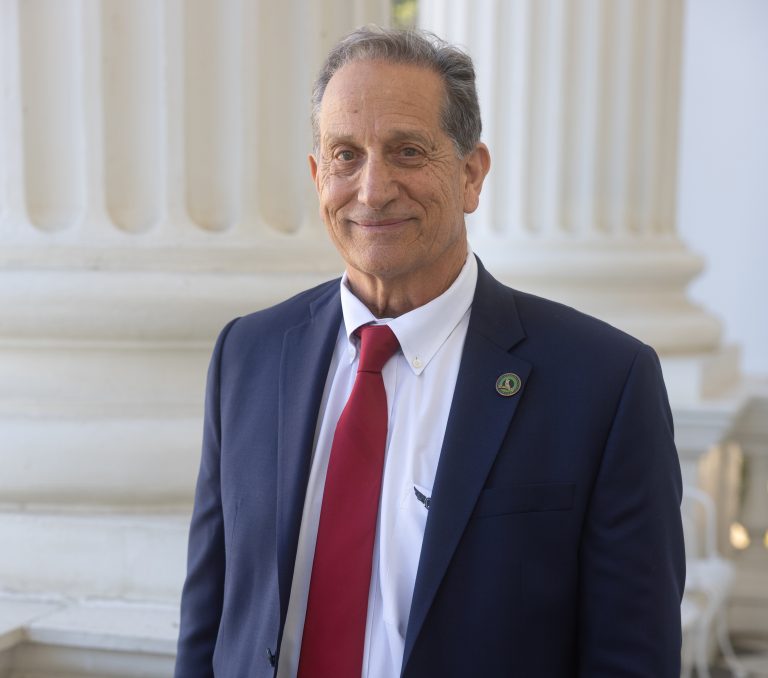
Pilar Schiavo
100% support rate
Top opponent
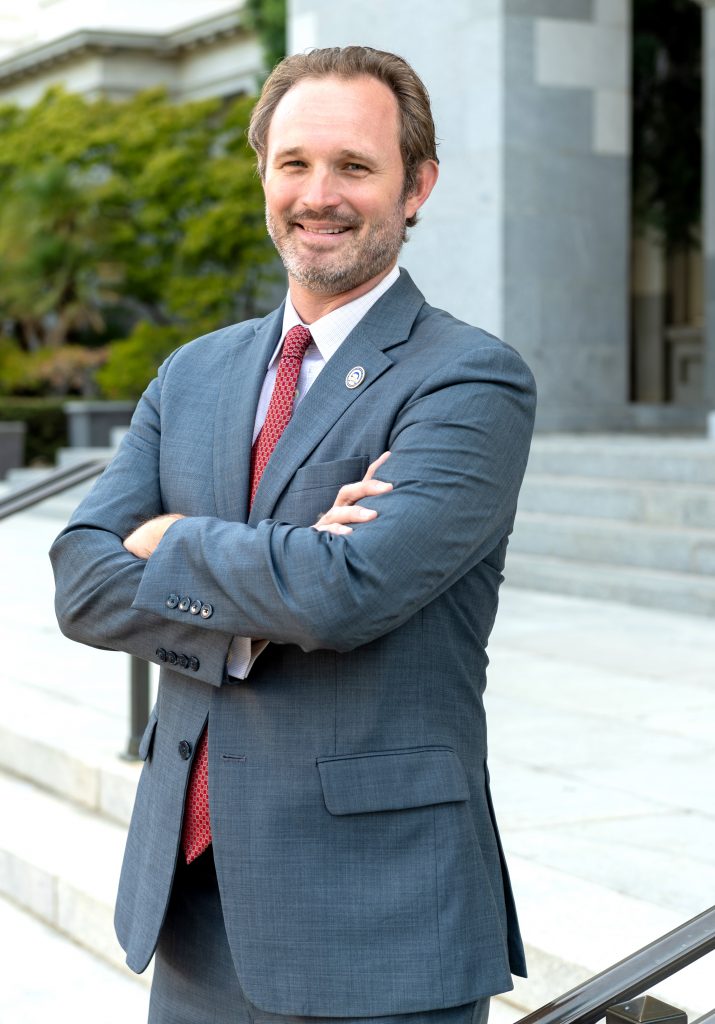
Natasha Johnson
0% support rate
Ranked legislators
10
5 support · 5 oppose
Key legislators

Who's moving education in California

Legislators moving education in California
Legislator Party Stance Support rate Votes
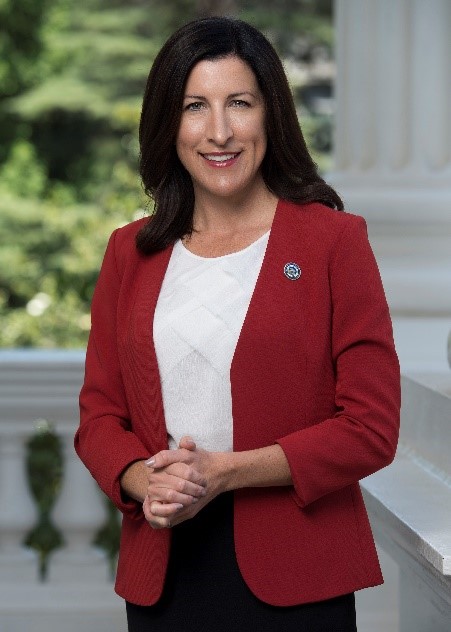
Pilar Schiavo
Pilar Schiavo House · District 40
D
Strong +
100% 467
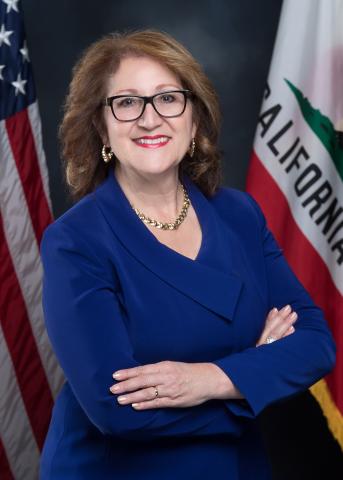
Cottie Petrie-Norris
Cottie Petrie-Norris House · District 73
D
Strong +
100% 451
Eloise Reyes
Eloise Reyes Senate · District 29
D
Strong +
100% 393
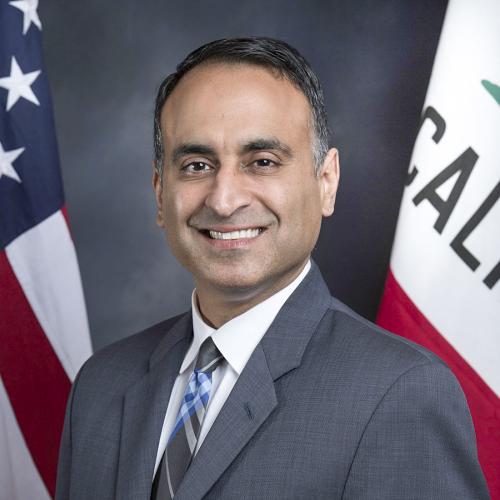
Ash Kalra
Ash Kalra House · District 25
D
Strong +
99% 609
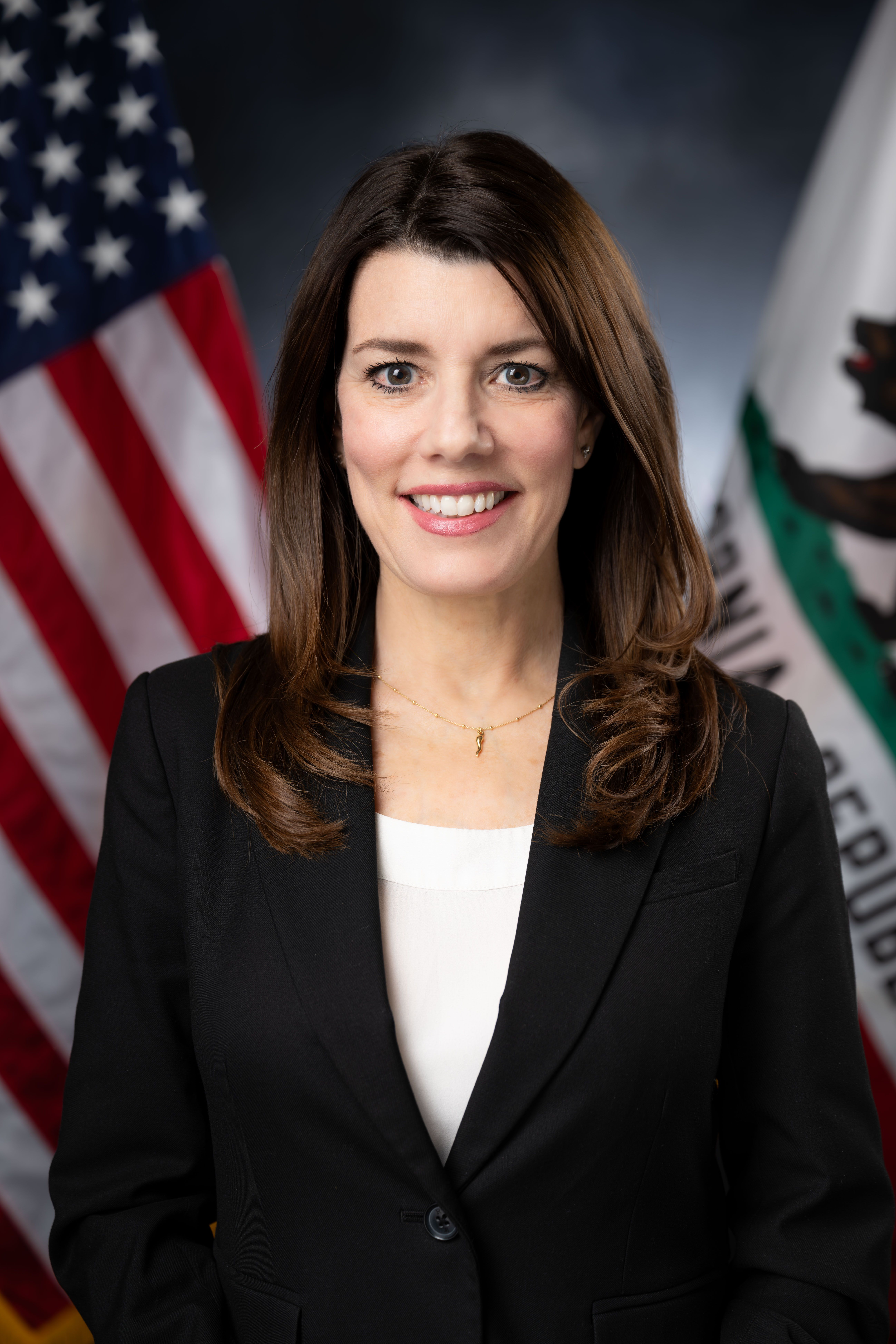
Catherine Stefani
Catherine Stefani House · District 19
D
Strong +
99% 603
Natasha Johnson
Natasha Johnson House · District 63
R
Strong −
0% 329
Stan Ellis
Stan Ellis House · District 32
R
Strong −
0% 504
James Gallagher
James Gallagher House · District 3
R
Strong −
2% 324
Ali Macedo
Ali Macedo House · District 33
R
Strong −
3% 580
Roger Niello
Roger Niello Senate · District 6
R
Strong −
4% 487
Showing 411–414 of 414 bills

All education bills

signed · California · Assembly Oct 7, 2025

AB 715: Educational equity: discrimination: antisemitism prevention.

(1) Existing law states the policy of the State of California is to afford all persons in public schools, regardless of their disability, gender, gender identity, gender expression, nationality, race or ethnicity, religion, sexual orientation, or any other specified characteristic, equal rights and opportunities in the educational institutions of the state. Existing law prohibits the governing board of a school district, a county board of education, or the governing body of a charter school from adopting or approving the use of any textbook, instructional material, supplemental instructional material, or curriculum if its use would subject a pupil to unlawful discrimination, as specified. This bill would additionally prohibit the adoption or approval of the use of any professional development materials if the use of the material would subject a pupil to unlawful discrimination, as specified. The bill would similarly prohibit the adoption or approval of the use of professional development materials or services that promote, endorse, or otherwise support actions or the use of textbooks, instructional materials, supplemental instructional materials, or curriculum that would subject a pupil to unlawful discrimination, as specified. If the governing board of a school district, a county board of education, or the governing body of a charter school knows or has reason to know that materials were used in a classroom or an action occurred that resulted in unlawful discrimination, or knows or has reason to know that professional development materials or services were used that resulted in unlawful discrimination, the bill would require investigation and remediation of the action, as provided. This bill would establish the Office of Civil Rights, under the administration of the Government Operations Agency, with the purpose of working directly with local educational agencies to prevent and address discrimination and bias, as specified. The bill would require the Director of the Office of Civil Rights to be appointed by the Governor and confirmed by the Senate. The bill would require the Office of Civil Rights, in consultation with the State Department of Education and under the supervision of the Government Operations Agency, to, among other things, (A) provide education and educational resources to identify and prevent antisemitism and other forms of discrimination and bias, (B) share relevant laws and regulations with educational state agencies, school districts, county offices of education, charter schools, and community stakeholders, and (C) annually submit a report to the Government Operations Agency, the Superintendent of Public Instruction, the executive director of the State Board of Education, and the Legislature on the state of discrimination and bias in all local educational agencies, as specified. The bill would also require the Office of Civil Rights to employ the Antisemitism Prevention Coordinator to be appointed by the Governor and confirmed by the Senate. The bill would require the Antisemitism Prevention Coordinator to, among other things, develop, consult, and provide antisemitism education to school personnel to identify and proactively prevent antisemitism and to make recommendations, in coordination with the executive director of the state board, to the Legislature on legislation necessary for the prevention of antisemitism in educational settings. (2) Existing law authorizes a party to a written complaint of prohibited discrimination to appeal the action taken by the governing board of a school district to the State Department of Education. This bill would authorize a party to a written complaint of prohibited discrimination to appeal to the department based on the governing board of a school district's failure to issue an investigation report within a certain timeline. Existing law authorizes a person to file a complaint of an alleged violation with the local educational agency using the uniform complaint process or directly with the Superintendent as provided. If the Superintendent determines that a local educational agency has violated that prohibition and has not taken corrective action within 60 days, existing law authorizes the department to use any means authorized to effect compliance. This bill would authorize the department to require local educational agencies to take specified corrective actions, including obtaining technical assistance from the Office of Civil Rights and requiring the local educational agency to engage in regular reporting to the Office of Civil Rights and to use alternative instructional materials. The bill would prohibit instructional materials found to have resulted in unlawful discrimination, as provided, to be used in any current course offerings or any subsequent course offerings. If the unlawful discrimination involves antisemitism, the bill would require an improvement plan to be created in consultation with the Antisemitism Prevention Coordinator. If a determination is made that an organization has contracted to provide any textbook, instructional material, professional development material, supplemental instructional material, or curriculum that violates specified laws that prohibit subjecting a pupil to unlawful discrimination, the bill would require a local educational agency or the Superintendent to notify the organization that it must take corrective action, as provided, and would require the organization found to be in violation to, among other things, reimburse all funds received for their services from the local educational agency. (3) Existing law prohibits instruction or school-sponsored activities that promote a discriminatory bias on the basis of race or ethnicity, gender, religion, disability, nationality, sexual orientation, or other characteristics, as provided. This bill would establish that discriminatory bias in instruction and school-sponsored activities does not require a showing of direct harm to members of a protected group and would not require members of a protected group to be present while the discriminatory bias is occurring for the act to be considered discriminatory bias. If the governing board or body of the local educational agency finds that instruction or school-sponsored activities are discriminatory, as provided, the bill would require corrective action to be taken, as provided. (4) Existing law requires the governing board of a school district to annually notify parents or guardians of minor pupils of specified rights and responsibilities of the parent or guardian and of specified school district policies and procedures. This bill would require the notification to additionally advise the parent or guardian of the protections, requirements, and responsibilities prescribed in this bill. (5) This bill would require the department, by October 1 of each year, to issue a management bulletin to all local educational agencies describing the protections, requirements, and responsibilities prescribed in certain laws. The bill would require the Superintendent, in consultation with the executive director of the state board and the Antisemitism Prevention Coordinator, to develop and maintain a distinct internet web page containing resources and information specific to antisemitism on its internet website. (6) This bill would make the operation of its provisions contingent upon the enactment of SB 48 of the 2025–26 Regular Session. (7) By imposing additional duties on local educational agencies, this bill would impose a state-mandated local program. The California Constitution requires the state to reimburse local agencies and school districts for certain costs mandated by the state. Statutory provisions establish procedures for making that reimbursement. This bill would provide that, if the Commission on State Mandates determines that the bill contains costs mandated by the state, reimbursement for those costs shall be made pursuant to the statutory provisions noted above.
vetoed · California · Assembly Jan 22, 2026

AB 86: Instructional materials: health education.

Existing law requires the State Board of Education to adopt instructional materials for kindergarten and grades 1 to 8, inclusive, and to adopt procedures for the submission of instructional materials. This bill would require the state board to, on or before July 1, 2028, adopt instructional materials for health education, as specified.
Sub-Topics Curriculum
signed · California · Assembly Oct 12, 2025

AB 419: Educational equity: immigration enforcement.

Existing law prohibits, except as required by state or federal law or as required to administer a state or federally supported educational program, school officials and employees of a local educational agency from collecting information or documents regarding citizenship or immigration status of pupils or their family members. Existing law requires the governing board or body of a school district, county office of education, or charter school to perform specified actions relating to pupils and immigration status, including, among others, providing information to parents and guardians, as appropriate, regarding their children's right to a free public education, regardless of immigration status or religious beliefs. This bill would require the governing board or body of a local educational agency to post specified information related to immigration enforcement in the administrative buildings and on the internet websites of the local educational agency and each of its schoolsites, as provided. To the extent the bill imposes additional duties on local educational agencies, the bill would impose a state-mandated local program. This bill would incorporate additional changes to Section 234.7 of the Education Code proposed by AB 49 to be operative only if this bill and AB 49 are enacted and this bill is enacted last. The California Constitution requires the state to reimburse local agencies and school districts for certain costs mandated by the state. Statutory provisions establish procedures for making that reimbursement. This bill would provide that, if the Commission on State Mandates determines that the bill contains costs mandated by the state, reimbursement for those costs shall be made pursuant to the statutory provisions noted above.
signed · California · Assembly Oct 8, 2025

AB 1264: Pupil nutrition: restricted school foods and ultraprocessed foods of concern: prohibition.

(1) Existing law, the California Nutrition Monitoring Development Act of 1986, requires the State Department of Public Health to assess the availability and adequacy of existing state and local food and nutrition data systems. The act requires different state departments, including the State Department of Education, to provide to the State Department of Public Health, upon request, nutrition-related data collection forms, documentation, and reports of various programs. This bill would define "ultraprocessed food" for certain school-related purposes and would require the State Department of Public Health to adopt regulations, on or before June 1, 2028, to define "ultraprocessed foods of concern" and "restricted school foods," as specified. The bill would require the department, when defining ultraprocessed foods of concern and restricted school foods, to consider specified factors, including, among others, whether, based on reputable peer-reviewed scientific evidence, a substance or group of substances are linked to health harms or adverse health consequences, as specified. The bill would require schools, as defined, to begin to phase out restricted school foods and ultraprocessed foods of concern by no later than July 1, 2029. Beginning July 1, 2032, the bill would prohibit a vendor from offering restricted school foods and ultraprocessed foods of concern to a school. This bill, on or before February 1, 2028, and on or before February 1 of each year thereafter through February 1, 2032, would require a vendor to report specified information to the State Department of Public Health for each food product sold to a school in the past calendar year, including, among others, the total quantity of food product sold to schools and whether that food product is an ultraprocessed food, a restricted school food, or an ultraprocessed food of concern. The bill, on or before July 1, 2028, and on or before July 1 of each year thereafter through July 1, 2032, would require the State Department of Public Health, in consultation with the State Department of Education, to submit to the Legislature and the Governor a report that contains, among other things, a summary and analysis of the information reported to the State Department of Public Health by vendors and recommendations for state and local legislative actions that could reduce the consumption of ultraprocessed foods, restricted school foods, and ultraprocessed foods of concern in schools. The bill would require the State Department of Public Health to consult with the State Department of Education regarding compliance training and technical assistance for school food service and procurement staff for these purposes and would require the State Department of Public Health to establish a structure to deliver training and technical assistance to local educational agencies. (2) Existing law requires the State Department of Education to develop and maintain nutrition guidelines for school lunches and breakfasts, and for all food and beverages sold on public school campuses, consistent with the requirements for a nutritionally adequate breakfast and a nutritionally adequate lunch. Existing law defines a nutritionally adequate breakfast and a nutritionally adequate lunch for these purposes to mean those that qualify for reimbursement under the most current meal pattern for the federal School Breakfast Program and the federal National School Lunch Program, respectively. Existing law requires a school district, county superintendent of schools, or charter school maintaining kindergarten or any of grades 1 to 12, inclusive, to make available a nutritionally adequate breakfast and a nutritionally adequate lunch, free of charge, during each schoolday to any pupil who requests a meal without consideration of the pupil's eligibility for a federally funded free or reduced-price meal. Existing law authorizes a school operated and maintained by a school district or county office of education, from the midnight before to 30 minutes after the end of the official schoolday, to sell food and beverages other than meals reimbursed by specified federal nutrition programs, only if the food or beverages meet dietary guidelines, as specified, depending on grade level. This bill, beginning July 1, 2035, would prohibit a school district, county superintendent of schools, or charter school maintaining kindergarten or any of grades 1 to 12, inclusive, from offering a nutritionally adequate breakfast or lunch that includes restricted school foods or ultraprocessed foods of concern, as provided, and would prohibit a school operated and maintained by a school district or county office of education from selling food or beverages, except for food items sold as part of a school fundraising event, containing those restricted school foods or ultraprocessed foods of concern, as provided. (3) To the extent this bill would impose additional requirements on public schools, the bill would impose a state-mandated local program. (4) The California Constitution requires the state to reimburse local agencies and school districts for certain costs mandated by the state. Statutory provisions establish procedures for making that reimbursement. This bill would provide that, if the Commission on State Mandates determines that the bill contains costs mandated by the state, reimbursement for those costs shall be made pursuant to the statutory provisions noted above.
Showing 411 to 414 of 414 bills
Previous 1 40 41 42