




Issue · Education

Education (School Choice)

Every education bill, vote, and legislator stance in California, automatically classified by Maddy, our AI policy reader.

Total bills
59
2025-2026 Regular Session
Top supporter
Dawn Addis
100% support rate
Top opponent
Joe Patterson
0% support rate
Ranked legislators
10
5 support · 5 oppose
Key legislators

Who's moving school choice in California

Legislators moving school choice in California
Legislator Party Stance Support rate Votes
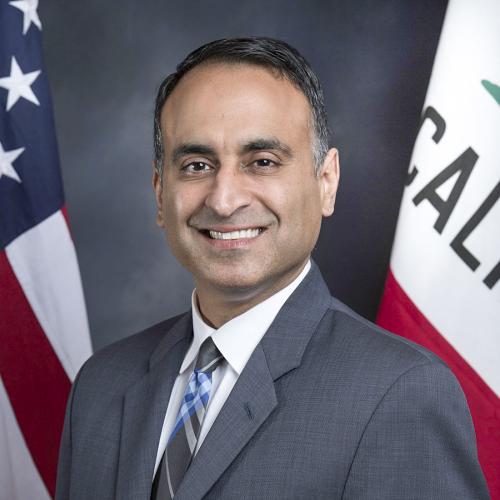
Dawn Addis
Dawn Addis House · District 30
D
Strong +
100% 12
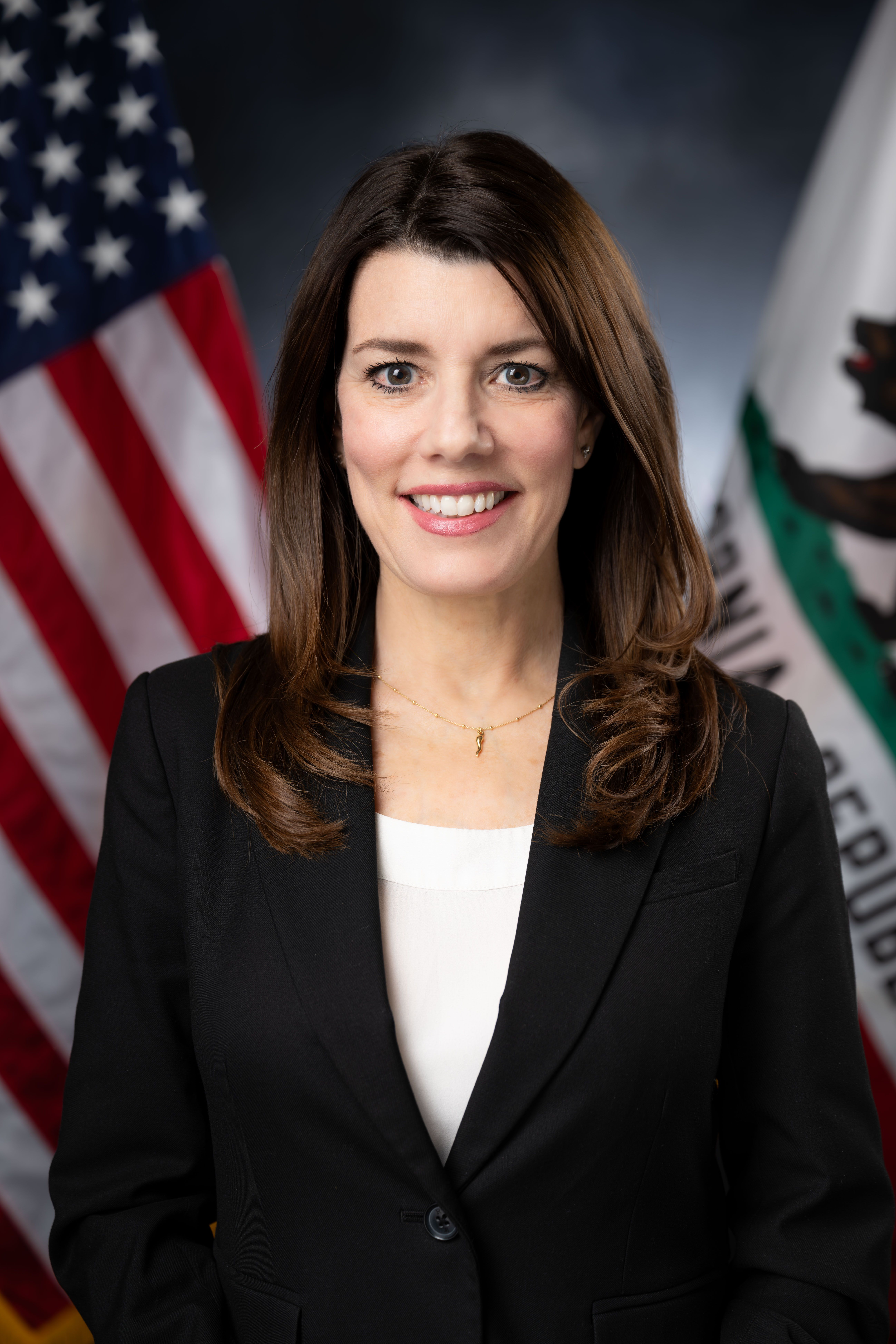
Ash Kalra
Ash Kalra House · District 25
D
Strong +
100% 9
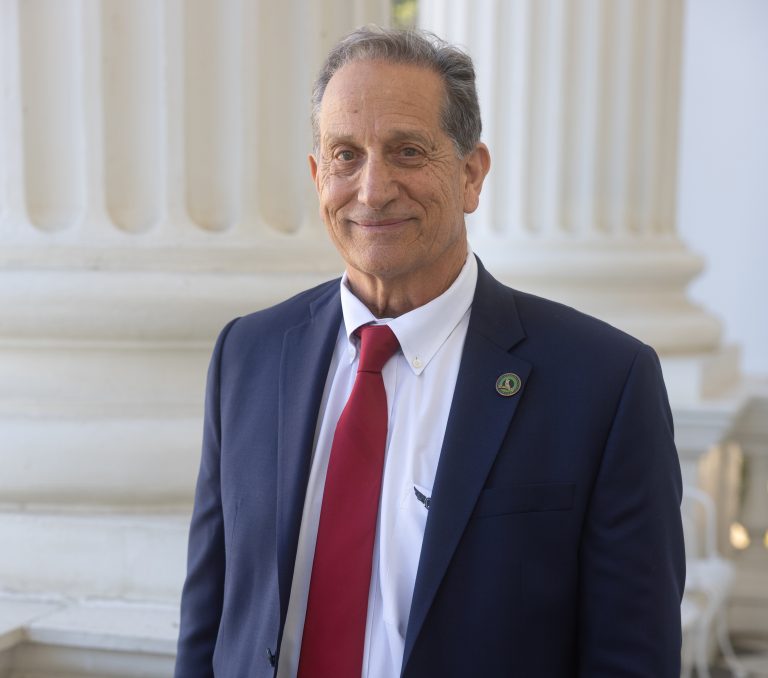
Catherine Stefani
Catherine Stefani House · District 19
D
Strong +
100% 9
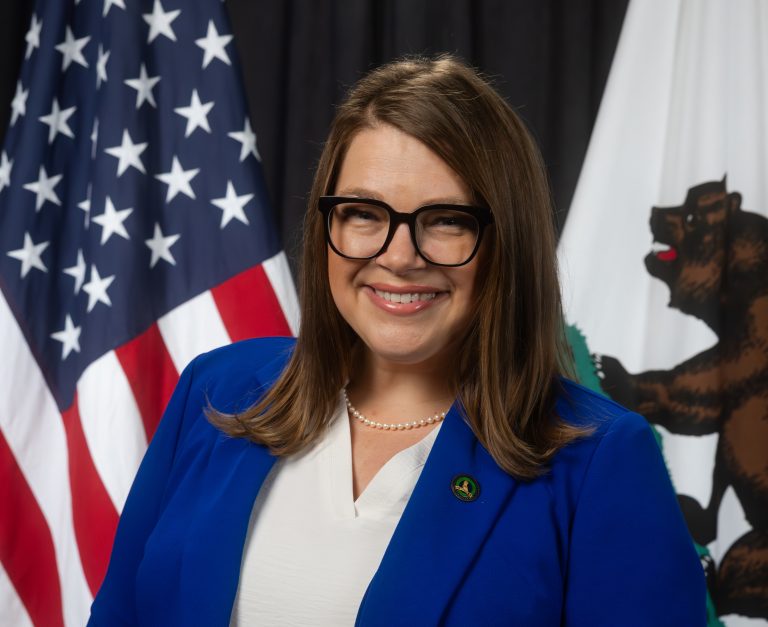
Damon Connolly
Damon Connolly House · District 12
D
Strong +
100% 9
Gregg Hart
Gregg Hart House · District 37
D
Strong +
100% 9
Joe Patterson
Joe Patterson House · District 5
R
Strong −
0% 8
Stan Ellis
Stan Ellis House · District 32
R
Strong −
0% 8
Heather Hadwick
Heather Hadwick House · District 1
R
Strong −
0% 7
Ali Macedo
Ali Macedo House · District 33
R
Strong −
0% 6
Heath Flora
Heath Flora House · District 9
R
Strong −
0% 5
Showing 31–40 of 59 bills

All education bills

signed · California · Senate Oct 7, 2025

SB 848: Pupil safety: school employee misconduct: child abuse prevention.

(1) Under existing law, each school district and county office of education is responsible for the overall development, as specified, of a comprehensive school safety plan for each of its schools operating kindergarten or any of grades 1 to 12, inclusive. Existing law requires that the plan include, among other things, child abuse reporting procedures, as specified. This bill would require a comprehensive school plan to instead include child abuse or neglect reporting procedures and would additionally require a comprehensive school safety plan, when it is next reviewed and updated, or by no later than July 1, 2026, to include procedures specifically designed to address the supervision and protection of children from child abuse or neglect and sex offenses. By imposing additional duties on local educational agencies, the bill would impose a state-mandated local program. Existing law requires school district and county office of education comprehensive school safety plans to include assessing school crime committed on school campuses and at school-related functions. This bill would require school district and county office of education comprehensive school safety plans to instead include assessing all crime, not just school crime, committed on school campuses and at school-related functions. By imposing additional duties on local educational agencies, the bill would impose a state-mandated local program. Existing law authorizes a principal or their designee, when they verify through local law enforcement officials that a report has been filed of the occurrence of a violent crime on the schoolsite of an elementary or secondary school at which they are the principal, to send to each pupil's parent or legal guardian and each school employee a written notice of the occurrence and general nature of the crime, as specified. Existing law provides that these provisions do not create any liability in a school district or its employees. This bill would revise and expand the definition of "violent crime" for these purposes and would authorize a principal or their designee to also provide that same notification for sex offenses, as defined. (2) Existing law requires the Commission on Teacher Credentialing to, among other things, establish standards for the issuance and renewal of credentials, certificates, and permits, as specified. Existing law requires the commission to deny an application for the issuance of a credential or for the renewal of a credential, or to revoke a credential, for any person convicted of a sex offense, as defined. Existing law prohibits the governing board of a school district from employing or retaining in employment persons in public school service who have been convicted, or who have been convicted following a plea of nolo contendere to charges, of any sex offense, and prescribes numerous provisions, including required actions, relating to suspensions, dismissals, and leaves of absences of public school employees charged or convicted of a sex offense. This bill would expand the definition of "sex offense" for those purposes to include additional crimes, as provided. To the extent the expanded definition of sex offenses would impose additional duties on local educational agencies or other local entities or officials, the bill would impose a state-mandated local program. In addition to any other prohibition or provision, existing law prohibits a person who has been convicted of a violent or serious felony from being hired by a school district, as defined, or charter school in a position requiring certification qualifications or supervising positions requiring certification qualifications, and prohibits a school district, as defined, or charter school from retaining in employment a current certificated employee who has been convicted of a violent or serious felony, and who is a temporary employee, a substitute employee, or a probationary employee serving before March 15 of the employee's second probationary year, as provided. This bill would apply those same prohibitions to persons who have been convicted of sex offenses, as defined, as provided. To the extent the bill would impose additional duties on local educational agencies, the bill would impose a state-mandated local program. (3) Existing law prohibits school districts, county offices of education, charter schools, and state special schools from entering into an agreement that would prevent a mandatory report of egregious misconduct, as defined, or expunging from an employee's personnel file, or entering in an agreement that would authorize expunging from an employee's personnel file, credible complaints of, substantiated investigations into, or discipline for, egregious misconduct. Existing law requires a school district, county office of education, charter school, or state special school that has made a report of an employee's egregious misconduct to the Commission on Teacher Credentialing to disclose this fact to a school district, county office of education, charter school, or state special school considering an application for employment from the employee, upon inquiry. This bill would additionally apply those provisions to private schools and diagnostic centers operated by the State Department of Education. Existing law requires a person applying for a certificated position at a school district, county office of education, charter school, or state special school to provide that prospective employer with a complete list of every school district, county office of education, charter school, or state special school that the applicant has previously been an employee of, and requires school districts, county offices of education, charter schools, and state special schools considering an applicant for a certificated position to inquire with each of those local educational agencies that previously employed the applicant as to whether the applicant, while previously employed by the local educational agency, was the subject of any credible complaints of, substantiated investigations into, or discipline for, egregious misconduct that were required to be reported to the commission. Existing law requires those local educational agencies, when responding to an inquiry as to whether it has made a report of egregious misconduct to the commission, to also provide the inquiring local educational agency with a copy of all relevant information that was reported to the commission within its possession. This bill would additionally apply those provisions to private schools and diagnostic centers operated by the department, and would also prescribe similar provisions for noncertificated employees applicable to school districts, county offices of education, charter schools, and state special schools and diagnostic centers operated by the department, and for employees of any position at private schools. By imposing additional duties on local educational agencies, the bill would impose a state-mandated local program. This bill would require the commission, on or before July 1, 2027, and contingent upon an appropriation for these purposes in the annual Budget Act or another statute, to develop a statewide data system that includes information relating to investigations of allegations of egregious misconduct of individuals serving in a noncertificated position for a local educational agency, as defined, or in any position for a private school. The bill would require the commission to serve only as the data administrator for records submitted to the statewide data system and to ensure the secure operation and technical functionality of the statewide data system. The bill would require local educational agency employers and private school employers, following both the start of, and completion of, an investigation of egregious misconduct, to submit notice to the statewide data system, as provided. The bill would require substantiated reports of egregious misconduct and employee departures from employment during investigations to be recorded in the statewide data system, and would prohibit the recording in the statewide data system of investigations of egregious misconduct that result in an unfounded or inconclusive report, as provided. The bill would require those local educational agencies and private school organizations that are responsible for employment, employee investigations, or hiring decisions to review the statewide data system to determine whether an investigation resulted in a substantiated report of egregious misconduct before hiring an individual for an applicable position. By imposing additional duties on local educational agencies, the bill would impose a state-mandated local program. The bill would prohibit the commission from being responsible for verifying the truthfulness or legal sufficiency of the information submitted by local educational agency employers or private school employers. This bill would, on or before July 1, 2026, require each governing board of a school district, county board of education, and governing body of a charter school or private school, and the department for purposes of state special schools and diagnostic centers operated by the department, to (A) adopt written policies that promote safe environments for pupil learning and engagement, as specified, and (B) adopt written policies, plans, or specifications regarding school facilities, and the furnishing of school facilities, that address classroom and nonclassroom environments to promote safe environments for learning and engagement that are easily supervised. By imposing additional duties on local educational agencies, the bill would impose a state-mandated local program. The bill would encourage school districts, county offices of education, and charter schools to work with their public entity risk pool joint powers authority or insurance provider to identify and adopt best practices known to prevent violent crimes, injury, sex offenses, and egregious misconduct. (4) Existing law requires the commission to appoint a Committee of Credentials and requires allegations of acts or omissions for which adverse action may be taken against applicants or holders of teaching or services credentials to be presented to the committee. Existing law authorizes the committee to commence an initial review upon the receipt of any of a list of specified documents or information. This bill would additionally authorize the committee to commence an initial review upon the receipt of a record of a substantiated report or the receipt of a record of a start of an investigation followed by a change in employment status during an investigation entered into the statewide data system. (5) Existing law requires the State Department of Education, in consultation with the Office of Child Abuse Prevention in the State Department of Social Services to, among other things, (A) develop and disseminate to all school districts, county offices of education, state special schools and diagnostic centers operated by the department, and charter schools, and their school personnel in California, information regarding the detection and reporting of child abuse, and (B) provide statewide guidance on the responsibilities of mandated reporters who are school personnel, as specified. This bill, commencing July 1, 2026, would, among other things, (A) require that information to additionally be developed and disseminated to private schools and school volunteers, and (B) require that guidance to include school volunteers who are mandated reporters. Existing law requires the State Department of Education to develop and disseminate to all school districts, county offices of education, state special schools and diagnostic centers operated by the department, and charter schools, and their school personnel in California, information regarding the prevention of abuse, including sexual abuse, of children on school grounds, by school personnel, or in school-sponsored programs, and to develop appropriate means of instructing school personnel regarding the prevention of abuse, including sexual abuse, of children on school grounds, by school personnel, or in school-sponsored programs. This bill, commencing July 1, 2026, would, among other things, (A) require that information to additionally be developed and disseminated to private schools and school volunteers, and (B) require that means of instruction to include school volunteers. Existing law requires school districts, county offices of education, state special schools and diagnostic centers operated by the State Department of Education, and charter schools to provide annual training, using the online training module provided by the State Department of Social Services or an alternative training, to their employees and persons working on their behalf who are mandated reporters, as defined, on the mandated reporting requirements related to child abuse, as provided. Existing law also requires those entities to develop a process for all persons required to receive that training to provide proof of completing the training within the first 6 weeks of each school year or within the first 6 weeks of that person's employment. Commencing July 1, 2025, existing law additionally requires school districts, county offices of education, state special schools and diagnostic centers operated by the State Department of Education, and charter schools to, among other things, provide annual training to their employees on the prevention of abuse, including sexual abuse, of children on school grounds, by school personnel, or in school-sponsored programs, as provided, and applies the proof of training requirements to this training. This bill, commencing July 1, 2026, would, among other things, additionally apply those provisions to private schools and school volunteers, as provided, and would require school districts, county offices of education, state special schools and diagnostic centers operated by the State Department of Education, private schools, and charter schools that do not use the online training module provided by the State Department of Social Services to use an equivalent training module developed specifically to meet those requirements, as provided. (6) Existing law authorizes a school district to provide abuse, including sexual abuse, and human trafficking prevention education, as provided, and authorizes a parent or guardian of a pupil to excuse their child from all or part of abuse, including sexual abuse, and human trafficking prevention education, and assessments related to that education, pursuant to a specified opt-out process, as provided. This bill would, among other things, require the Superintendent of Public Instruction, in consultation with the Office of Child Abuse Prevention in the State Department of Social Services, local educational agencies, and public entity risk pool joint powers authorities that provide risk management services to California schools, on or before July 1, 2026, to (A) develop, (B) disseminate to all school districts, county offices of education, charter schools, state special schools and diagnostic centers operated by the State Department of Education, and private schools, and (C) post on the department's internet website, resources and information relating to appropriate boundaries, as provided. The bill would require the Superintendent, on or before July 1, 2026, to develop guidance on the appropriate means of instructing pupils regarding the prevention of abuse, including sexual abuse and assault, of pupils, as specified, and would authorize school districts, county offices of education, charter schools, state special schools and diagnostic centers operated by the department, and private schools to provide annual instruction using the resources, information, and guidance developed and disseminated by the Superintendent, to all pupils, as provided. The bill would authorize a parent or guardian of a pupil to excuse their child from all or part of the instruction pursuant to the same opt-out process described above. (7) Existing law, the Child Abuse and Neglect Reporting Act, establishes procedures for the reporting and investigation of suspected child abuse or neglect. The act requires certain professionals, including teachers, instructional aides, and classified employees, known as "mandated reporters," to report known or reasonably suspected child abuse or neglect to a local law enforcement agency or a county welfare or probation department, as specified. Failure by a mandated reporter to report an incident of known or reasonably suspected child abuse or neglect is a misdemeanor. The act provides that volunteers, except for volunteers of public or private organizations whose duties require direct contact with and supervision of children, except a volunteer of a Court Appointed Special Advocate program, are not mandated reporters. This bill would revise and recast those provisions as they relate to the educational environment to instead make (A) employees, certain volunteers, and governing board or body members of a school district, county office of education, charter school, or private school, (B) employees, certain volunteers, and board members of public and private contractors to a school district, county office of education, charter school, state special school or diagnostic center operated by the department, or private school whose duties require contact or supervision of pupils at that school district, county office of education, charter school, state special school or diagnostic center operated by the department, or private school, and (C) employees and certain volunteers assigned to a state special school or diagnostic center operated by the State Department of Education, all mandated reporters under the act. By imposing the reporting requirements on a new class of persons, for whom failure to report specified conduct is a crime, this bill would impose a state-mandated local program. (8) This bill would incorporate additional changes to Section 32282 of the Education Code proposed by SB 98, to be operative only if this bill and SB 98 are enacted and this bill is enacted last. (9) This bill would incorporate additional changes to Section 11165.7 of the Penal Code proposed by AB 653 and SB 402 to be operative only if this bill and either or both of those bills are enacted and this bill is enacted last. (10) The California Constitution requires the state to reimburse local agencies and school districts for certain costs mandated by the state. Statutory provisions establish procedures for making that reimbursement. This bill would provide that with regard to certain mandates no reimbursement is required by this act for a specified reason. With regard to any other mandates, this bill would provide that, if the Commission on State Mandates determines that the bill contains costs so mandated by the state, reimbursement for those costs shall be made pursuant to the statutory provisions noted above.
signed · California · Senate Oct 3, 2025

SB 568: Pupil health: epinephrine delivery systems: schoolsites and childcare programs.

(1) Existing law prohibits specified medical professionals, including nurses, not employed in that capacity by the State Department of Health Care Services, and any other person, from being employed or permitted to supervise the health and physical development of pupils unless that person holds a services credential with a specialization in health or a valid credential, as provided. Notwithstanding that provision, existing law authorizes any pupil who is required to take, during the regular schoolday, medication prescribed for them by a physician and surgeon or ordered for them by a physician assistant, to be assisted by the school nurse or other designated school personnel, and to carry and self-administer, prescription auto-injectable epinephrine if the school district receives the appropriate written statements, as specified. This bill would revise and recast that latter provision by authorizing assistance with, and the carrying and self-administration of, emergency epinephrine delivery systems, instead of auto-injectors, and making its provisions also apply to county offices of education and charter schools. Notwithstanding any other law, existing law requires school districts, county offices of education, and charter schools to provide emergency epinephrine auto-injectors, to be stored in an accessible location upon need for emergency use, to school nurses or trained volunteer personnel, and authorizes school nurses and trained personnel to use epinephrine auto-injectors to provide emergency medical aid to persons suffering, or reasonably believed to be suffering, from an anaphylactic reaction, as provided. This bill would revise and recast those provisions by requiring local educational agencies, defined as a school district, county office of education, or charter school, to provide emergency epinephrine delivery systems, instead of auto-injectors, as provided, to be stored at each schoolsite, including at the location of any state or federally subsidized childcare program operated by or under contract with the local educational agency, and by expanding the definition of "volunteer" or "trained personnel" to include certain employees of childcare programs, as provided. To the extent that this bill would impose additional duties on local educational agencies, the bill would impose a state-mandated local program. (2) Existing law authorizes a pharmacy to furnish epinephrine auto-injectors to a school district, county office of education, or charter school for purposes of the requirements described in paragraph (1) above if specified requirements are met, including that the auto-injectors are furnished exclusively for use at a school district site, county office of education, or charter school. This bill would authorize a pharmacy to furnish epinephrine delivery systems, instead of auto-injectors, to those local educational agencies, subject to the same requirements, except that the delivery systems may also be furnished exclusively for use at any state or federally subsidized childcare program operated by or under contract with one of those local educational agencies. (3) The California Constitution requires the state to reimburse local agencies and school districts for certain costs mandated by the state. Statutory provisions establish procedures for making that reimbursement. This bill would provide that, if the Commission on State Mandates determines that the bill contains costs mandated by the state, reimbursement for those costs shall be made pursuant to the statutory provisions noted above.
failed · California · Senate Feb 2, 2026

SB 438: School attendance: College and Career Access Pathways partnerships.

Existing law authorizes the governing board of a community college district to enter into a College and Career Access Pathways (CCAP) partnership with the governing board of a school district or a county office of education, or the governing body of a charter school, as provided. Existing law provides that the minimum schoolday in any high school is 240 minutes, except as provided, including that a day of attendance for a pupil enrolled in grades 11 and 12 at an early college high school or middle college high school is 180 minutes of attendance if the pupil is also enrolled in a community college, classes of the California State University, or classes of the University of California, as specified. This bill would additionally reduce the 240-minute minimum schoolday to instead be 180 minutes of attendance for a pupil enrolled under a CCAP partnership if the pupil is also enrolled in a community college, as specified.
Sub-Topics School Choice
failed · California · Senate Feb 2, 2026

SB 225: School nutrition: guardian meal reimbursement.

Existing law requires each school district, county superintendent of schools, and charter school to make available a nutritionally adequate breakfast, as defined, and a nutritionally adequate lunch, as defined, free of charge during each schoolday to any pupil who requests a meal, without consideration of the pupil's eligibility for a federally funded free or reduced-price meal, as provided. Existing law defines "schoolday" for these purposes to mean any day that pupils in kindergarten or grades 1 to 12, inclusive, are present at a schoolsite for purposes of instruction or educational activities, including, among other things, pupil attendance at summer school, including incoming kindergarten pupils, as provided. This bill would, contingent upon an appropriation for its purposes and to the extent authorized by federal law, require the State Department of Education to establish a process for state reimbursement, adjusted annually for inflation, for federal summer meal program operators, as defined, for meals served to guardians of eligible pupils receiving a meal pursuant to a summer meal program, as provided. The bill would require the department to develop related guidance, as specified, and, if necessary, to apply for a waiver of federal law to secure federal reimbursement for these meals. The bill would require the department to distribute information about the federal Summer Electronic Benefits Transfer for Children Program to guardians whose children are eligible for specified summer food programs. The bill would require a guardian of an eligible pupil to be present at the summer meal program site in order for the summer meal program operator to receive state-funded reimbursement for that meal, unless noncongregate rules are in place. The bill would require summer meal program operators receiving state-funded reimbursement to report to the department the number of meals served to guardians by meal site no later than 30 days after the end of summer meal site operations.
failed · California · Assembly Feb 2, 2026

AB 988: Pupil instruction: statewide dual enrollment framework: advisory board.

Existing law authorizes a community college district to enter into a College and Career Access Pathways (CCAP) partnership with the governing board of a school district, a county office of education, or the governing body of a charter school with the goal of developing seamless pathways from high school to community college for career technical education or preparation for transfer, improving high school graduation rates, or helping high school pupils achieve college and career readiness. This bill would require the Superintendent of Public Instruction, in collaboration with the dual enrollment advisory board, which the bill would establish, to develop a statewide dual enrollment framework to provide guidance for how dual enrollment programs should operate in the state to reach specified goals. The bill would require the dual enrollment advisory board membership to be composed of specified individuals, as provided. The bill would require the Superintendent and the advisory board, in developing the framework, to do certain things, including, among others, reviewing existing laws, policies, and efforts in California and other states on dual enrollment, course choice, pupil remediation, articulation and transfer, and transition courses, and providing a guide of best practices to accomplish specified dual enrollment-related policies. The bill would require the Superintendent to, by January 1, 2027, submit the framework to certain legislative committees, as provided.
signed · California · Senate Oct 13, 2025

SB 631: Charter School Revolving Loan Fund.

Existing law establishes the Charter School Revolving Loan Fund, under the administration of the California School Finance Authority, and authorizes loans to be made from the fund to (1) a chartering authority for charter schools that are not a conversion of an existing school or (2) directly to a charter school that qualifies to receive specified funding and is not a conversion of an existing school. Under existing law, moneys appropriated to the fund remain available for purposes of the fund until reappropriated or reverted by the Legislature. Existing law limits the amount loaned to a qualifying charter school from the fund to $250,000 over the lifetime of the charter school and authorizes a qualifying charter school to receive money obtained from multiple loans made directly to the charter school or to the school's chartering authority from the fund, as long as the total amount received from the fund over the lifetime of the charter school does not exceed $250,000. Existing law requires the Controller, commencing with the first fiscal year following the fiscal year the charter school receives the loan, to deduct from apportionments made to the chartering authority or charter school, as appropriate, an amount equal to the annual repayment of the amount loaned to the chartering authority or charter school for the charter school and to pay the same amount into the fund, as provided. Existing law requires moneys in the fund to be loaned at the interest rate earned by the moneys in the Pooled Money Investment Account as of the date of disbursement of the funds to the charter school. This bill, among other things, would increase the maximum loan amount and the maximum lifetime loan limitation by $250,000 to instead be $500,000, would revise and recast the maximum repayment period of a loan, as specified, would no longer make the charter school solely liable for repayment of a loan in the event of a default, and would revise criteria for receiving priority in the granting of loans. The bill would require moneys in the fund to instead be loaned at the interest rate described above or at a rate equal to 50% of the interest rate paid by the state on the most recent sale of state general obligation bonds, whichever is less, except that the bill would prohibit the interest rate from being set at a rate lower than 3%. Existing law creates the Charter School Security Fund, under the administration of the California School Finance Authority, and requires moneys in the fund to be available for deposit into the Charter School Revolving Loan Fund in case of default on any loan made from the Charter School Revolving Loan Fund. Existing law requires the California School Finance Authority, by October 1 of each year, to provide detailed fund condition information for the Charter School Revolving Loan Fund and the Charter School Security Fund to the Department of Finance and the Legislative Analyst's Office. This bill would require the above-described annual report to also be provided to specified committees of the Legislature. The bill would require the report due by October 1, 2029, to additionally include an analysis and summary of the expenditures of loan funds made by the charter school loan recipient for loans issued on or after July 1, 2026, as provided.
failed · California · Assembly Jan 7, 2026

AB 68: School safety: armed school resource officers.

Existing law authorizes the governing board of a school district to establish a security department under the supervision of a chief of security as designated by, and under the direction of, the superintendent of the school district. Existing law also authorizes the governing board of a school district to establish a school police department under the supervision of a school chief of police and to employ peace officers. This bill would require, commencing with the 2028–29 school year, and each school year thereafter, a rural school district or charter school, as defined, to determine the appropriate number of armed school resource officers, as defined, authorized to carry a loaded firearm for each school of the rural school district or charter school. The bill would require the governing board of the school district or the governing body of the charter school to ensure that at least one armed school resource officer is present during regular school hours at each school of the rural school district or charter school that meets specified criteria, as provided. By imposing an additional requirement on school districts and charter schools, the bill would impose a state-mandated local program. The bill would authorize the governing board or body, if it is unable to comply with these requirements due to the unavailability of funding or personnel who qualify to serve as an armed school resource officer, to claim a good cause exception to these requirements by adopting a resolution, as provided. The California Constitution requires the state to reimburse local agencies and school districts for certain costs mandated by the state. Statutory provisions establish procedures for making that reimbursement. This bill would provide that, if the Commission on State Mandates determines that the bill contains costs mandated by the state, reimbursement for those costs shall be made pursuant to the statutory provisions noted above.
failed · California · Assembly Feb 2, 2026

AB 1391: Education finance: transitional kindergarten: funding for basic aid school districts and necessary small schools.

Existing law establishes a public school financing system that requires state funding for county superintendents of schools, school districts, and charter schools to be calculated pursuant to a local control funding formula (LCFF) , as specified. Existing law requires funding pursuant to the LCFF to include, among other things, the sum of a base grant, supplemental grant, and concentration grant, if applicable, multiplied by average daily attendance, as provided. Existing law authorizes a school district or charter school to maintain a transitional kindergarten program. Existing law requires a school district or a charter school, as a condition of receipt of apportionment for pupils in a transitional kindergarten program, to ensure that, beginning with the 2025–26 school year, a child who will have their 4th birthday by September 1 of a school year be admitted to a transitional kindergarten program maintained by the school district or charter school. Under existing law, pursuant to the LCFF, school districts and charter schools receive, as funding for transitional kindergarten, the sum of a base grant, a supplemental grant, a concentration grant, if applicable, and a transitional kindergarten add-on, multiplied by transitional kindergarten average daily attendance, as provided. Under existing law, school districts that receive local revenues that exceed the LCFF amount do not receive a specified apportionment of LCFF funds, as provided, and are known as "basic aid school districts" or "excess tax entities." Existing law, notwithstanding those provisions, requires charter schools and school districts, including basic aid districts, to receive a minimum level of state-aid funding, as provided. This bill would, commencing with the 2025–26 fiscal year, require the minimum level of state funding for basic aid districts to include both the above-described sum of the LCFF base, supplemental, and concentration grants for transitional kindergarten, and an unspecified add-on amount for transitional kindergarten, multiplied by transitional kindergarten average daily attendance, as provided. Existing law provides for the funding of necessary small schools and high schools, as specified. Existing law requires that funding to be based on, among other things, the necessary small school's average daily attendance and the number of full-time teachers, as specified. Existing law requires these necessary small school amounts to be added to the LCFF calculations for school districts with necessary small schools, as provided. This bill would, commencing with the 2025–26 fiscal year, and for each fiscal year thereafter, require the Superintendent of Public Instruction to allocate funding for pupils attending transitional kindergarten in certain necessary small schools, as provided. The bill would require this allocation to include, for any average daily attendance generated by pupils attending a transitional kindergarten program in the necessary small school, the sum of the above-described LCFF base grant, supplemental grant, and concentration grant, if applicable, and transitional kindergarten add-on amounts, as provided. The bill would, commencing with the 2025–26 fiscal year, and for each fiscal year thereafter, appropriate the amount of funding necessary to implement the required allocations for the applicable fiscal year from the General Fund to the Superintendent for allocation to necessary small schools under these provisions. Funds appropriated by this bill would be applied toward the minimum funding requirements for school districts and community college districts imposed by Section 8 of Article XVI of the California Constitution.
passed · California · Assembly Aug 29, 2025

AB 598: School safety: School Mapping Data Grant Program.

Existing law provides that it is the intent of the Legislature that all public schools, in kindergarten, and grades 1 to 12, inclusive, operated by school districts, in cooperation with specified entities and individuals, develop a comprehensive school safety plan, as provided. Existing law provides that school districts and county offices of education are responsible for the overall development of a comprehensive school safety plan for each of its schools, as provided. Existing law, the Charter Schools Act of 1992, provides for the establishment and operation of charter schools, including countywide charter schools, and requires a petition for the establishment of a charter school to contain comprehensive descriptions of various matters and procedures, including procedures that the charter school will follow to ensure the health and safety of pupils and staff. The act requires those procedures to also require the development of a school safety plan, as provided. Existing law encourages, on or before July 1, 2030, each public school, including charter schools, with an enrollment of 100 pupils or more to implement a web-based or app-based school safety program that includes certain program parameters. If a school implements a web-based or app-based school safety program, existing law requires the school to ensure that the program developers ensure that best practices are implemented to protect the security and data of all pupils and staff listed within the program, as provided. This bill, upon appropriation by the Legislature, would establish the School Mapping Data Grant Program under the administration of the Office of Emergency Services to provide one-time grants to participating school districts, county offices of education, and charter schools to enter into contracts with qualified vendors providing school mapping data, as provided, for purposes of assisting public safety agencies in efficiently responding to on-campus emergencies at schools. The bill would require a school mapping data program, to be eligible to receive funding under the grant program, to include the same program parameters as, and to have the program developers implement the same best practices to protect the security and data of all pupils and staff as, a web-based or app-based school safety program, as described above. Existing constitutional provisions require that a statute that limits the right of access to the meetings of public bodies or the writings of public officials and agencies be adopted with findings demonstrating the interest protected by the limitation and the need for protecting that interest. This bill would make legislative findings to that effect.
passed · California · Assembly Aug 29, 2025

AB 731: Pupil instruction: dual enrollment: College and Career Access Pathways partnerships.

Existing law authorizes the governing board of a community college district to enter into a College and Career Access Pathways (CCAP) partnership with the governing board of a school district, a county office of education, or the governing body of a charter school for the purpose of offering or expanding dual enrollment opportunities for pupils who may not already be college bound or who are underrepresented in higher education, as provided. Existing law requires the partnership agreement to outline the terms of the partnership, as specified, and to establish protocols for information sharing, joint facilities use, and parental consent for high school pupils to enroll in community college courses. Existing law requires the protocols to only require a high school pupil participating in a CCAP partnership to submit one parental consent form and principal recommendation for the duration of the pupil's participation in the CCAP partnership. This bill would revise the CCAP partnership provisions to eliminate the requirement that the protocols require principal recommendation. Existing law requires the Chancellor of the California Community Colleges to revise the special part-time student application process to allow a pupil to complete one application for the duration of the pupil's attendance at a community college as a special part-time student participating in a CCAP partnership agreement. This bill would require a CCAP partnership agreement to also establish protocols that authorize a pupil to complete one application for the duration of the pupil's attendance at a community college as a special part-time student participating in a CCAP partnership agreement. Existing law authorizes a community college district to allow a special part-time student participating in a CCAP partnership agreement to enroll in up to a maximum of 15 units per term in courses offered at the community college campus or the participating high school campus if certain circumstances are satisfied, including that the units constitute no more than 4 community college courses per term. This bill would eliminate the 4 community college courses per term limit for a special part-time student enrolling in up to 15 units under a CCAP partnership agreement. Existing law requires, for each CCAP partnership agreement, the affected community college district and school district, county office of education, or charter school to annually report specified information to the office of the Chancellor of the California Community Colleges, including the total number of community college courses, by course category and type and by schoolsite, enrolled in by CCAP partnership participants. This bill instead would require the affected community college district and school district, county office of education, or charter school to annually report the total number of high school pupils who successfully completed 12 or more units of college coursework by graduation, completed a certificate, or completed the courses required for an associate degree or an associate degree for transfer.
Showing 31 to 40 of 59 bills
Previous 1 3 4 5 6 Next