Issue · Criminal Justice

Criminal Justice (Law Enforcement)

Every criminal justice bill, vote, and legislator stance in California, automatically classified by Maddy, our AI policy reader.

Total bills
4
2025-2026 Regular Session
Top supporter
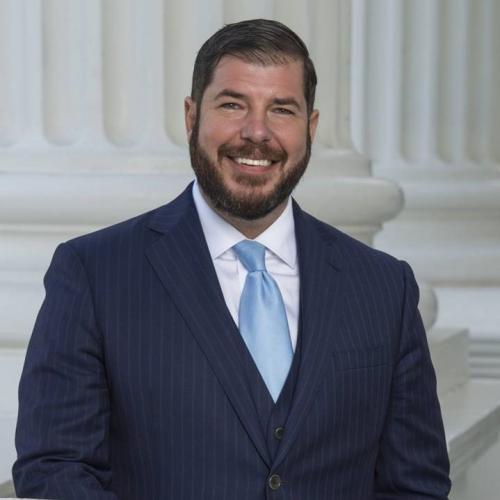
Tim Grayson
100% support rate
Top opponent
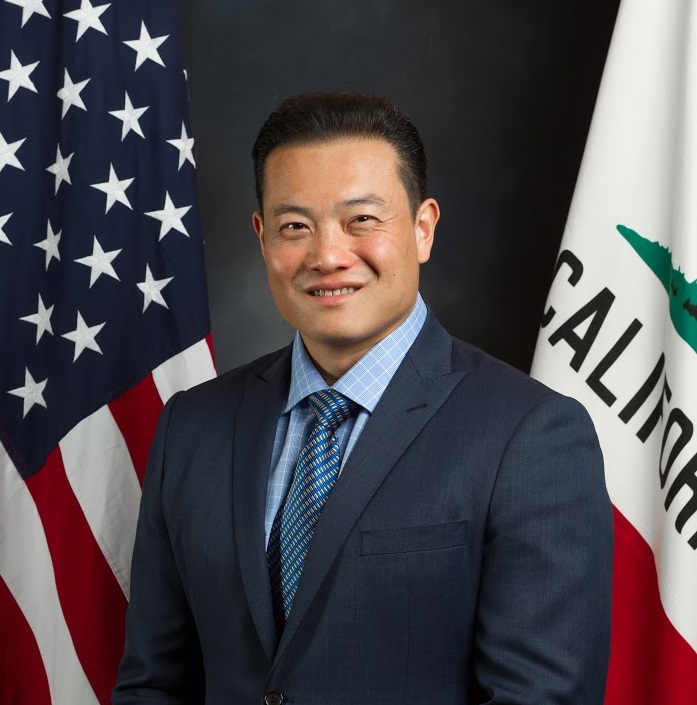
Tri Ta
0% support rate
Ranked legislators
10
5 support · 5 oppose
Key legislators

Who's moving law enforcement in California

Legislators moving law enforcement in California
Legislator Party Stance Support rate Votes
Tim Grayson
Tim Grayson Senate · District 9
D
Strong +
100% 26
Christopher Cabaldon
Christopher Cabaldon Senate · District 3
D
Strong +
100% 25
Joaquin Arambula
Joaquin Arambula House · District 31
D
Strong +
100% 24
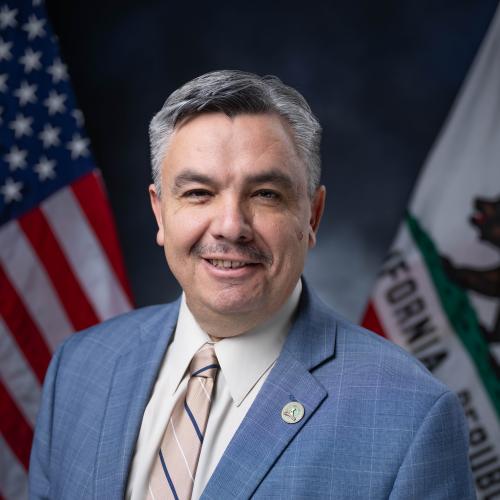
Juan Carrillo
Juan Carrillo House · District 39
D
Strong +
100% 21
ME
María Elena Durazo Senate · District 26
D
Strong +
100% 20
Tri Ta
Tri Ta House · District 70
R
Strong −
0% 27
Phillip Chen
Phillip Chen House · District 59
R
Strong −
0% 19
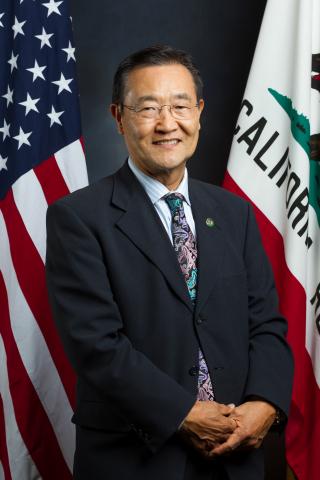
Steve Choi
Steve Choi Senate · District 37
R
Strong −
0% 19
Suzette Valladares
Suzette Valladares Senate · District 23
R
Strong −
0% 14
Megan Dahle
Megan Dahle Senate · District 1
R
Strong −
4% 25
Showing 4 of 4 bills

All criminal justice bills

in committee · California · Senate Aug 11, 2026

SR 138: Relative to the Democratic Socialists of America.

This California Senate resolution formally expresses disagreement with the policy platform of the Democratic Socialists of America, arguing that its proposals would undermine economic growth, fiscal sustainability, and public safety. The bill cites historical examples of socialist governments to support its position that expanding government control over the economy threatens individual liberty and private property rights. It further asserts that DSA advocacy for abolishing police and prisons poses risks to community safety and law and order. Finally, the resolution reaffirms the Senate's commitment to addressing housing affordability through increased supply and regulatory streamlining, while promoting effective law enforcement and free enterprise principles.
in committee · California · Assembly May 14, 2026

AB 1727: Crimes: theft of DNA.

Existing law, the Genetic Information Privacy Act, requires a direct-to-consumer genetic testing company, as defined, to provide a consumer with certain information regarding the company's policies and procedures for the collection, use, maintenance, and disclosure, as applicable, of genetic data, and to obtain a consumer's express consent for collection, use, or disclosure of the consumer's genetic data, as specified. Existing law assesses a civil penalty not to exceed $1,000 for a negligent violation of these provisions, and a civil penalty between $1,000 and $10,000, inclusive, for a willful violation of these provisions. This bill would require all local law enforcement agencies in the state to report to the Attorney General starting July 1, 2027, and annually thereafter, the number of reports filed in the past year on the theft of deoxyribonucleic acid (DNA) and the current status of those cases. The bill would require the Attorney General to, on or before January 1, 2028, report to the Legislature, and post on its internet website, the number of police reports filed on the theft of DNA and the current status of those cases. By increasing duties on local law enforcement, this bill would impose a state-mandated local program. The California Constitution requires the state to reimburse local agencies and school districts for certain costs mandated by the state. Statutory provisions establish procedures for making that reimbursement. This bill would provide that, if the Commission on State Mandates determines that the bill contains costs mandated by the state, reimbursement for those costs shall be made pursuant to the statutory provisions noted above.
signed · California · Assembly Oct 6, 2025

AB 847: Peace officers: confidentiality of records.

Existing law, the California Public Records Act, authorizes the inspection and copying of any public record except where specifically prohibited by law. Existing law, with specified exemptions, makes confidential the personnel records of peace officers and custodial officers and certain other records maintained by their employing agencies. Existing law provides that this exemption from disclosure does not apply to investigations of these officers or their employing agencies or to related proceedings conducted by a grand jury, a district attorney's office, or the Attorney General's office. This bill would additionally grant access to the confidential personnel records of peace officers and custodial officers and records maintained by their employing agencies, as specified, to civilian law enforcement oversight boards or commissions during investigations or related proceedings concerning the conduct of those officers. The bill would require those oversight boards to maintain the confidentiality of those records, and would authorize them to conduct closed sessions, as specified, to review confidential records. The bill would additionally authorize a county inspector general to access those personnel records, as specified. This bill would incorporate additional changes to Section 832.7 of the Penal Code proposed by AB 1178 and AB 1388 to be operative only if this bill and AB 1178 or AB 1388 are enacted and this bill is enacted last.
Sub-Topics Law Enforcement
signed · California · Assembly Oct 11, 2025

AB 1178: Peace officers: confidentiality of records.

Existing law, the California Public Records Act, generally requires public records to be open for inspection by the public. Existing law provides numerous exceptions to this requirement. Under existing law, the personnel records of peace officers and custodial officers are confidential and not subject to public inspection. Existing law provides certain exemptions to this confidentiality, including the reports, investigations, and findings of certain incidents involving the use of force by a peace officer. Existing law authorizes an agency to redact the records disclosed for specified purposes including, among others, to remove personal data or information, as specified, and where there is a specific, articulable, and particularized reason to believe that disclosure of the record would pose a significant danger to the physical safety of the peace officer, custodial officer, or another person. This bill would require a court in an action to compel disclosure pursuant to specified provisions, in determining whether there is a specific, articulable, and particularized reason to believe that disclosure of the record would pose a significant danger to the physical safety of a person, to consider whether a particular peace officer is currently operating undercover and their duties demand anonymity. This bill would incorporate additional changes to Section 832.7 of the Penal Code proposed by AB 847 and AB 1388, to be operative only if this bill and AB 847 or AB 1388 are enacted and this bill is enacted last.
Sub-Topics Law Enforcement