Maddy summaryThis bill amends a 19th-century law to allow state and local governments to impose taxes on cruise ships and their passengers or crew when they dock in U.S. ports. It defines a cruise ship as any vessel that stops at a U.S. port and charges a fee for lodging, such as a cabin or living quarter. The legislation also clarifies that non-federal entities have the authority to collect these specific taxes under existing constitutional provisions.
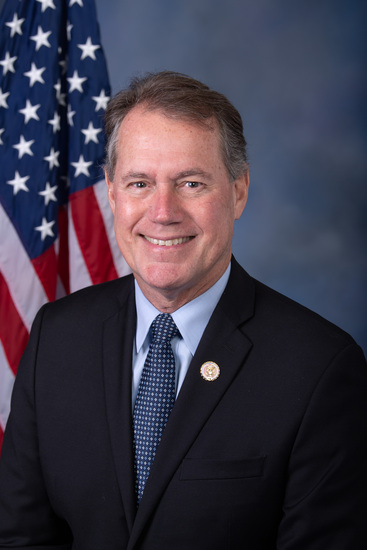
Rep. Ed Case
Sponsored bills
Maddy summaryThis resolution commemorates the 70th anniversary of the United States Forest Service Institute of Pacific Islands Forestry, which has operated since 1956 to support tropical forest research in the Pacific region. The bill recognizes the institute's work in wildfire management, invasive species control, and ecosystem conservation, highlighting its role in providing scientific data for land restoration and climate resilience. It also acknowledges the importance of the institute's location on Hawaii Island and reaffirms congressional support for its ongoing operations and dedicated staff.
Maddy summaryThe Pacific Islands Liaison Initiative Act creates a new program within the Department of Homeland Security to strengthen law enforcement ties with Pacific Island nations. This initiative will deploy U.S. personnel to Honolulu and Guam to conduct joint operations, provide training, and share resources to help local countries fight transnational crime. The program is authorized to receive $5 million annually from 2027 through 2034 and requires the agency to submit yearly reports to Congress on its activities and funding.
Maddy summaryHR 6921, the Hawai‘i National Cemetery Act, directs the Department of Veterans Affairs to establish a new national cemetery in Hawai‘i to address the lack of local burial options for veterans. It directly affects veterans and eligible family members in Hawai‘i, who currently face significant travel burdens (up to 2,500 miles) to use national cemeteries after the National Memorial Cemetery of the Pacific closes to casketed burials and cremated remains by 2036. The bill requires the VA Secretary to select a site near population centers with good transportation access, minimize environmental impact, consult Hawai‘i officials and veterans groups, and submit annual progress reports to Congress until the cemetery opens. This action aims to fulfill the VA’s goal of ensuring veterans live within 75 miles of a burial option, as required by the National Cemetery Administration’s strategic plan.
Maddy summaryThis resolution expresses support for designating June as Portuguese National Heritage Month to honor the contributions of Portuguese Americans to the United States. It highlights the community's historical impact in areas such as maritime industries, agriculture, education, and public service, while also noting their role in strengthening transatlantic relations. The measure urges Americans to observe the month with programs that celebrate Portuguese culture and heritage, particularly around the annual Dia de Portugal celebration on June 10.
Maddy summaryThis bill, the Budgeting for a Better America Act, fundamentally changes how the federal government plans its spending by shifting the congressional budget process from an annual cycle to a biennial one, covering two consecutive fiscal years. It establishes a new National Commission on Fiscal Responsibility and Reform composed of 18 members from both political parties to propose specific policies that would reduce the federal deficit to 3% of the gross domestic product within a decade. The legislation also mandates that any joint resolution implementing the commission's recommendations be given expedited floor consideration in both the House and Senate without the possibility of amendment. Additionally, the bill requires the President to submit supplemental budget estimates annually, mandates a hearing on the nation's fiscal state, and ensures new members of Congress receive budgetary training before taking their seats.
Maddy summaryThis bill creates a federal grant program to help states and tribal governments improve their licensing systems for firearms dealers. To qualify for funding, a state must have laws requiring dealers to hold licenses valid for no more than three years, complete an application process, and allow for inspections with penalties for noncompliance. The Attorney General will award up to $2.5 million per year on a competitive basis to eligible applicants who submit detailed plans for developing or improving their programs. Recipients must provide annual reports on inspection numbers, violations, and license status, while the Attorney General must report grant details and denial reasons to Congress.
Maddy summaryThis bill redesignates the existing National Parks and Public Land Legacy Restoration Fund as the America's Legacy Restoration Fund to address deferred maintenance on federal lands. It directs revenue from recreation fees and a portion of energy development income into the fund, which must be used primarily for repairing critical infrastructure like roads, trails, and buildings managed by agencies such as the National Park Service and the Forest Service. The legislation establishes strict rules requiring that most funds go toward non-transportation projects, mandates transparency through public dashboards tracking project status, and sets aside a small percentage for matching private donations. Additionally, the bill increases entrance fees for foreign visitors to ensure they contribute to the fund, while prohibiting the use of these specific funds for land acquisition or employee bonuses.
Maddy summaryThis resolution commemorates the 50th anniversary of women enrolling in the U.S. Military, Naval, Air Force, and Coast Guard Academies. It formally designates a specific day to honor the history and achievements of female cadets and graduates, noting their significant contributions to military leadership and combat roles since 1976. The text highlights specific milestones, such as women earning the Army Ranger tab and commanding aircraft carriers, while acknowledging their continued service in both uniform and civilian sectors. Ultimately, the bill serves as a symbolic gesture to recognize the progress made by women in the armed forces without altering any existing laws or policies.
Maddy summaryThe SAFEGUARD Veterans Act of 2026 strengthens protections for veterans by imposing stricter penalties on individuals who charge unauthorized fees for helping with benefits claims and requiring that only accredited representatives or those under their supervision provide such assistance. Key provisions include creating an online searchable list of recognized and suspended agents, mandating warnings on Department websites about potential predatory practices, and adding questions to claim forms to identify anyone who charged fees for coaching or filing assistance. The bill also updates federal laws to prohibit the use of automated telephone equipment for making repeated calls to federal agencies and requires the Department of Veterans Affairs to establish a more accessible digital system for recognizing representatives and processing complaints. Additionally, the Department must conduct a review of its current regulations regarding representation and report its findings to Congress within 180 days of the law's enactment.